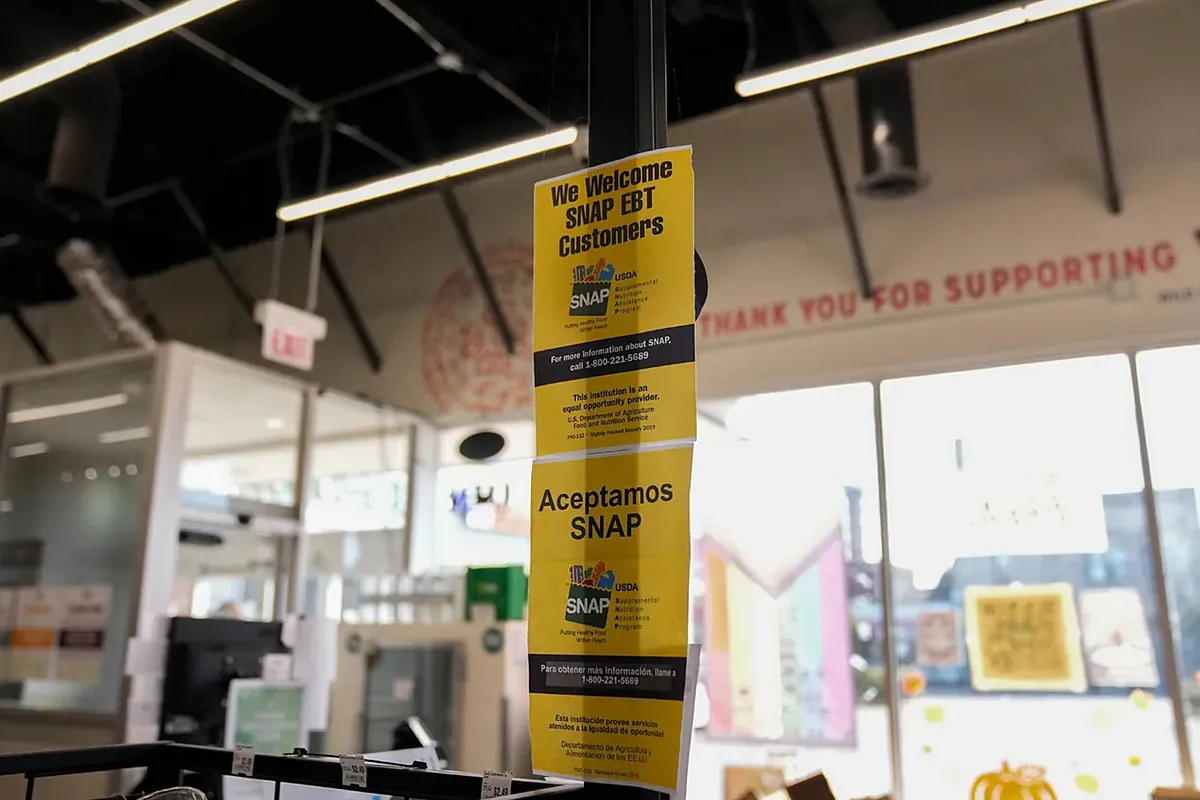
The Trump administration is advocating for a reform aimed at enhancing integrity and restoring nutritional value within the Supplemental Nutrition Assistance Program (SNAP).
Through this initiative, states are given increased flexibility in managing their programs by allowing food restriction waivers. These waivers can limit the purchase of less nutritious items, including soft drinks and candy. Implementing these waivers is crucial for ensuring that taxpayer funds are directed toward healthier food options that can promote better health outcomes.
Which states are restoring SNAP nutritional value?
Each state has its own regulations, which means that the adjustments will occur gradually between 2026 and 2028, based on each state’s decisions regarding the new measures.
Arkansas
Limits the purchase of soft drinks, beverages with less than 50% natural juice, unhealthy drinks, and sweets.
Colorado
Restricts the purchase of soft drinks.
Florida
Limits the purchase of soft drinks, energy drinks, sweets, and prepared desserts.
Hawaii
Restricts the purchase of soft drinks.
Idaho
Limits the purchase of soft drinks and sweets.
Indiana
Restricts the purchase of soft drinks and sweets.
Iowa
Limits purchases of all taxable food as defined by the Iowa Department of Revenue, with exceptions for food-producing plants and seeds.
Kansas
Restricts the purchase of sweets and soft drinks.
Louisiana
Limits the purchase of soft drinks, energy drinks, and sweets.
Missouri
Restricts the purchase of sweets, prepared desserts, and certain unhealthy drinks.
Nebraska
Limits the purchase of soft drinks and energy drinks.
Nevada
Restricts the purchase of sweets and sugary drinks.
North Dakota
Limits the purchase of soft drinks, energy drinks, and sweets.
Ohio
Restricts sugary drinks.
Oklahoma
Limits the purchase of soft drinks and sweets.
South Carolina
Restricts the purchase of sweets, energy drinks, soft drinks, and sugary beverages.
Tennessee
Limits the purchase of processed foods and drinks, including soft drinks, energy drinks, and sweets.
Texas
Restricts the purchase of sugary drinks and sweets.
Utah
Limits the purchase of soft drinks.
Virginia
Restricts the purchase of sugary drinks.
West Virginia
Limits the purchase of soft drinks.
Wyoming
Restricts sugary carbonated drinks.
Key Takeaways
- SNAP reforms aim to enhance nutritional values and limit unhealthy purchases.
- States have flexibility in implementing food restriction waivers.
- The changes will be phased in between 2026 and 2028.
- Restrictions vary by state, focusing mainly on sugary drinks and sweets.
- The goal is to ensure taxpayer money is spent on healthier options.
FAQ
What is SNAP?
The Supplemental Nutrition Assistance Program (SNAP) helps eligible low-income individuals and families access nutritious food.
How will the reforms impact SNAP beneficiaries?
The reforms will limit the purchase of less nutritious items, encouraging healthier eating habits among beneficiaries.
When will these changes take effect?
Implementation will vary by state and is expected to occur gradually from 2026 to 2028.
Are there any exceptions to the restrictions?
Each state may have specific exceptions based on local regulations, such as for food-producing plants.
In conclusion, these reforms to SNAP represent a significant step towards promoting better health through improved nutritional values. As states implement these changes, the focus will remain on ensuring that beneficiaries are supported in making healthier food choices.