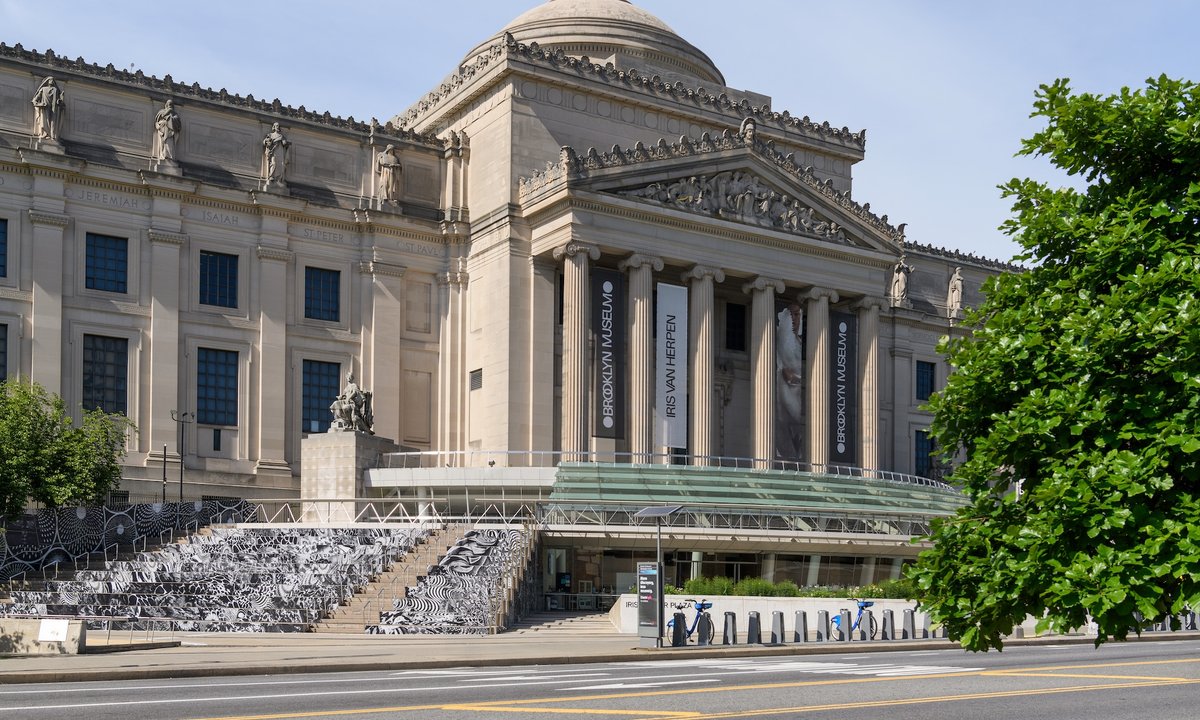
The Brooklyn Museum is set to undergo a $48 million renovation aimed at enhancing energy efficiency and reducing fossil fuel reliance. This initiative, the most extensive energy project the museum has taken on, was announced in collaboration with the New York Power Authority and the Department of Citywide Administrative Services (DCAS). Completion is expected by mid-2027.
The “Deep Energy Retrofit” program will incorporate various upgrades, including solar panels, a modern management system, and a new heating and cooling framework, replacing the old steam-generation plant with a high-efficiency hot-water system. Deputy Director Hardat Raywat remarked on the project’s potential to lower carbon emissions by about 57%, equivalent to removing 725 cars from the road annually.
DCAS’s initiatives, part of the 2019 Climate Mobilisation Act, aim for net-zero emissions by 2050, with a 50% cut in greenhouse gases by 2030. Brian Chang from DCAS noted that a significant portion of city emissions originates from building operations. Therefore, efforts like the Brooklyn Museum’s project may serve as a model for transforming other cultural institutions.
With the Brooklyn Museum among the 39 organizations in the Cultural Institutions Group (CIG), the city provides them with support for capital and operations. Recent similar projects include a $7 million initiative at the Fashion Institute of Technology, targeting energy-efficient systems, and multiple upgrades at the Metropolitan Museum of Art.
Institutions like the Museum of the Moving Image have also benefited from energy improvements, replacing outdated systems with more efficient technology. The increased visits to such cultural spaces highlight the urgency for sustainable operations.
While projects like the Brooklyn Museum’s renovation represent substantial investments in energy efficiency, securing funding can be challenging for smaller organizations. Programs from entities like Bloomberg Philanthropies aim to provide resources for conducting energy-efficient upgrades. However, a need for integrated climate adaptation into institutions’ long-term planning remains paramount. Ultimately, modernizing infrastructure to support collections is as critical as the preservation of the artworks themselves.


