Take-Two Interactive is setting the stage for what many believe will be the most anticipated game release of the year, Grand Theft Auto VI. While the publisher boasts a portfolio of notable franchises, including NBA 2K, WWE 2K, and Borderlands, the expansive world of GTA is unparalleled.
According to CEO Strauss Zelnick, the idea that generative AI could match the creativity of a game like GTA is “laughable.”
Creating Assets but Not Hits
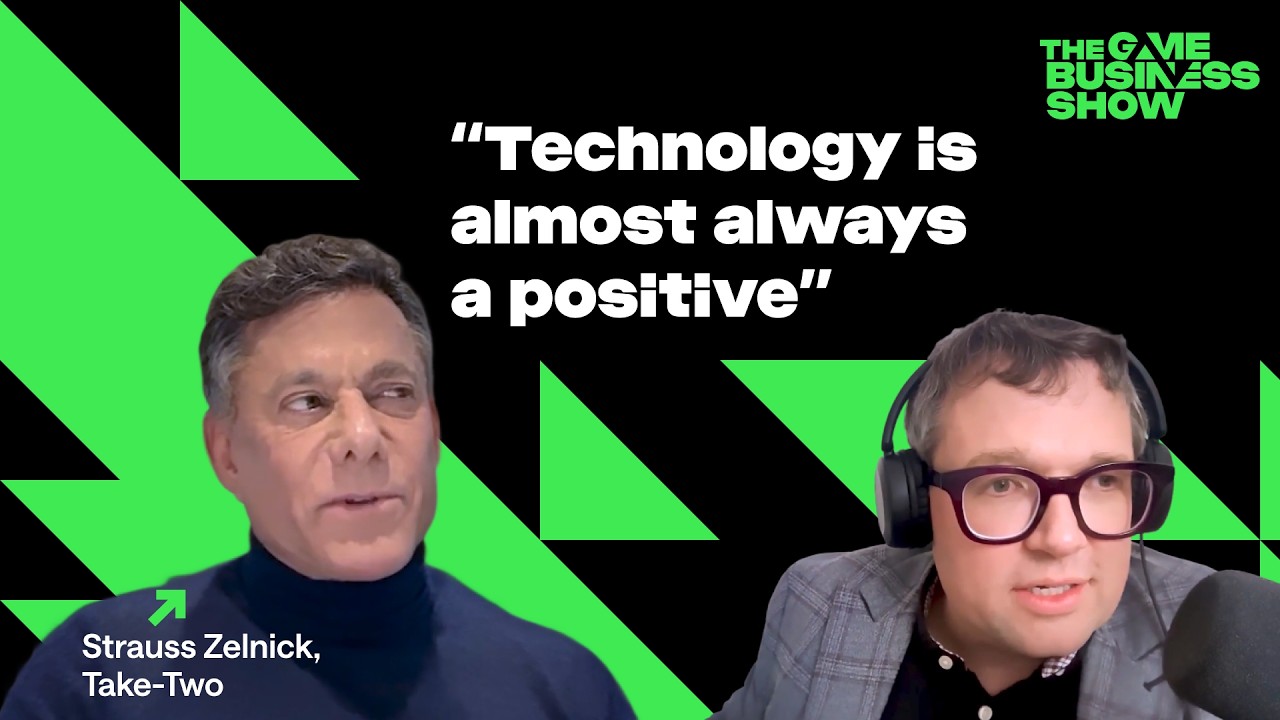
In a recent in-depth interview with The Game Business Show, Zelnick explored a variety of topics surrounding AI’s application in video game creation.
Article continues below
The recent introduction of Google Labs’ Project Genie—a tool capable of generating interactive worlds from simple text and image prompts—has caused a dip in stock prices for major gaming companies like Take-Two. Investors appear concerned that AI applications could lead to quicker production times for AAA titles, diluting the market.
Zelnick expressed little concern about Project Genie or similar AI tools, asserting, “These tools may help you create assets, but that won’t help you create hits. Whether you generate an asset in seconds or take six weeks, at the end of the day, you still have just an asset. Thousands of mobile games are released annually, yet only a few achieve success.”
While acknowledging that AI can assist developers in crafting unique gaming experiences, Zelnick contended that no technology could replicate the extraordinary level of human creativity involved in quality entertainment. “The notion that someone could simply push a button to generate a hit and deliver it to millions globally is utterly laughable,” he elaborated. “Entertainment has never operated like that.”
When asked if Project Genie could empower everyday AI creators to produce work comparable to Rockstar Studios’ expansive titles, Zelnick admitted that while AI may generate assets resembling NBA 2K or EA Sports FC, mega franchises require “human engagement and human creativity.”
DLSS 5 Backlash
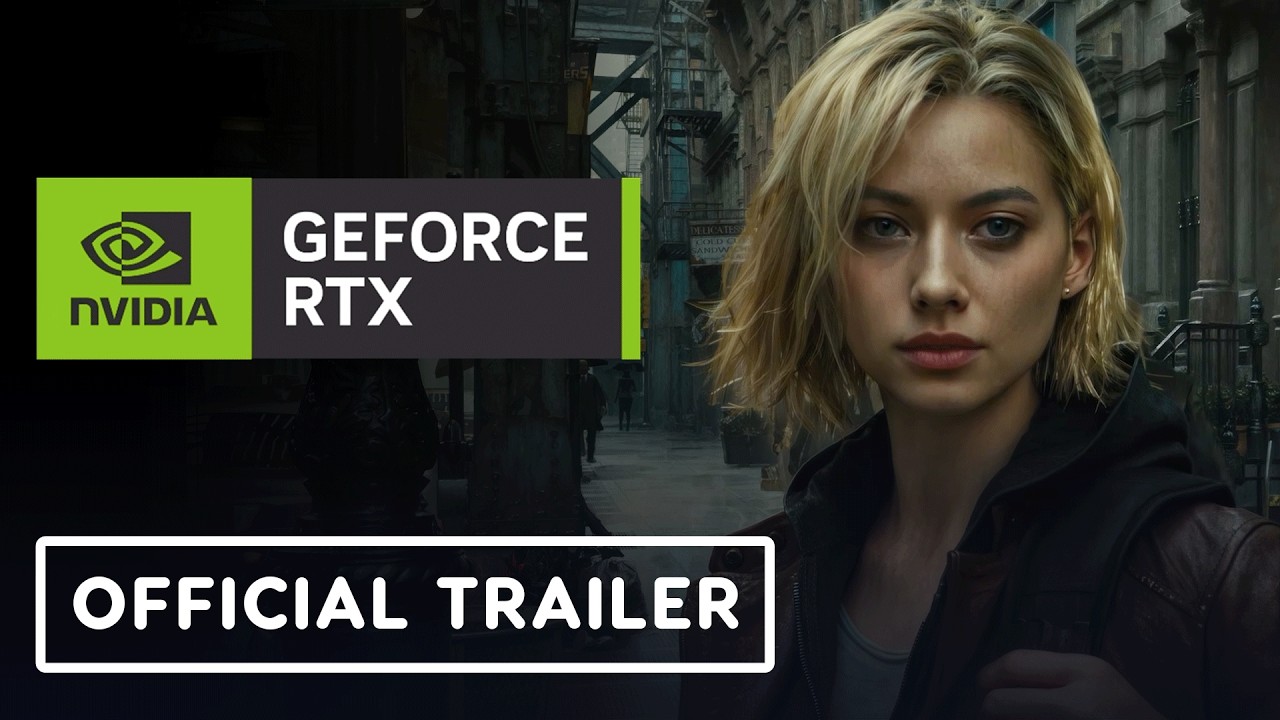
In discussing AI’s ongoing role in video game development, Nvidia has faced some backlash regarding the new AI software aimed at enhancing the visual quality of characters and environments. During a Q&A session with CEO Jensen Huang at this year’s GTC conference, Huang downplayed the negative reactions from gamers unhappy with how DLSS 5 affects their favorite games’ visual fidelity.
In response to gamer criticism, Huang stated, “They’re completely wrong. The reason is that, as I have explained, DLSS 5 merges control over geometry and textures with generative AI.”
AI in Video Games: Outlook
Zelnick firmly believes that the contribution of human creators in game development far outweighs that of generative AI. The consensus among gamers seems to align with this viewpoint. While prominent gaming companies like Ubisoft, Electronic Arts, and Square Enix are integrating AI into their development processes, human creativity and expertise remain essential in crafting AAA titles.
Zelnick’s comments affirm that at Take-Two, the significance of skilled human developers in producing major franchises like GTA is still highly regarded, irrespective of advancements in AI technology.

Follow Tom’s Guide on Google News and add us as a preferred source to receive our latest news, insights, and reviews right in your feeds.
More from Tom’s Guide

Back to MacBook