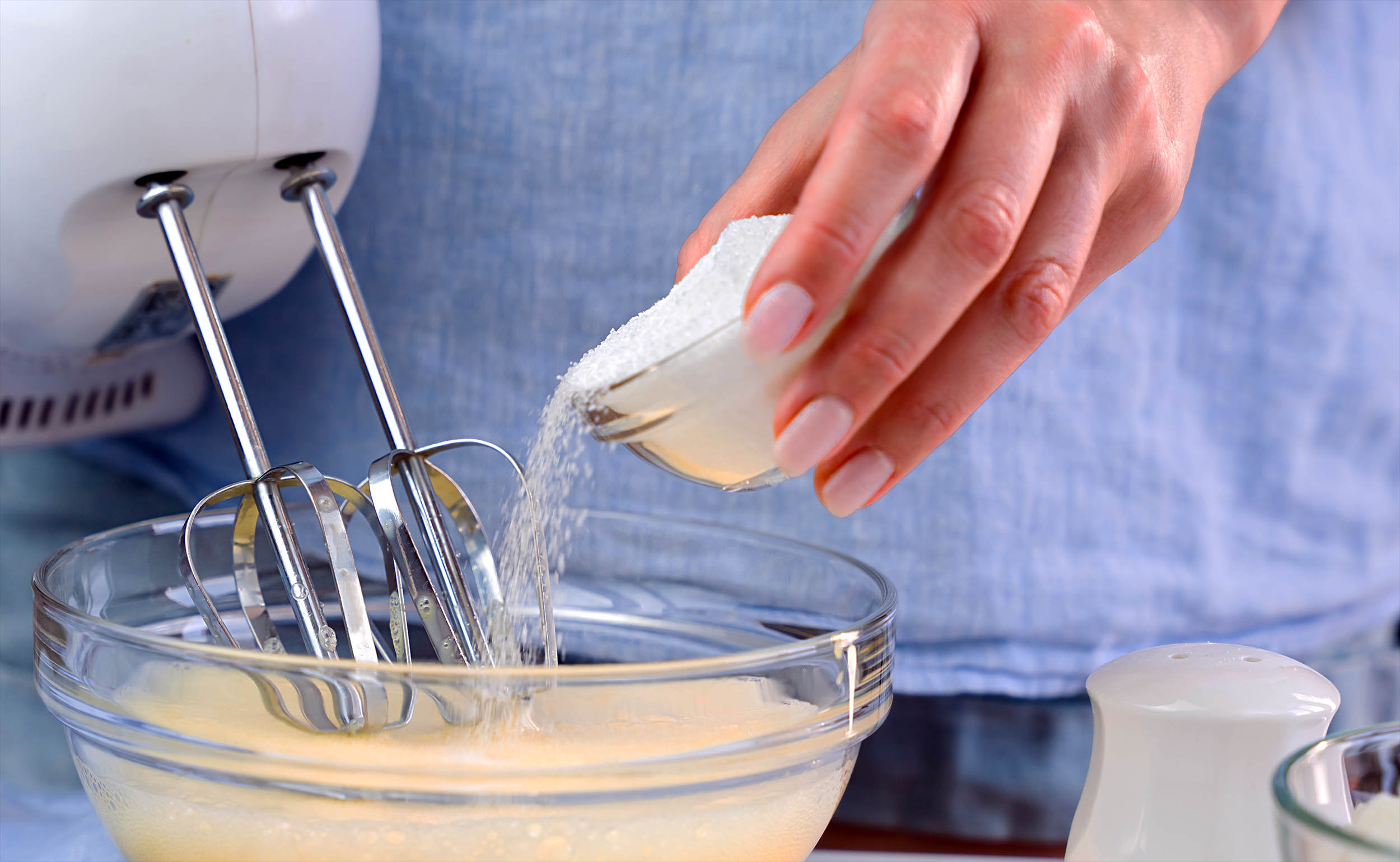
Recent research has revealed that the consumption of artificial sweeteners does not correlate with an increased risk of several significant cancers. This finding addresses fears that have persisted for years while raising further questions about the limits of current evidence.
Links Between Artificial Sweeteners and Cancer

The conclusion draws on evidence pooled from six meta-analyses, featuring data from tens of thousands to millions of participants. Ehsan Amini-Salehi, a physician-researcher at Guilan University of Medical Sciences, meticulously reviewed these studies, finding risk estimates that consistently lingered around neutral levels. This neutrality spanned various cancers, including breast, pancreatic, stomach, and bladder cancer, suggesting no significant increases in risk based on the available data.
However, the consistency of these findings is somewhat compromised by varying quality in the underlying studies, urging caution before making definitive judgments.
Where One Signal Appeared
There was one noteworthy finding: a slight reduction in the risk of colon and rectal cancer was observed among those with low artificial sweetener intake. This correlation indicated that individuals consuming minimal amounts of sweeteners were marginally less likely to develop these cancers than non-consumers. Yet, when a few influential studies were excluded, this protective trend vanished, underscoring the importance of not misinterpreting fragile signals as concrete evidence.
No such protective benefit was observed for moderate and high intake levels, causing the initial exciting figure to fade into unreliability.
Why Certainty Stays Low
The low certainty permeating this research stems from the inconsistent methodologies used in earlier studies to assess sweetener consumption. Some studies grouped all artificial sweeteners together, while others focused solely on diet soft drinks, creating deceptive similarities between different exposures. This review also highlighted considerable variability in outcomes among studies, particularly concerning bladder cancer.
When initial studies do not align, a collective answer may appear robust, but it may actually rest on shaky ground.
Counting All Sweeteners
Aggregating all sweeteners may obscure effects attributable to a specific ingredient. A French cohort study involving 102,865 adults found that higher overall sweetener intake, particularly of aspartame and acesulfame-K, was linked to a marginally increased cancer risk. This earlier finding diverges from the current pooled results, indicating that the type of sweetener, dietary habits, or the design of the study can significantly influence outcomes. Readers should critically evaluate headlines about artificial sweeteners to determine whether they refer to a specific compound or encompass a broader category.
How Labels Can Mislead
In stores, the term “sugar-free” often implies substitution rather than the complete absence of highly sweet additives in a product’s ingredient list. The Food and Drug Administration permits several of these additives in items marketed as sugar-free or diet. Because these substances can be significantly sweeter than sugar, manufacturers use only small quantities to maintain a sweet flavor. While this marketing language provides insight into sugar content, it offers little clarity regarding long-term cancer implications.
Why Bodies Muddy Links
Weight and metabolic health complicate these studies, as many individuals turn to diet products only after health problems surface. This creates a misleading reverse causality, where illness influences behavior rather than the other way around. Obesity can elevate insulin levels and chronic inflammation, which may harm tissue over time, suggesting that sweetener users might already face heightened risk. Consequently, weak associations can persist for years without establishing a causal link between sweeteners and health issues.
What Regulators Still Say
Regulatory agencies continue to classify most approved sweeteners as safe for consumption, albeit with continued scrutiny on one ingredient in particular. In 2023, the World Health Organization labeled aspartame as potentially carcinogenic to humans, yet the guidelines for its intake remained unchanged. This discrepancy arises because one group assessed the possibility of a hazard, while another evaluated the actual risk at typical consumption levels. Consumers receive mixed messages, which likely contributes to fluctuating public confidence even amidst null cancer findings.
How History Shaped Fear
Long before this review, early animal research associated certain artificial sweeteners with bladder tumors, cementing public anxiety around their use. Subsequent human studies failed to establish a clear increase in bladder cancer risk associated with sweetener consumption. The lingering impact of this historical alarm remains palpable, as early warnings often echo louder than newer findings.
Artificial Sweeteners and Future Cancer Study
Future investigations will need more precise exposure assessments, longer follow-up periods, and clearer differentiation between distinct sweeteners and multi-ingredient products. It is also essential to study more diverse populations, as the current data heavily reflects a limited set of regions. An ideal approach would involve tracking individuals’ actual consumption patterns over time rather than relying on retrospective recollections. Until such studies are conducted, the lingering question remains: does any individual sweetener carry its own unique cancer risk?
The latest evidence clearly indicates that the sweeping assertion that artificial sweeteners elevate major cancer risk lacks a solid foundation. However, the same research warns that the interconnectedness of weak studies, varied exposures, and unresolved confounding variables continue to obscure a definitive conclusion.
The findings are published in the European Journal of Medical Research.
—–
If you found this informative, consider subscribing to our newsletter for more engaging articles, exclusive content, and the latest updates.
Connect with us on EarthSnap, a free app developed by Eric Ralls and Earth.com.
—–