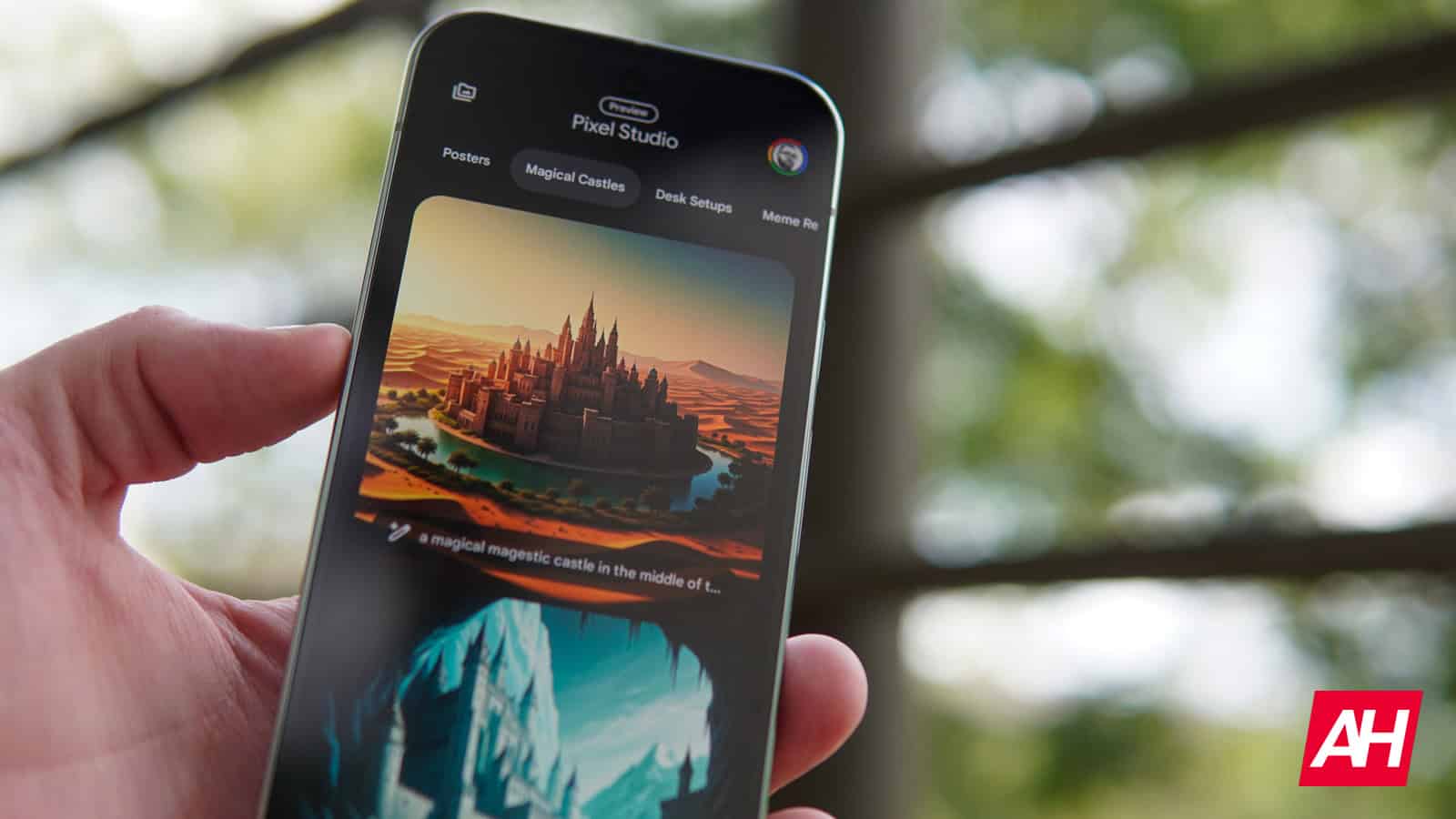
The recent developments in Google’s Pixel Studio mark a significant shift in the app landscape for Pixel phone users. Initially launched with the Pixel 9 series alongside various other applications such as Screenshots and Weather, Pixel Studio allowed users to create images from prompts and personalize them with stickers and captions. However, as time has progressed, newer image generation features and integrations have emerged, leading to the reported discontinuation of some key functionalities within Pixel Studio.
Generative AI Features in Google Pixel Studio are Being Phased Out
According to a report by 9to5Google, the process of winding down begins this week with an update to the Pixel Studio (version number 2.2.001.864530193.00) for the Pixel 9 and Pixel 10 series. The latest version of the image editor no longer includes generative AI tools that previously allowed users to edit images via prompts, create stickers, or erase sections of their images.
Currently, the app features limited functions such as cropping, drawing, highlighting, and adding text. This specific image editor, which replaced Markup last year, retains those editing features, but the prompt-based image generation and sticker creation capabilities will be phased out shortly.

Transitioning Users to Nano Banana in Gemini
Google is reportedly guiding Pixel Studio users towards Nano Banana in the Gemini app. An easy export tool will be available for users to transfer their creations seamlessly. The company has indicated that this transition will occur gradually. In the interim, all integrations powered by Pixel Studio will remain functional for existing devices.
Shifting its focus towards enhanced image generation features, Google is prioritizing tools like Remix in Google Messages and generative capabilities in Google Photos. Notably, the company recently launched Nano Banana 2 for the Gemini app, which includes significant upgrades such as subject consistency for up to five characters and support for 4K resolution.