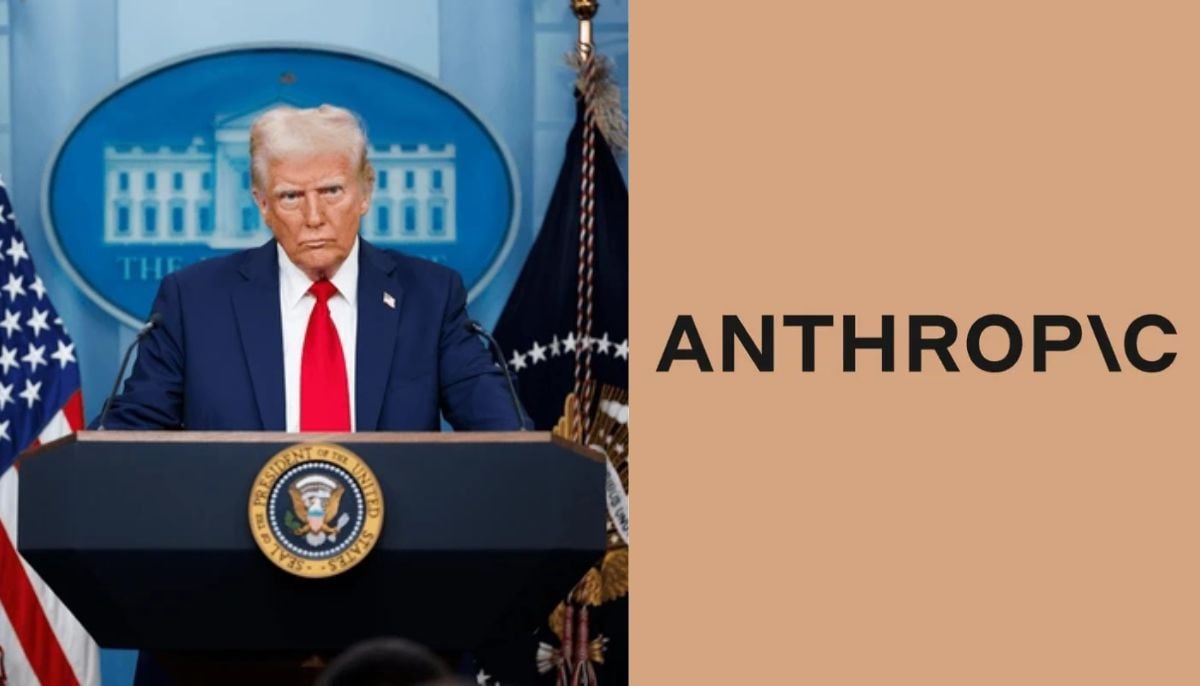
The recent actions taken by US President Donald Trump regarding the use of Anthropic AI tools have stirred significant controversy. By ordering federal agencies to halt their collaboration with this artificial intelligence company, Trump has ignited a debate over the role of AI in military operations. Let’s delve into the reasons behind this ban and its implications for the future.
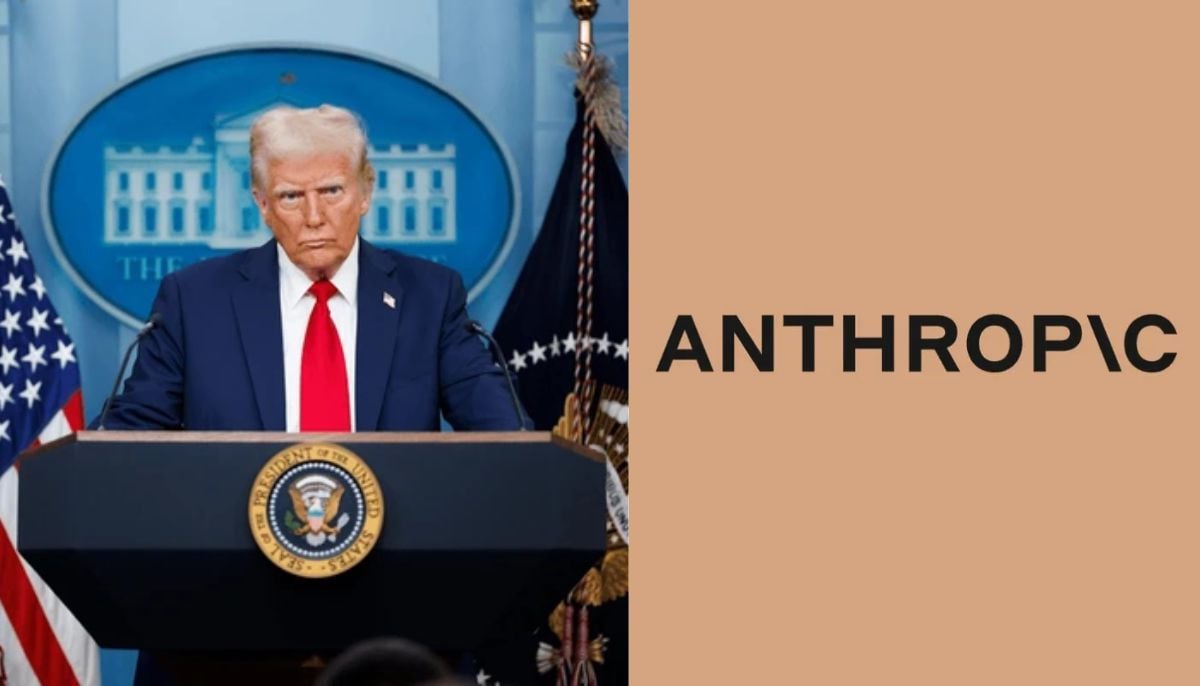
On a Friday announcement, Trump declared a six-month phase-out for federal agencies’ use of Anthropic AI tools, thus intensifying ongoing tensions between the Pentagon and the company regarding AI’s military applications.
Why Did the Trump Administration Ban Anthropic AI?
In a post on Truth Social, Trump criticized the company, alleging it was attempting to exert undue pressure on the Department of Defense. This sparked a response from the Department of Defense, with Secretary Pete Hegseth noting that Anthropic posed a supply chain risk, subsequently barring the military and its contractors from collaborating with the firm.
The Pentagon had sought to amend its contract with Anthropic to allow for all lawful uses of artificial intelligence, a proposal that drew objections from the company. They warned that the changes could potentially allow for the development of fully autonomous lethal weapons or mass surveillance technologies. Anthropic has consistently denied any interference with military operations and insists on its commitment to facilitating responsible defense applications.
Last year, Anthropic secured a $200 million contract with the Pentagon to provide specialized AI models known as Claude Gov, which assist in various military tasks such as report generation, intelligence assessments, and operational planning.
CEO Dario Amodei has emphasized the importance of AI safety, stating, “These weapons also have legitimate uses in the defense of democracy. But they are a dangerous weapon to wield.”
Public reactions to Trump’s remarks suggest that many view the contention over AI policy as largely political rather than practical, raising questions about the intersection of technology and governance in contemporary military strategy.
In conclusion, the suspension of federal agencies’ use of Anthropic AI tools illustrates the ongoing complexities and challenges associated with integrating AI into military operations. As this debate unfolds, it will be crucial to navigate both the technological advancements and the ethical implications involved in utilizing artificial intelligence in defense contexts.