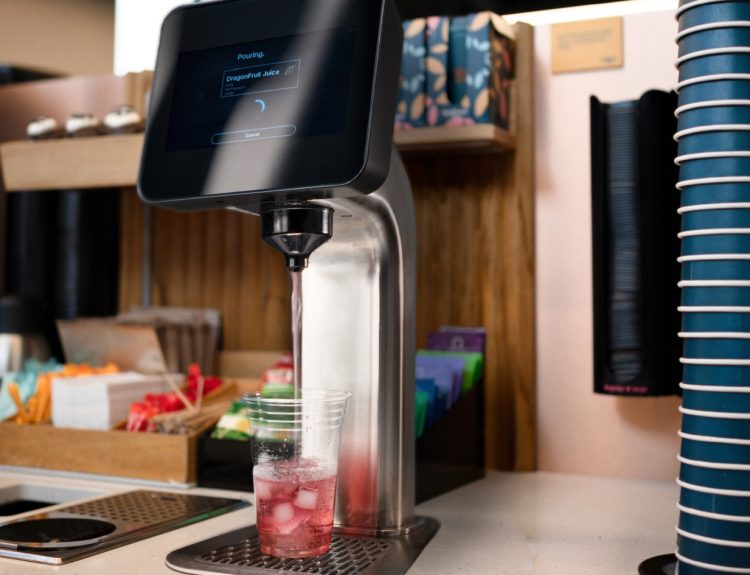
The love for sweetened beverages is deeply rooted in Thai culture, with many people enjoying iced coffee or tea that rivals desserts in sweetness. In light of growing health concerns, the Thai government is stepping in to promote healthier choices.
Government Initiative Aims to Reduce Sugar Consumption
Beginning Wednesday, nine major coffee chains across Thailand have committed to reducing the default sugar content in select beverages by half. This new initiative is part of an effort to address the rising levels of sugar consumption among the population.
Health Concerns Over Excessive Sugar Intake
According to the Health Department, the average Thai consumes about 21 teaspoons of sugar each day, which is over three times the World Health Organization’s recommended daily limit of six teaspoons. High sugar intake has been linked to various health issues, including obesity and diabetes.
The Impact of the Initiative
Amporn Benjaponpitak, the director general of the Health Department, noted that this initiative represents a pivotal change in consumer behavior regarding sugar consumption. Pakorn Tungkasereerak, the department’s deputy, highlighted troubling statistics from 2025, revealing that roughly 45% of Thais aged 15 and older are classified as obese, while around 10% of the population has diabetes.
Sugar Content in Popular Beverages
A survey from the Bureau of Nutrition indicated that a 22-ounce (650-milliliter) iced coffee typically contains an average of nine teaspoons of sugar. Meanwhile, a 10-ounce (300-milliliter) serving of bubble milk tea, which includes tapioca pearls, can hold up to 12 teaspoons of sugar.
Public Reception of the Changes
Many individuals are welcoming the changes. Sirinya Kuiklang, an office worker, stated that she supports the initiative and often orders her drinks with just 25% of the standard sugar level, recognizing that others may need to cut back as well.
Another office worker, Porwares Tantikanpanit, who enjoys his non-coffee drinks at their current sweetness, expressed readiness to adapt depending on how shops adjust their offerings.
Challenges Ahead
Implementing this policy may not be straightforward. Officials have mentioned that each brand has the flexibility to adopt the initiative in their own manner. Customers have shown some confusion on social media, seeking clarity on how to order their preferred sweetness levels. Certain brands have communicated that the sugar reduction applies only to specific menu items.
Key Takeaways
- The Thai government is targeting high sugar consumption with new initiatives.
- Nine major coffee chains will reduce sugar content in select drinks by half.
- Thais consume an average of 21 teaspoons of sugar daily, significantly above recommended limits.
- Statistics indicate a rising obesity and diabetes rate among the Thai population.
- Public response to the initiative is generally positive, though some confusion remains.
FAQ
What is the goal of the sugar reduction initiative in Thailand?
The initiative aims to lower the default sugar content in beverages to promote healthier consumption habits among the Thai population.
How much sugar do Thais typically consume daily?
The average sugar intake for Thais is about 21 teaspoons per day, which exceeds the World Health Organization’s recommended limit.
What types of beverages will see sugar reductions?
Specific drinks from nine major coffee chains will have their sugar content reduced, but the exact items may vary by brand.
Are customers supportive of the initiative?
Many customers have expressed approval of the changes, with some already adjusting their sugar preferences.
Will all coffee chain beverages be affected by the sugar reduction?
No, the reduction in sugar applies only to certain menu items as determined by each coffee chain.
As Thailand embarks on this journey towards healthier beverage choices, it represents both a cultural shift and an opportunity for consumers to make more informed decisions about their sugar intake.