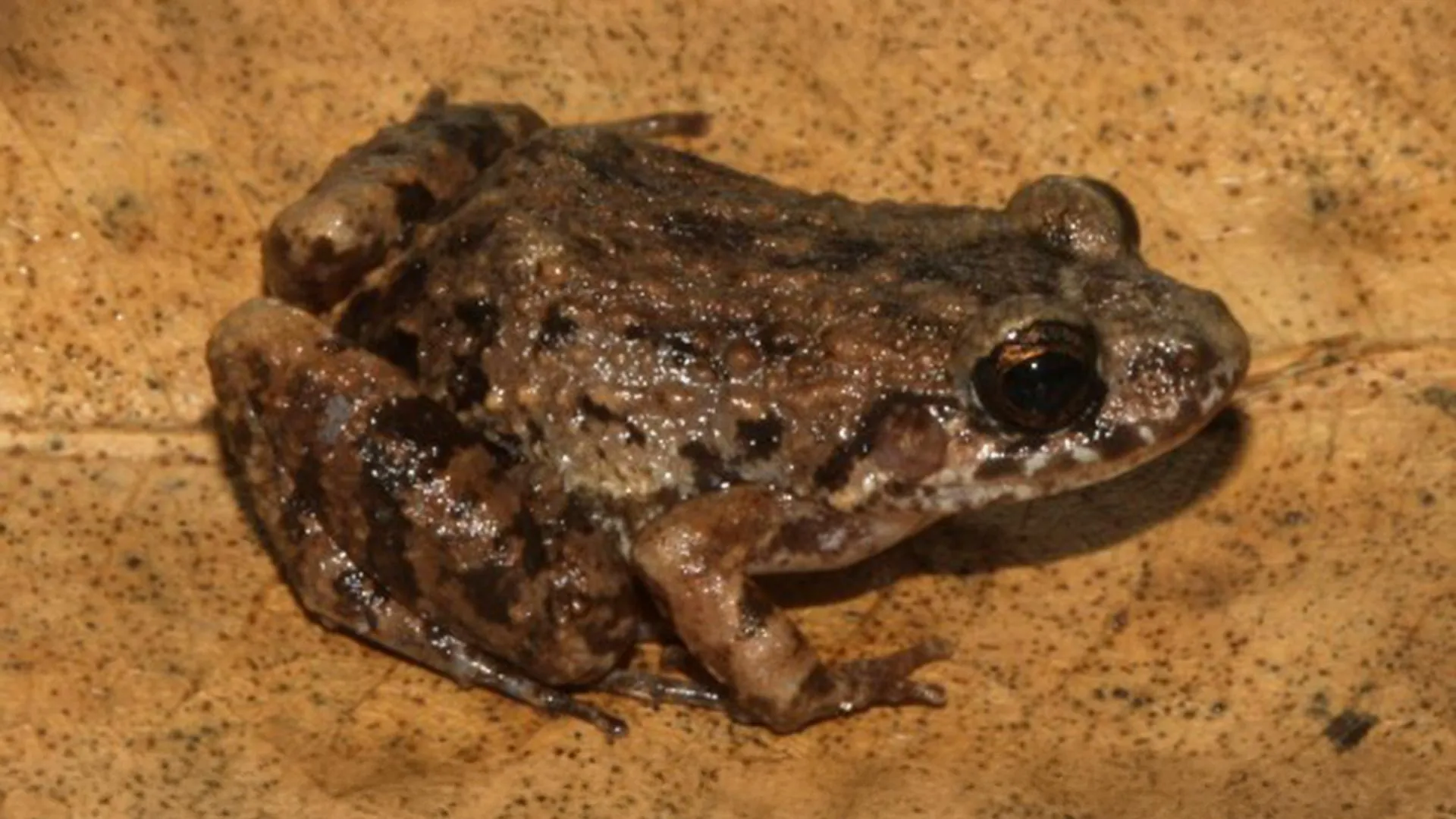
Discovery of a New Frog Species in the Amazon
Scientists have recently identified a new frog species, Adenomera varcena, inhabiting the seasonally flooded forests of the western Amazon. This discovery underscores the rich biodiversity of the Amazon, suggesting that many more species are yet to be uncovered.
Significance of Cryptic Diversity
The finding emphasizes cryptic diversity, where animals look similar but belong to different species. The research team utilized various methods, including DNA analysis and the frog’s unique mating call, to identify this new species.
Research Team and Publication
The findings, published in the journal Ichthyology & Herpetology, feature contributions from researchers like Célio F. B. Haddad from São Paulo State University and Thiago R. Carvalho from the Federal University of Minas Gerais. Both are part of the Center for Research on Biodiversity Dynamics and Climate Change (CBioClima), supported by FAPESP.
Habitat Discovery
The new species was discovered during field expeditions in the Upper Juruá River region near Cruzeiro do Sul, Brazil. Adenomera varcena was found in floodplain forests—typically not associated with this genus, which is more common in dryland forests. This highlights a new habitat affinity for the genus.
Unique Characteristics
Despite its resemblance to related frogs, Adenomera varcena exhibits unique physical and acoustic traits, including:
- Physical: No dark spot on its forearm’s underside.
- Acoustic: A distinctive mating call with slow rhythms.
Impacts of Climate Change
The ecological and life history requirements of Adenomera varcena remain largely unknown, complicating predictions regarding climate change effects. Changes in seasonal flooding could influence reproductive behaviors, raising concerns about the species’ long-term survival as habitats are altered.
Urgent Need for Biodiversity Documentation
Haddad notes the urgency of cataloging Brazil’s biodiversity, as ecosystem destruction often outpaces taxonomic studies. Unidentified species may be absent from conservation efforts, increasing their risk of extinction. Formally recognizing new species plays a critical role in conservation and environmental policy.
Collaborative Research Efforts
The study was a collaborative effort involving institutions such as UFMG, UNESP, the University of São Paulo, the Federal University of Uberlândia, and the University of Ecuador (PUCE-Quito).
Conclusion
The identification of Adenomera varcena not only enriches our understanding of Neotropical amphibians but also reinforces the importance of taxonomic research for conservation strategies in the face of environmental challenges.


