Alaska’s Energy Future: Does the State Need a Mega-Dam?
Introduction
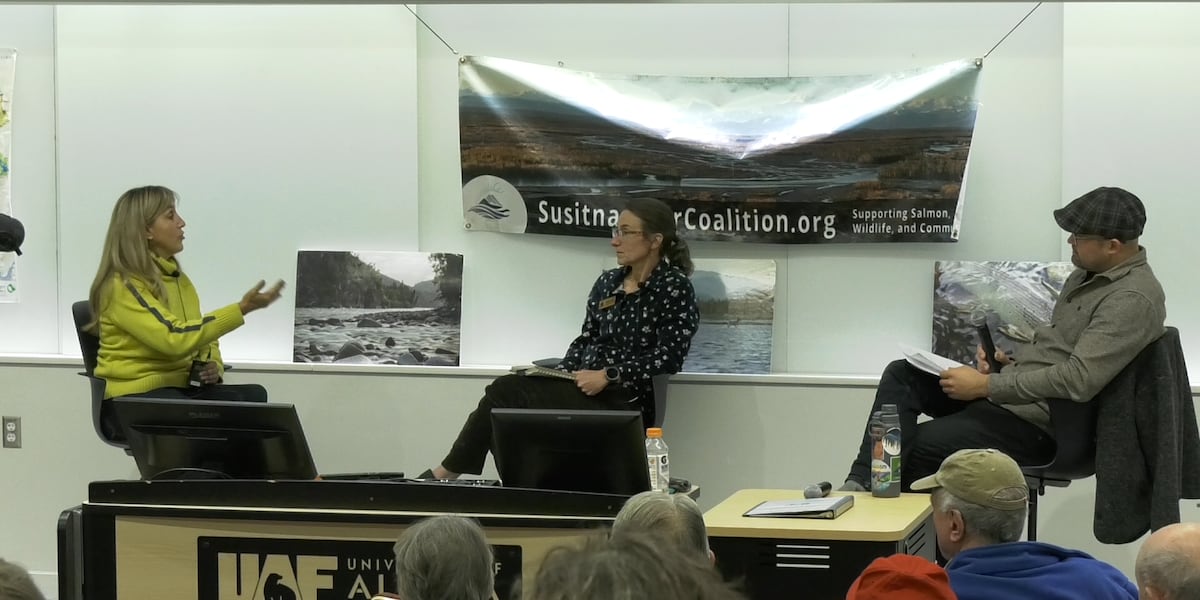
As energy costs in Alaska continue to rise, a panel of experts at the University of Alaska Fairbanks discussed the long-debated question of whether Alaska needs a mega-dam, specifically the proposed Susitna-Watana project.
Background on the Susitna-Watana Project
Originally proposed decades ago, the Susitna-Watana mega-dam project stalled but is now undergoing a new licensing process. The panel, moderated by Melis Coady of the Susitna River Coalition, examined the project’s potential impacts on energy needs, the environment, and the local economy.
Key Concerns
While there is growing concern among residents, particularly from the Susitna River Coalition, regarding the environmental effects on salmon and the surrounding community near Talkeetna, panel experts emphasized the urgency of addressing Alaska’s energy crisis.
Expert Insights
- Philip Wight, an associate professor at UAF, noted, “We are in an energy crisis right now.”
- Gwen Holdmann from the Alaska Center for Energy and Power advocated for a reduced dependence on outside energy, stressing the importance of relying on local energy sources.
Both Wight and Holdmann highlighted the need for further studies and community discussions to inform future energy decisions.
Railbelt Utility Perspectives
In addition to expert opinions, power providers on the Railbelt, such as the Golden Valley Electric Association, are exploring hydropower options to mitigate price fluctuations caused by fuel shortages. Director Ashley Bradish referenced the Bradley Lake Hydroelectric Project as a successful example, underscoring the potential benefits of reliable homegrown energy sources.
Conclusion
As Alaska navigates its energy challenges, the discussion surrounding the Susitna-Watana mega-dam continues, with open dialogue and comprehensive studies essential for determining the best path forward for the state’s energy future.
Copyright 2026 KTUU. All rights reserved.


