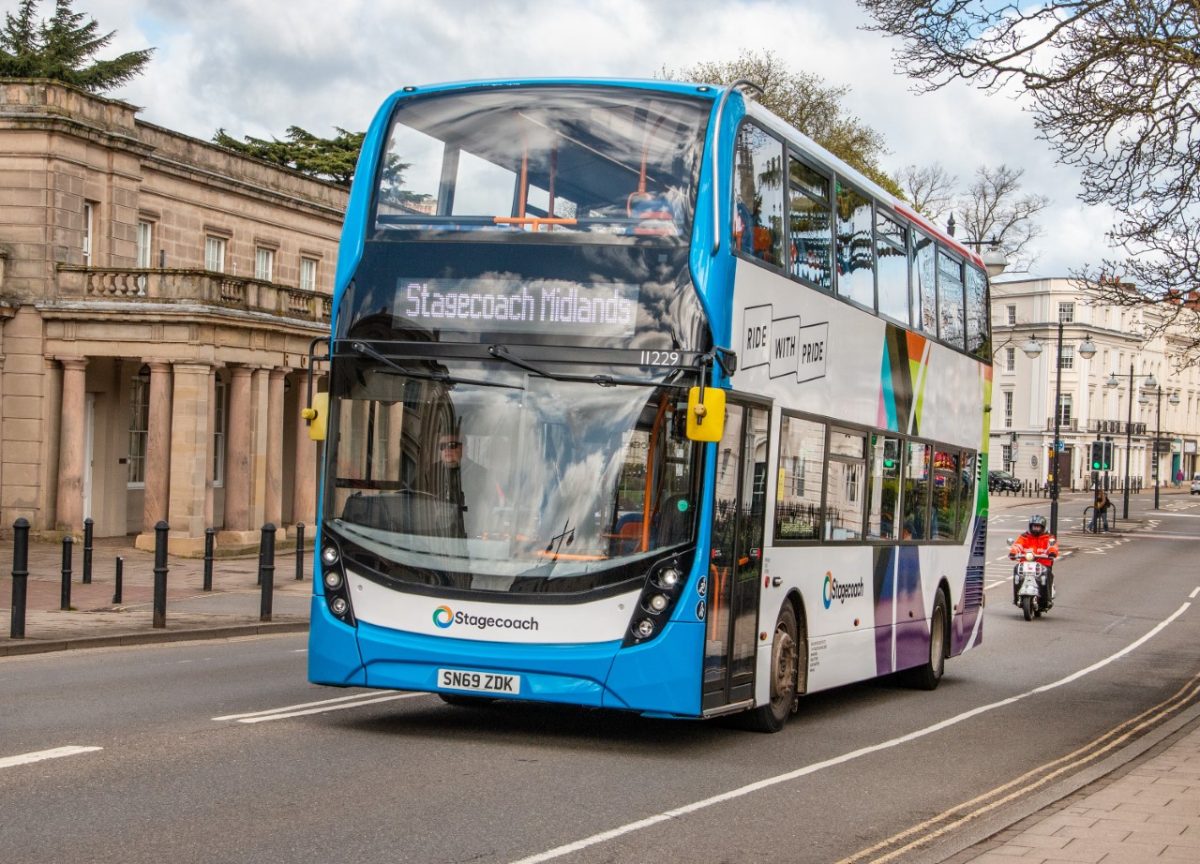
Families Can Enjoy Free Bus Travel This Summer
Families looking to explore museums, beaches, and national parks can take advantage of free bus travel for children under 16 in England until the end of August. This initiative is part of the government’s Great British Summer Savings scheme, aimed at easing the financial burden during the school holidays.
Key Highlights:
- Free Travel: Children aged 5 to 15 can ride most local buses for free, helping families save on transportation costs.
- Discounts on Dining and Entertainment: The scheme also includes reduced prices on children’s meals at restaurants, cinema tickets, and attractions like theme parks and adventure centers.
- Capped Bus Fares: Starting January, bus fares will be capped at £2, benefiting all passengers and further aiding in the cost-of-living crisis.
Expert Opinions:
Transport Secretary Heidi Alexander emphasized the initiative’s goal to ease financial pressures on families, encouraging quality time together during the holidays. Rob Parkinson from the Family Holiday Charity highlighted how affordable travel can enhance family experiences and create lasting memories.
Tools for Families:
To assist families in finding discounts, the government has created an interactive tool that allows users to search for the best deals based on their postcode. This tool will help families navigate the myriad of offers available, ensuring a memorable summer experience.
Final Thoughts:
This summer, families can explore England’s attractions more affordably, from beautiful coastlines to bustling city spots. With free bus travel and other discounts, it’s an excellent opportunity for outdoor adventures and family bonding.