Colorado’s initiative to prevent food-assistance recipients from purchasing soft drinks with their benefits is facing challenges. Recently, a board essential to finalizing the plan expressed hesitations, while public feedback largely opposed the idea.
Overview of the Proposal
The Colorado Healthy Choice Waiver aims to restrict certain beverages eligible for purchase with federal Supplemental Nutrition Assistance Program (SNAP) funds, set to begin on April 30.
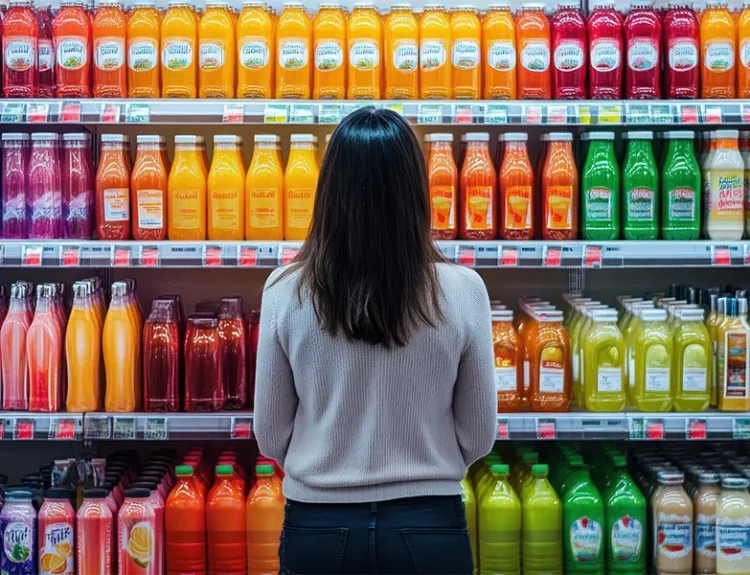
According to the state’s proposal, individuals purchasing groceries in Colorado would not be allowed to use SNAP benefits to buy drinks containing sugar or artificial sweeteners, with exceptions made for products that contain milk, a milk substitute, or at least 50% fruit or vegetable juice.
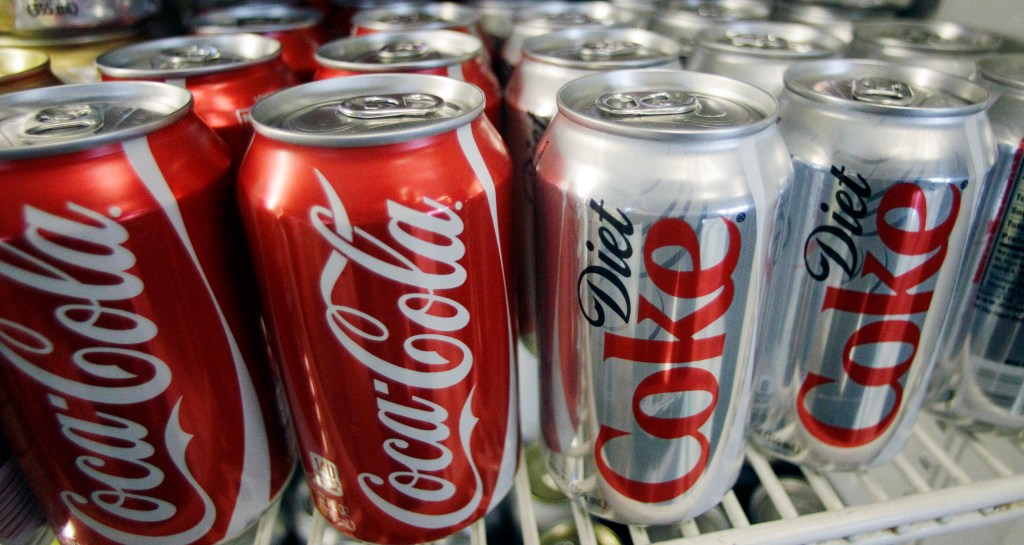
Items like chocolate milk, unsweetened seltzers, bottled coffee drinks containing milk, and juices with minor sugar or sweetener ingredients would still qualify for SNAP. In contrast, sweetened coffee drinks without dairy and fruit beverages with minimal juice, along with all sodas—including diet and sugar-free varieties—would be prohibited.
It’s important to note that this regulation would exclusively pertain to SNAP-covered foods, meaning recipients could still purchase those beverages separately if they have additional funds.
Support for the Initiative
Governor Jared Polis has prioritized eliminating SNAP funding for soft drinks for several years, echoing the sentiments of Health and Human Services Secretary Robert F. Kennedy Jr.’s “Make America Healthy Again” initiative, which opposes added sugars.
However, the policy must be reviewed and voted on by the State Board of Human Services in March. During a recent meeting, board members voiced significant concerns about the proposal.
Approximately 600,000 individuals in Colorado received $120 million in SNAP benefits in 2025, with nearly half of these recipients being children. Recent legislation, H.R. 1, often referred to as the “big beautiful bill,” compels states to absorb a larger share of the program’s costs and introduces work requirements for specific demographics.
Financial Implications
Limiting spending on soft drinks is not expected to result in cost savings for the state, as recipients could apply those funds toward alternative food purchases.
Research suggests that individuals with restricted spending on food tend to spend less on sweetened beverages compared to those with broader purchasing options, though their overall diet quality remained largely unchanged.
Simulations indicated that not permitting SNAP to cover sugary beverages could potentially result in 279,000 fewer obesity cases and save $2.75 billion in healthcare costs; however, empirical evidence is still lacking, as the policy was only recently initiated in some states.
Currently, ten states have implemented similar measures, and Arkansas will begin enforcing these changes in July.
In addition to restricting soft drinks, Colorado proposed alterations to allow SNAP to cover ready-to-eat hot foods, such as grocery store rotisserie chickens, according to Colorado SNAP Director Teri Chasten during the Board of Human Services meeting.
Next Steps and Board Concerns
While the USDA already approved the restriction on sweetened drinks, the human services board must amend state rules for its implementation. Uncertainty looms regarding the next steps should the board choose not to proceed.
Four out of seven board members at the recent meeting expressed discomfort with the new policy, suggesting it would be more acceptable if recipients were guaranteed benefits like the option to purchase hot foods in return. Although the board consists of nine members, decisions can be made with a simple majority.
Vice Chairman Mychael Dave expressed concern about increasing stigma surrounding SNAP recipients, suggesting that limiting soft drinks should only occur if it accompanies permitted hot-food purchases.
“The only reason I’m going to vote for this is to get something in return,” he commented, emphasizing the potential impact on vulnerable communities.
Public Feedback
During the public comment segment, the overwhelming consensus was opposition to the policy. Concern was raised about the potential stress families might face as to which products would be covered under SNAP and the risk that grocery stores might discontinue accepting benefits if compliance became too cumbersome.
Retailers’ point-of-sale systems are not equipped to automatically update which items SNAP encompasses, creating dilemmas particularly for small businesses. Anjali Prasertong, SNAP electronic incentives manager at Nourish Colorado, highlighted the importance of expanding food access in the state.
Department of Human Services officials noted that they had not received significant complaints from retailers during the listening sessions, nor had any expressed intentions of dropping out of SNAP.
Adriana Miranda, advocating for families like hers who depend on SNAP assistance, pointed out the limited beverage options without sugar in nearby stores and emphasized the necessity for children to have sports drinks like Gatorade. She raised a critical question about the potential stigma created by the proposed restrictions.
Dr. Michael Pramenko, a family doctor in Grand Junction, sympathized with the discomfort parents may feel when they cannot purchase desired items for their children. However, he held that taxpayer funds should not subsidize sugary drinks linked to obesity and diabetes.
He referenced multiple studies highlighting the association between sweetened beverages and metabolic health issues, acknowledging the complexities of establishing causality in nutrition research.
In 2023, the Colorado Medical Society endorsed restricting SNAP funding for sweetened beverages, pointing to advertising by soda companies targeted at low-income individuals as an aggravating factor. He argued against subsidizing products that contribute to chronic diseases.
Key Takeaways
- The Colorado Healthy Choice Waiver seeks to restrict SNAP benefits for soft drinks.
- Exemptions will apply for certain beverages, including milk and juice products with significant fruit or vegetable content.
- Public and board reactions have been largely negative, with concerns regarding stigma and compliance challenges.
- The proposal must be approved by the State Board of Human Services in March.
- The rule change would have no significant cost savings for the state.
- Advocates emphasize the need for policies that improve food access rather than restrict it.
FAQ
What beverages are exempt from the proposed restrictions?
Beverages that contain milk, milk substitutes, or at least 50% fruit or vegetable juice will continue to be eligible for purchase with SNAP benefits.
When will the proposed changes take effect if approved?
If the proposal moves forward, the changes are set to begin on April 30.
How many people in Colorado currently use SNAP benefits?
Why are some board members concerned about the change?
Some board members have expressed concerns regarding the potential stigma for SNAP recipients and the impact on food access for vulnerable communities.
This ongoing debate highlights the complexities of food assistance policies and their effect on the communities they aim to serve. As the discussion unfolds, various stakeholders continue to express their concerns and hopes for the future.