New Sports and Entertainment Complex Opening in Henderson
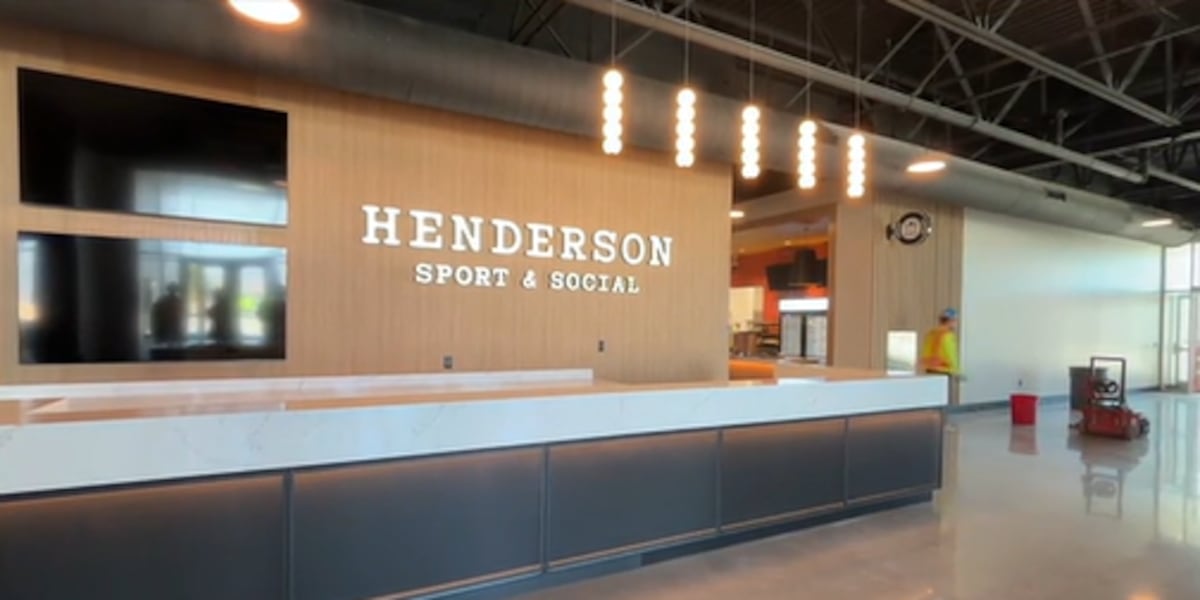
Henderson, NV – A new sports and entertainment destination, Henderson Sport and Social, is set to open in Henderson, offering families a casino-free environment to enjoy year-round activities.
Located just off St. Rose Parkway, the complex spans approximately 180,000 square feet and features:
- 20 Bowling Lanes: Includes a private VIP area.
- 100-Station Arcade: A wide variety of games for all ages.
- Party Rooms: Perfect for celebrations and gatherings.
- Full Restaurant and Bar: Dining options for visitors.
- Mini-Golf: Fun for the entire family.
- Laser Tag Arena: Spread over two levels for an exciting experience.
- Sports Facilities: Four basketball courts that convert to eight volleyball courts and two indoor turf fields for soccer and flag football.
Kayla Morrow, marketing and sales director for KemperSports, emphasized the importance of providing indoor facilities, stating, “Most of the fields around here are outdoors, so we really wanted a place where kids and adults can stay active year-round — and you don’t have to go through a smoky casino to get to any of our amenities.”
Additionally, there will be a membership-only fitness center on the upper level, offering group classes and free child watch services. Other activities are available a la carte, with discounts available for Henderson residents and Clark County School District (CCSD) employees.
The soft opening is scheduled for October 5, with a community grand opening taking place on October 16 and 17.
For further details, visit FOX5 Las Vegas.
Copyright 2026 KVVU. All rights reserved.