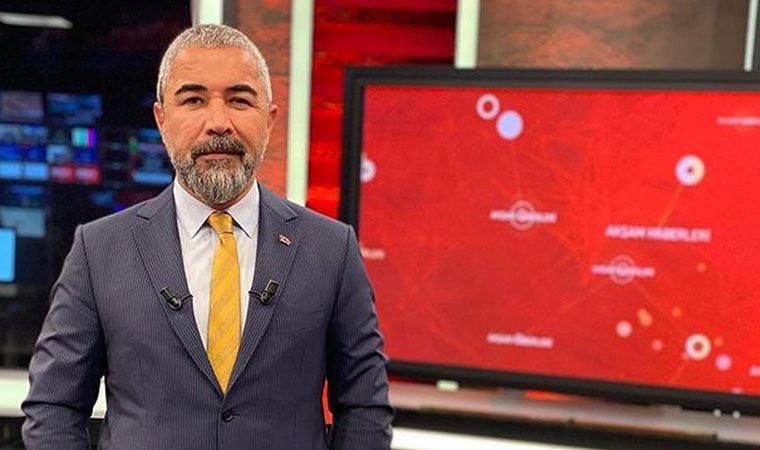
An Istanbul court has ordered the release of former television executive Veyis Ateş, who has been in jail since December as part of a high-profile drug investigation involving various public figures in Turkey’s media and entertainment industries. Charged with drug trafficking and facilitating drug use, Ateş could face up to 40 years in prison, though he has denied the allegations during his hearing.
The investigation, which began in October 2025, initially focused on collecting drug samples from celebrities and questioning them. After expanding in December to include various operations targeting alleged drug-related activities, it has led to several arrests, including that of former Habertürk editor-in-chief Mehmet Akif Ersoy, who testified against Ateş, claiming he had brought cocaine to his home.
Ateş countered that Ersoy falsely implicated him for better treatment from prosecutors, emphasizing that his own drug test was negative and that no drugs were found in his possession. The court’s decision to release him has sparked discussion about the treatment of suspects in the investigation and the media coverage surrounding it, which some critics argue has led to reputational damage before legal conclusions.
Ateş previously left Habertürk in 2021 following controversy over attempts to secure money from a fugitive businessman, an allegation he also denied. The trial will continue as other figures involved face varying allegations related to drug use and trafficking.