Mobile gaming entered a new era in 2026, marked by a paradox: while the number of players increased to 3.10 billion (representing 83.9% of all gamers), downloads plummeted by 25% year-on-year. Revenue, however, is projected to reach $121.1 billion, up 6.8% from the previous year, exemplifying a shift from growth through acquisition to monetization strategies.
Key Insights:
-
Market Dynamics:
- Mobile gaming is no longer about expanding the player base; it’s about monetizing existing users.
- Fewer game downloads correlate with substantial revenue gains focused on established titles.
-
Emerging Markets:
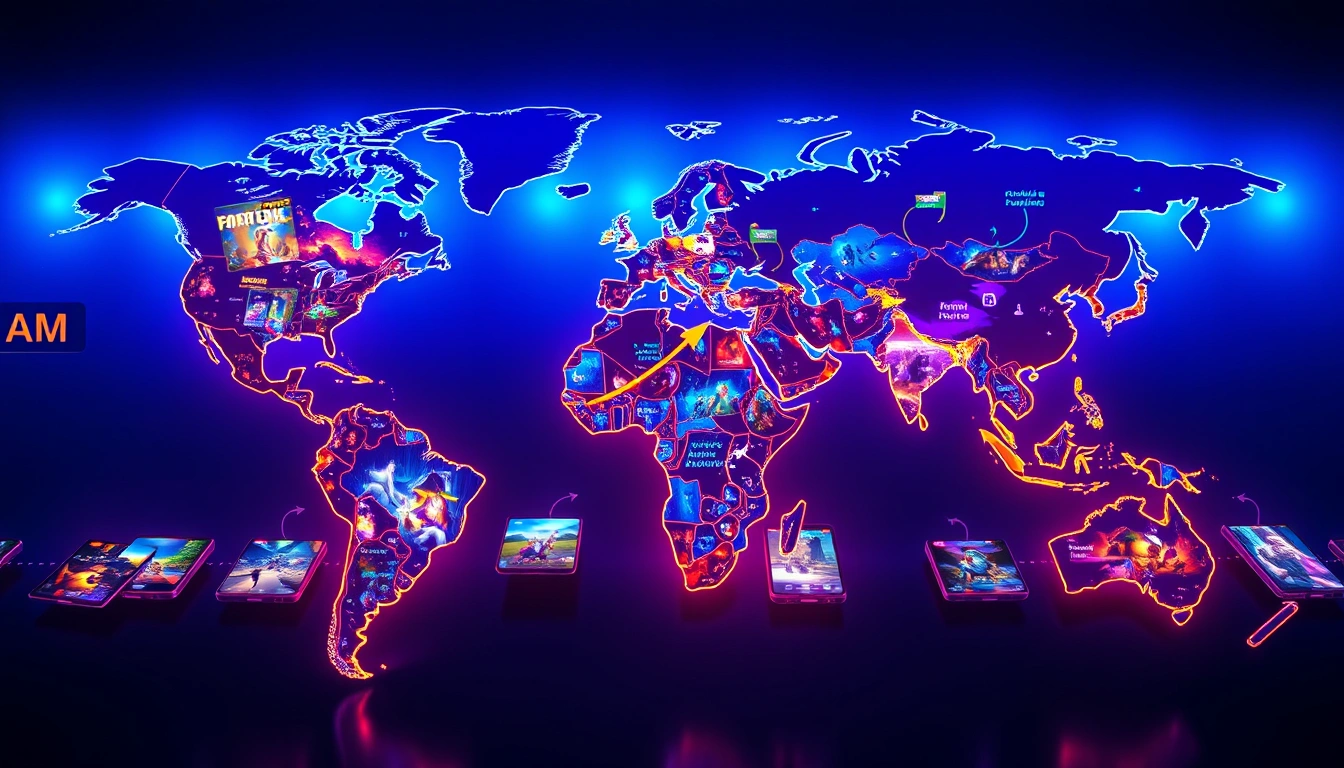
- Growth is concentrating in regions like Central and Southern Asia, Southeast Asia, and Africa, with Sub-Saharan Africa leading at a growth rate of +9.4%.
- The market dynamics in these areas require publishers to adjust pricing models to meet local economic conditions.
-
Platform Trends:
- iOS outpaced Android in growth (5.5% vs. 3.4%) but Android retained the larger user base.
- This trend reflects a growing emphasis on retention and spending among existing users rather than new user acquisition.
-
Regulatory Environment:
- Increased scrutiny on monetization practices, particularly regarding loot boxes and gacha mechanics, could impact future revenue strategies.
-
Hardware Evolution:
- The mobile gaming hardware landscape is evolving to meet the needs of more demanding games, focusing on features tailored for high-spending players.
What This Means for Stakeholders:
-
For Publishers: The focus will shift toward retaining players and enhancing existing products rather than launching new ones, altering marketing strategies and funding decisions.
-
For Players: Users might see fewer new titles but more content and updates to existing games, which may lead to better experiences, albeit at the cost of discovering new games.
The trend signifies a crucial transformation in the mobile gaming landscape that will shape the industry’s future strategies and player engagement.