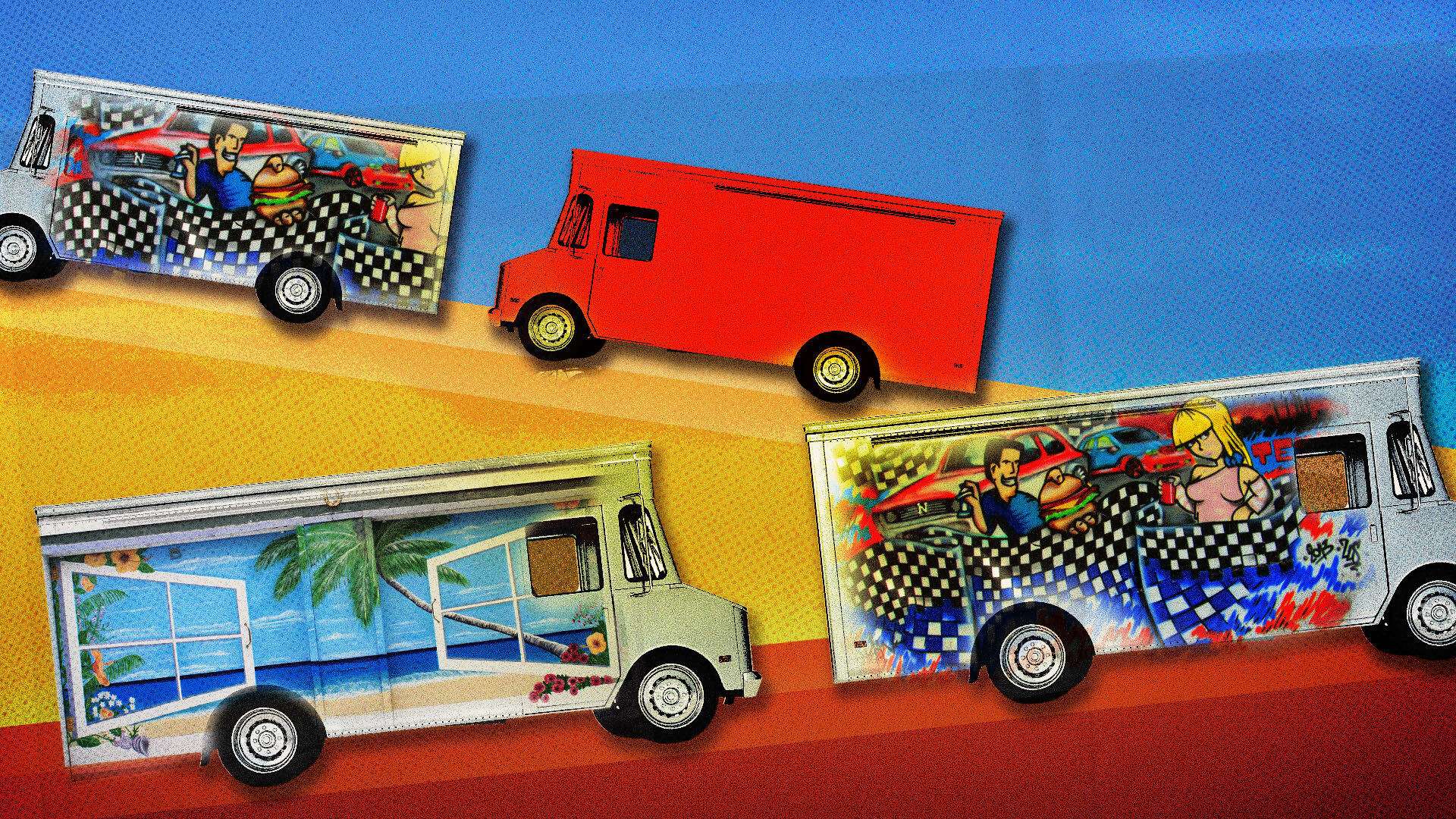
Chicago faces significant criticism over its complex regulations and cumbersome permitting processes for small businesses, particularly food carts and trucks. Ranked fifth in difficulty for obtaining business permits, it also has some of the highest commercial property taxes and sales tax rates in the country.
Food carts, for example, are barred from preparing food on-site, forcing operators to use shared kitchens at an additional cost, while they can only sell pre-packaged food. This has led to absurd legal violations for simple tasks, like assembling a hot dog.
In contrast, food trucks can prepare food on-site but face a fragmented permitting system with numerous licenses, creating confusion for small business owners. NYC, for instance, has a more streamlined mobile food vending license that simplifies the process.
Moreover, restrictions like the 200-foot rule—prohibiting food trucks from operating near brick-and-mortar restaurants—have hampered growth, leading to a decline in food trucks since its implementation. With over 80% of food cart operators being immigrants, navigating this complex system poses additional challenges due to potential language barriers.
Despite claims of a lack of funding as a major issue, food trucks in Chicago face more inspections than their peers in other cities, indicating inefficiencies rather than a lack of capacity. Ultimately, the burden of these excessive regulations falls on small business owners, complicating their efforts to thrive in a competitive market.


