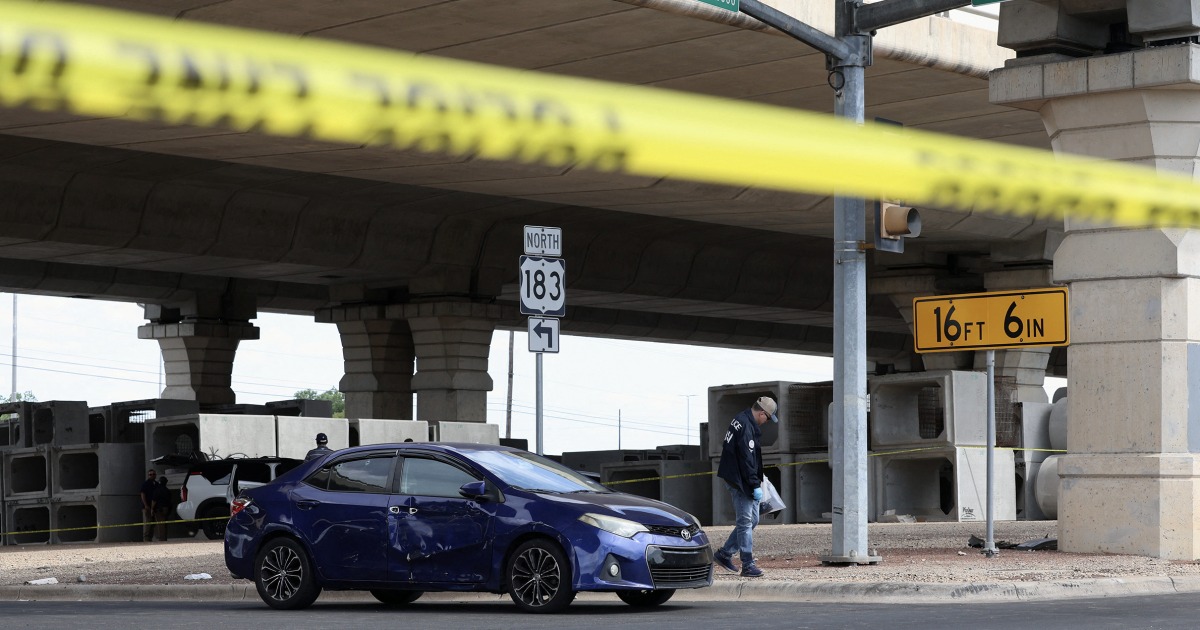
U.S. Immigration and Customs Enforcement (ICE) has issued new internal guidelines prohibiting high-speed car chases and restricting vehicle stops to officers who have undergone specific training. This directive aims to address safety concerns following several incidents where ICE agents discharged firearms during traffic stops, resulting in numerous fatalities and injuries.
The memo, sent to officers in the Enforcement and Removal Operations division, clarifies that officers are not authorized to pursue vehicles that do not stop, and are instead advised to collect vehicle information for subsequent investigations. The guidance underscores the perceived dangers of traffic stops, especially after recent high-profile shootings in Maine and Texas.
While ICE claimed that the memo merely refines earlier directives, it acknowledges the need for improved safety protocols. All officers participating in traffic stops are now required to wear activated body cameras, and only those who have completed one of five designated training courses can initiate vehicle stops. Techniques like “pinning” and the use of spike strips are also restricted to trained personnel.
The new policies follow a tumultuous period within ICE, marked by intense pressures to increase deportations and concerns regarding the qualifications of newly hired agents. In a notable instance, recent courtroom testimony highlighted non-compliance with prior ICE guidelines in an ongoing case involving a shooting incident during a vehicle pursuit, raising further questions about enforcement practices.
Overall, these changes reflect an effort to enhance the safety of all parties involved in ICE-related traffic stops amid escalating scrutiny of the agency’s operations.