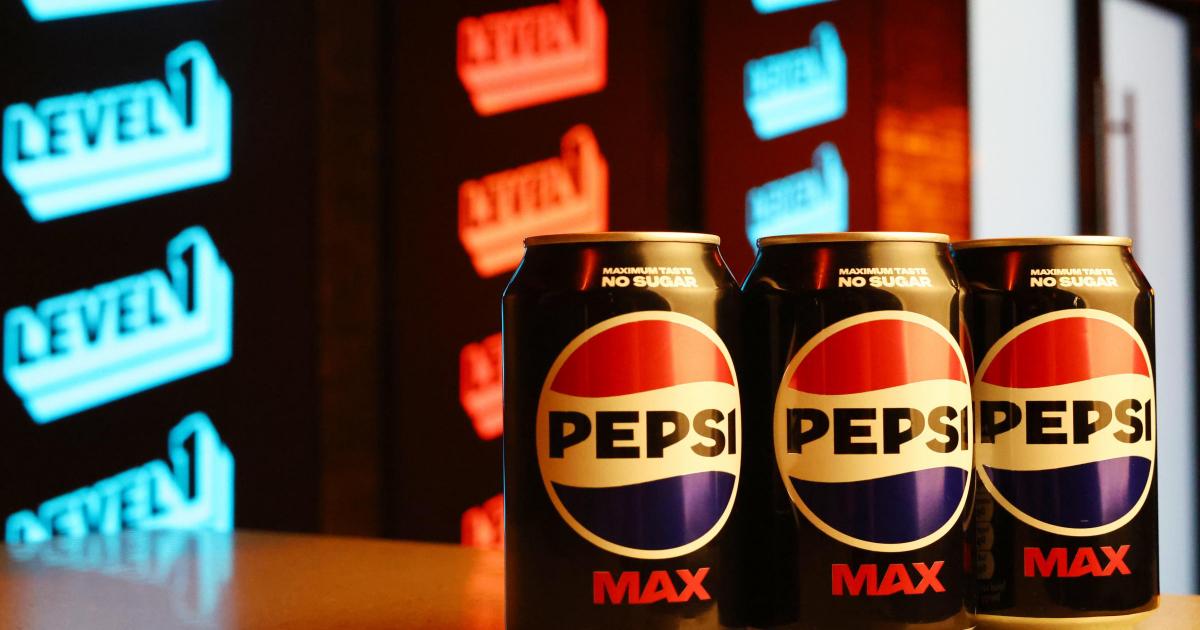
The recent partnership at St Mary’s Stadium introduces the exciting LEVEL1 venue, now officially named LEVEL1 powered by Pepsi MAX. This collaboration aims to enhance fan engagement while enjoying events at the stadium.
Supply and Offerings
As part of the agreement, Carlsberg Britvic will provide a selection of beverages throughout the stadium, including LEVEL1, The Dell, hospitality lounges, and fan zones. Supporters can look forward to a variety of drinks, such as Pepsi, Pepsi MAX, 7UP, Tango, Lipton Ice Tea, Jimmy’s Iced Coffee, and Robinsons Fruit Shoot.
LEVEL1 will be the main venue featuring the complete product range, while other stadium areas will offer a limited selection of these popular drinks.
Pepsi MAX branding will be prominently displayed through various advertising avenues, including LED perimeter signage, big screen promotions, interview backdrops, and matchday activities.
Additionally, Pepsi MAX is sponsoring a competition that will allow fans to win a memorable matchday experience for four people in different areas of the stadium, including LEVEL1 and The Dell.
Statements from Officials
Southampton FC‘s Chief Revenue Officer, Greg Baker, expressed enthusiasm about the partnership, stating: “We are delighted to welcome Carlsberg Britvic and Pepsi MAX as key partners. This agreement reflects our shared ambition to enhance the fan experience at St Mary’s by bringing some of the UK’s most popular soft drink brands. LEVEL1 powered by Pepsi MAX is an exciting step forward for the stadium, and we look forward to working closely with Carlsberg Britvic.”
Business Developments
In January 2025, world-renowned beverage manufacturer Carlsberg finalized its acquisition of Britvic, merging the two companies into a unified UK business. This strategic move is anticipated to further boost the club’s revenue, particularly with the introduction of new Squad Cost Ratio (SCR) regulations in the Premier League.
The SCR rules, set to take effect this summer, will impose limitations on squad expenditure, allowing clubs to allocate a maximum of 85% of their generated revenue toward squad-related costs, including player transfers, salaries, managerial fees, and agent payments.
Clubs may have a multi-year rolling allowance of up to 30%, but exceeding the limits will incur penalties. A six-point deduction will be imposed on any club surpassing the cap, with additional deductions applied for every £6.5 million over the threshold.
As the English Football League (EFL) plans to vote on adopting similar SCR regulations in April, discussions are ongoing to address the complexities of implementing these guidelines.
Key Takeaways
- LEVEL1 venue now branded as LEVEL1 powered by Pepsi MAX at St Mary’s Stadium.
- Carlsberg Britvic to supply various drinks including Pepsi MAX and Lipton’s Ice Tea.
- Pepsi MAX branding to be featured prominently throughout the stadium.
- A competition will allow fans to win matchday experiences in different stadium areas.
- Carlsberg’s acquisition of Britvic aims to enhance club revenue.
- New Squad Cost Ratio regulations to impact football spending from this summer.
FAQ
What is LEVEL1 powered by Pepsi MAX?
LEVEL1 is the primary venue at St Mary’s Stadium that will feature a full selection of Carlsberg Britvic beverage offerings.
What products will be available at the stadium?
Fans can enjoy a variety of drinks including Pepsi, 7UP, Tango, and Lipton Ice Tea, among others.
What promotional activities will Pepsi MAX conduct?
Pepsi MAX will run a competition allowing fans to win a matchday experience for four in designated areas of the stadium.
How will SCR regulations affect clubs?
The new regulations will limit squad spending to a percentage of generated revenue, imposing penalties for exceeding these limits.
When will the SCR rules be implemented?
The SCR rules will take effect in the Premier League this summer and will potentially be adopted by the EFL in April.