Purchasing a vintage car is a significant commitment, and for those enamored with Italian automotive design, it can transform into a passionate obsession. While their reputation for requiring high maintenance is well-founded, this characteristic can serve as a filter: discerning true enthusiasts from casual admirers.
With that in mind, let’s explore some of the most intriguing Italian vintage cars that stand out from the typical offerings. The following list features four models that remain within reach for dedicated enthusiasts, as well as four high-end options that prioritize taste over mere wealth.
Fiat 124 Sport Spider (1966-1981)

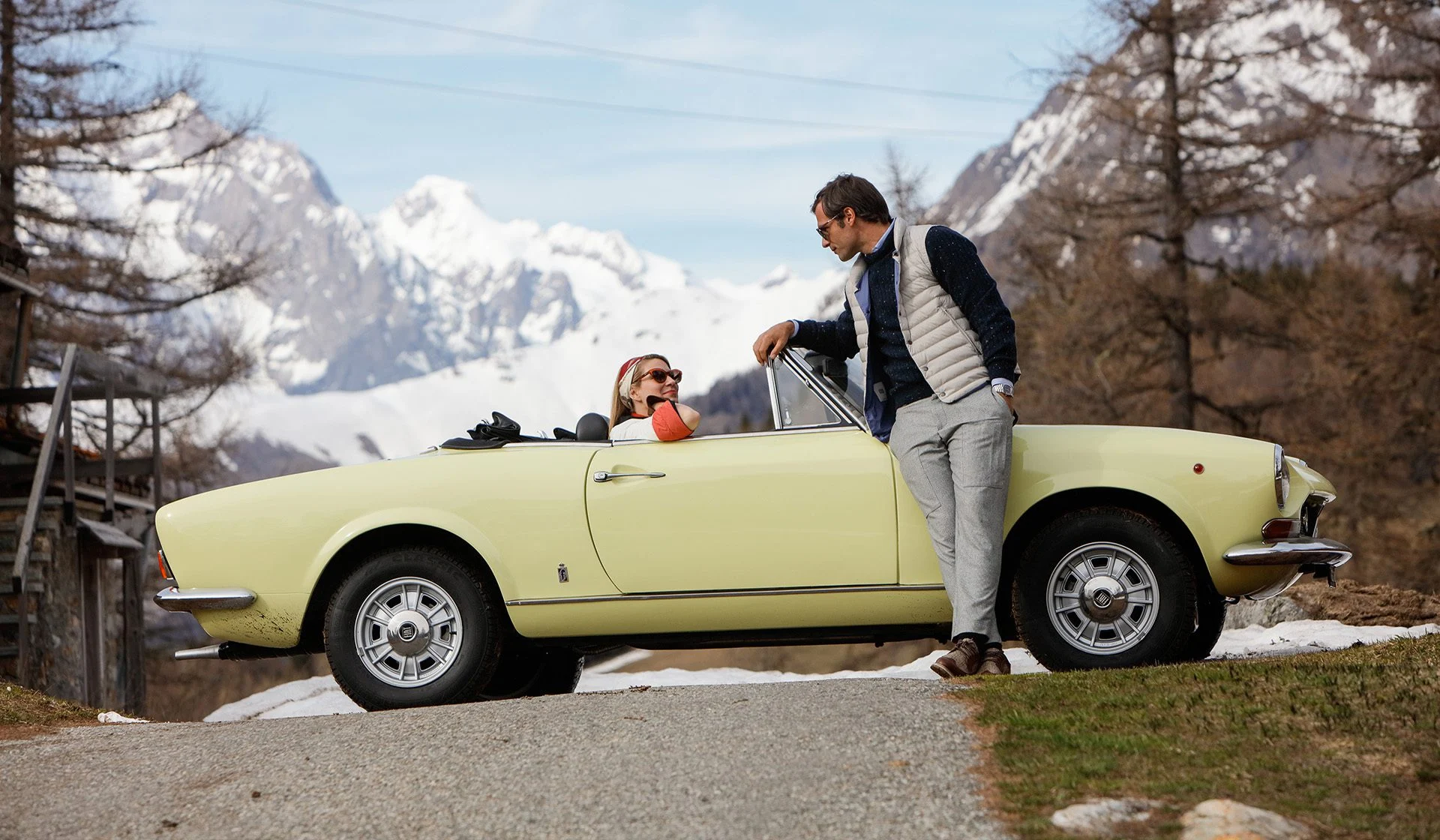
Often dubbed the Italian “people’s car,” the Fiat 124 Spider is a fitting introduction to vintage cars. Although it lacks the glamor of some competitors, the 124 Spider is a strong contender, having been launched in 1966 and designed by the renowned Pininfarina. This vehicle has earned a reputation for both its stunning design and enjoyable driving experience.
Distinguishing features include its double-dome hood and almost human-like headlight surrounds, combined with Fiat’s legendary twin-cam four-cylinder engine, making it a delightful package. As the model was produced for several years, later iterations did see some regulatory changes that affected its original charm. Nonetheless, any version of the 124 is a fantastic entry point into Italian classic car ownership.
Alfa Romeo ‘Duetto’ Spider (1966-1969)

If the Fiat 124 represents the first foray into Italian roadsters, then the Alfa Romeo Spider is a natural progression. Like the Fiat, the Alfa Spider debuted in 1966 and was also a product of Pininfarina’s skilled design team. However, while the Fiat had a somewhat boxy look, the Alfa’s original ‘Duetto’ was smaller and more gracefully styled.
Its charm lies similarly in its charismatic twin-cam four-cylinder engine. Collectors today particularly favor the early models of the Duetto, as the Series 2 ‘Coda Tronca,’ introduced in 1970, traded its elegant silhouette for a bulkier appearance, losing some of its original flair. The Spider enjoyed production until 1993, but remained less appealing with each successive generation.
Lancia Fulvia Coupe (1965-1976)

While the Alfa Romeo and Fiat models enjoyed a long and storied presence, the Lancia Fulvia remains a relatively lesser-known gem. This front-wheel-drive vehicle was central to Lancia’s lineup in the 1960s and came in various body styles, with the elegant coupe being the star of the show. Its unique design combined with rarity makes it particularly appealing to enthusiasts.
Unlike traditional rear-wheel-drive sports cars, the Fulvia employs a distinctive V4 engine canted at an angle, powering the front wheels. Its success in rally racing has only added to its charming eccentricity. While it offers a thrilling driving experience, it also demands attention as a unique choice among classic cars.
Alfa Romeo GT Coupe (1963-1967)

Another iconic model from Alfa Romeo is the 105 Coupé, also known as the GT and GTV. Introduced during the same era as the Spider, this coupe contrasts sharply in design. During the exciting 1960s, Alfa Romeo launched two distinct two-door sports cars, with rival designers contributing to their unique aesthetics.
Giorgetto Giugiaro, from the Bertone design house, crafted the stylish coupe variant of the Giulia. This elegant model thrived in motorsport and underwent multiple upgrades, evolving from GT to GTV and Sprint, ultimately solidifying its status as one of the most desirable Alfa Romeos today.
Maserati Bora (1971-1978)

Transitioning from sports cars to the realm of supercars, the Maserati Bora stands out as a distinctive model from its time. Created during Maserati’s collaboration with Citroën, this mid-engine marvel, also designed by Giugiaro, boasts a sleek wedge shape and introduced several innovations for the Italian manufacturer.
Features such as the all-around independent suspension and a clever glazed section over the rear engine compartment made it functional beyond its stunning aesthetics. The Bora is celebrated for its elegant and timeless design, making well-preserved models a rarity and a true symbol of coolness today.
Lamborghini Miura (1964-69)

Among the many Italian supercars, the Lamborghini Miura undoubtedly holds a special place. Widely regarded as the first true mid-engine supercar, it was brought to life by an exceptional team of young designers and engineers, including Marcello Gandini.
Miura prices have soared in recent years, thanks in part to endorsements from celebrities like Lando Norris, who has been spotted in a striking dark blue version with a bold orange interior. Beyond its breathtaking design, the Miura’s V12 engine and groundbreaking engineering distinguish it in the elite realm of Italian supercars, ensuring its values will likely continue to rise.
Ferrari 365 GT4 2+2 (1972-1989)

For those who prefer an alternative to the conventional supercar, the Ferrari 365 GT4 serves as an outstanding grand tourer. This model artfully combines the expensive ‘Daytona’ components with a spacious three-box coupe design, striking a balance between luxury and cost-effectiveness.
Pininfarina once again played a crucial role in its design, embracing a more modern aesthetic characterized by sharp angles and bold lines, contrasting with the smoother forms of earlier decades. The 365 evolved into the 400 and 412 models, remaining in production until 1989 and maintaining its contemporary appeal even in the flashy 1980s.