
5 min read
Fitness is often seen as a lifelong journey, and it can be transformative at any age. This article explores how fitness can evolve in midlife and how to approach changes in body and health with intention.
Growing up, fitness was not a significant part of my life. I didn’t play sports and only joined a gym at 18 to enhance my body image. Throughout my 20s and 30s, my focus was on running marathons, culminating in the Marine Corps Marathon at 32. However, as I entered midlife, my understanding of health broadened to encompass strength training, nutrition, and overall longevity. This was a pivotal moment that changed everything.
At 41, I discovered CrossFit, which completely redefined my approach to fitness. Introduced by a friend, I grew passionate about strength training and the sense of empowerment it provided. For the first time, I saw myself as an athlete and set performance goals. My participation in CrossFit competitions helped me realize an incredible level of strength and confidence I had never imagined I could achieve.
While the workouts were thrilling, the supportive community was a major reason I remained committed. In CrossFit, everyone encourages each other, creating a sense of accountability that turned fitness from a chore into an enjoyable lifestyle.
After nearly a decade of CrossFit, life took an unexpected turn when I entered menopause and was diagnosed with papillary thyroid cancer in 2024 at 51. Fortunately, it was caught early and required only surgery. However, my body changed in ways I hadn’t anticipated, impacting my energy, strength, and recovery processes. This situation forced me to slow down and reevaluate my definition of health.
Adapting My Approach to Fitness
The routines that once worked so well for me no longer yielded the same results. I didn’t stop training but modified my intensity and approach. I continued strength training but shifted away from CrossFit to focus on lower-intensity workouts, waiting for medical clearance.
Nutrition became a priority as I shifted to focus on whole foods and adequate protein intake. I learned to stop restrictive eating and instead nourish my body to heal and maintain muscle mass. This adjustment resulted in noticeable improvements in my daily energy, mood, and overall well-being, illustrating the powerful link between fitness and nutrition.
Essential Training Equipment

Iron Bull Strength Weight Lifting Belt
This lifting belt offers crucial support while performing heavy lifts, particularly during squats and deadlifts.
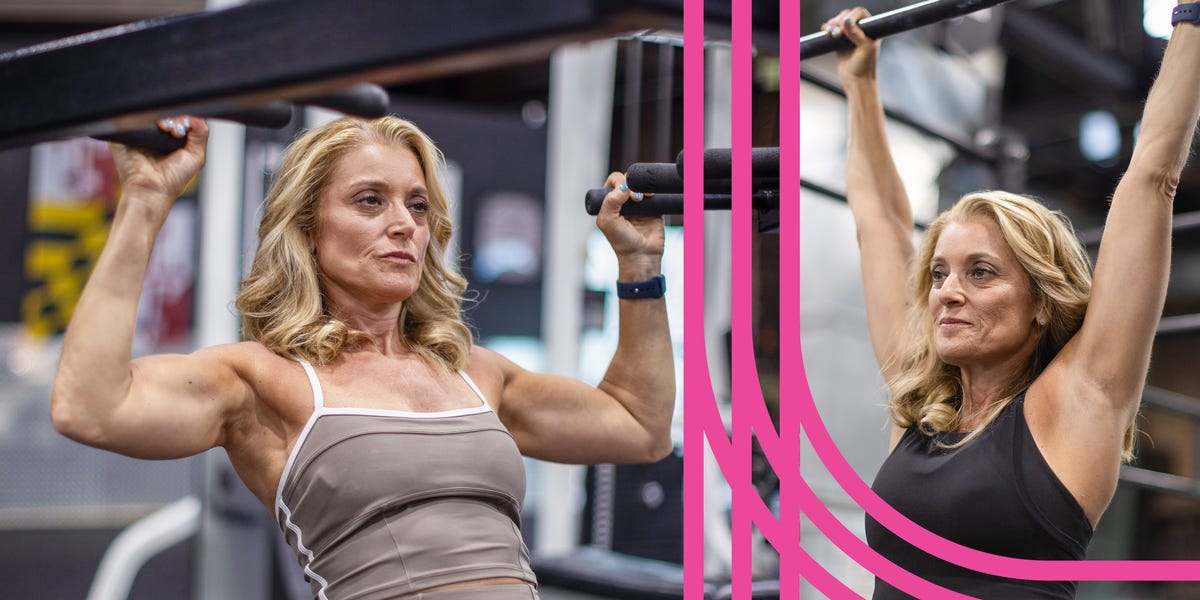
My training schedule now includes strength sessions five times a week, focusing on two days for upper body, two for lower body, and one full-body workout. I prioritize compound and functional movements like squats, lunges, and pull-ups, usually performing three to four sets of eight to twelve reps, employing the progressive overload method. To ensure continual development, I update my routine every six to eight weeks.
Cardio complements my strength training. I aim for 8,000 to 10,000 daily steps, utilizing the StairMaster once or twice a week, and occasionally incorporate short HIIT sessions.
Three Key Habits for Progress
1. Consistency Over Intensity
Major health changes taught me to value consistency over search for high-intensity workouts. You don’t need to go all out to see results. Regular attendance and effort made a noticeable impact on my strength.
2. Prioritizing Recovery
I learned to treat recovery as a critical part of my fitness journey. Prioritizing sleep and proper nutrition helps repair and rebuild muscle outside of workouts.
3. Listening to My Body
My mindset shifted towards listening to my body’s needs. Instead of forcing intensity, I focus on controlled, purposeful strength training.
You might think my adjustments signify a pullback, but I feel more in tune with my body than ever before. My mobility, energy, and resilience have improved significantly since my younger years.
Not only have I achieved personal bests in deadlifts—historically challenging for me—I’ve also strengthened my pull-up capacity. Observing these enhancements has been empowering, reminding me of the body’s potential for resilience, especially after setbacks.
I learned that entering midlife doesn’t equate to decline; it can be a transformative opportunity. Feeling healthy and empowered at this stage of life is vital for me.
With the right approach to strength training, nutrition, and recovery, women can feel more in control of their health than ever before. My journey reaffirms that focusing on the fundamentals—consistent lifting, adequate nutrition, daily movement, and allowing time for recovery—can lead to remarkable progress, regardless of your age.
### Conclusion
Fitness is a lifelong journey filled with challenges and opportunities for growth, especially in midlife. By focusing on consistency, recovery, and listening to your body, you create a sustainable fitness approach that empowers you, regardless of age. Embrace the changes, adapt your routine, and remember that health is about nurturing your body and resilience, which can lead to empowering achievements.