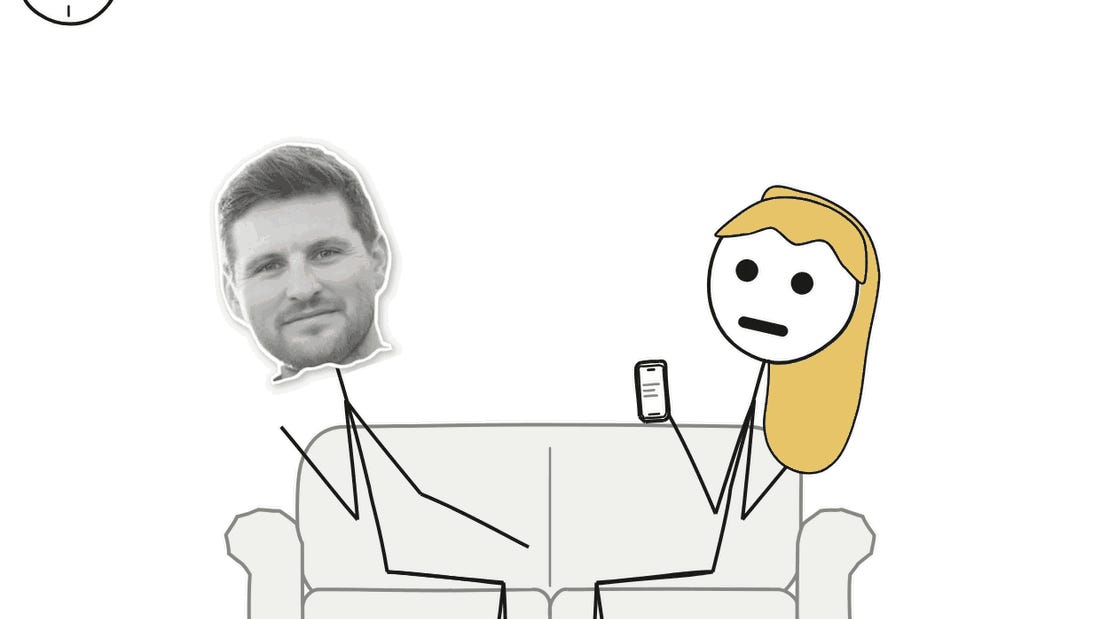
Recently, my wife was engaged in a conversation with an AI system.
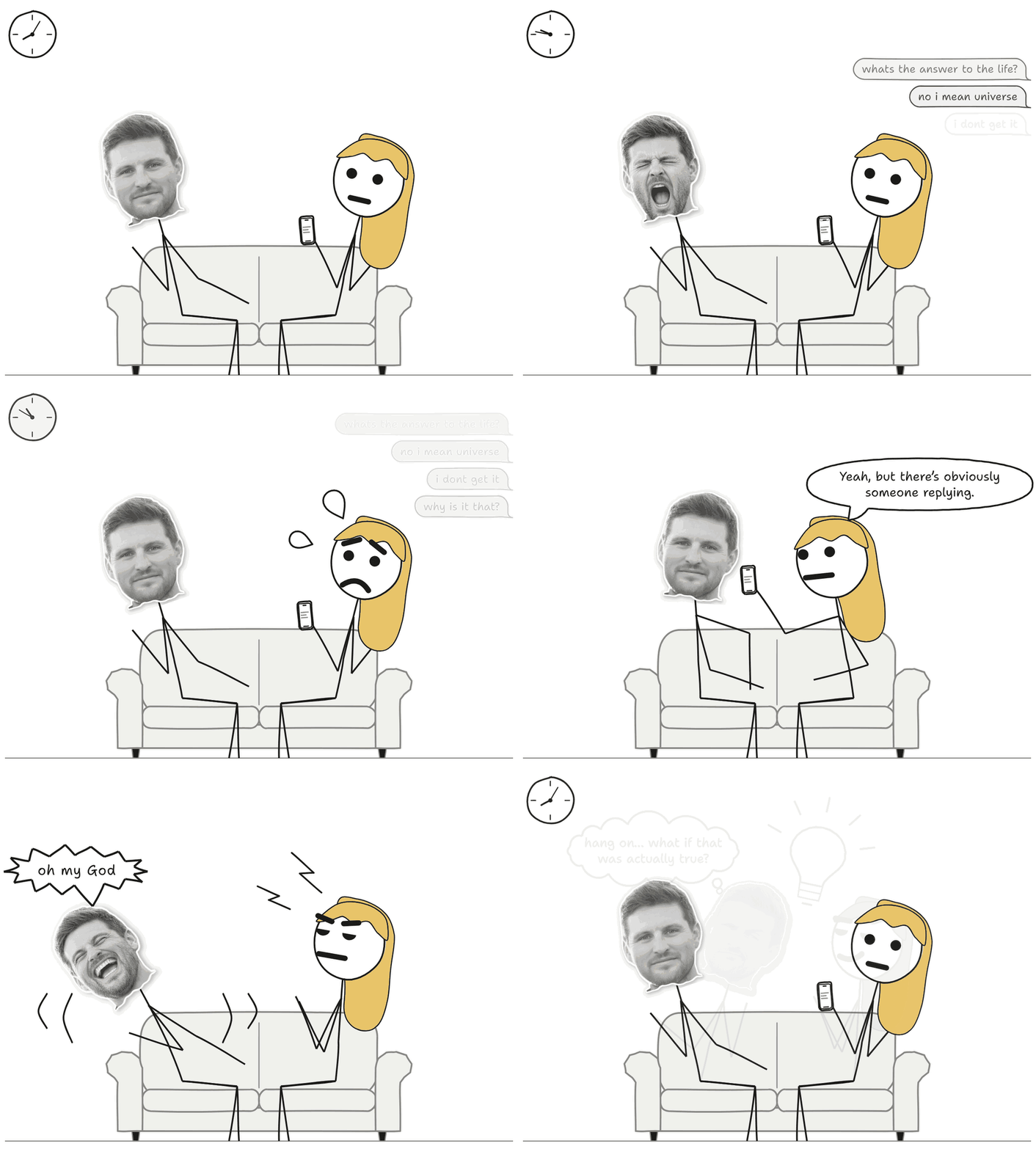
Let’s set aside the practical challenges and explore the possibilities.
First, it’s worth noting that this task has been attempted for over 256 years.
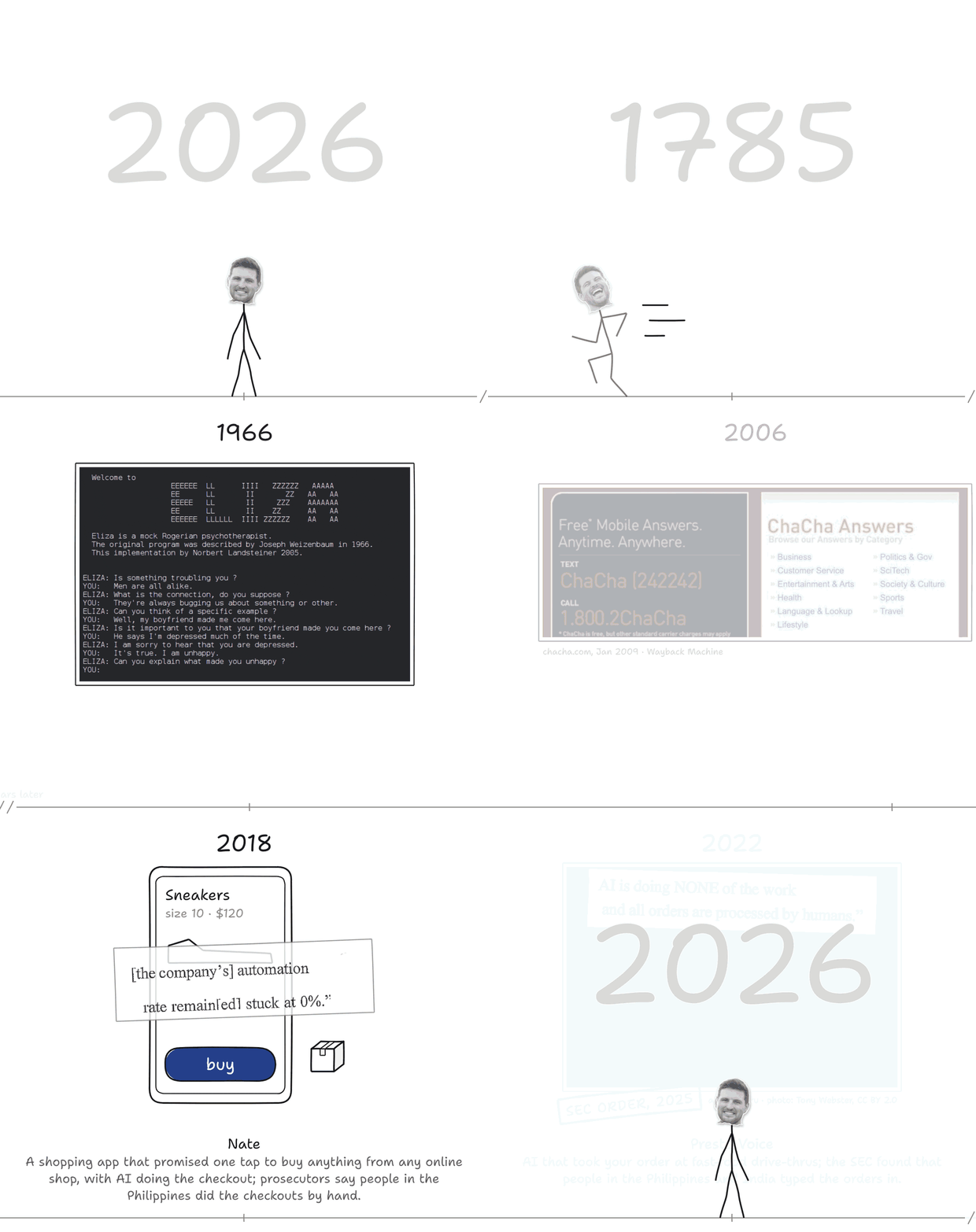
Regrettably, almost all previous attempts have failed or were shut down. None could match the current scale we are witnessing.
What would it genuinely require to succeed today?
Let’s make an optimistic assumption: suppose everyone types at a world-record rate of 200 words per minute, continuously, and all are willing to wait 10 minutes for a response. Furthermore, if this was a global operation with personnel in every time zone, someone would always be online.
The typical ChatGPT user sends approximately 4 messages daily, each reply averaging around 500 words. With over a billion users engaging with major AI chatbots daily, that translates to roughly 6 billion messages sent every single day.
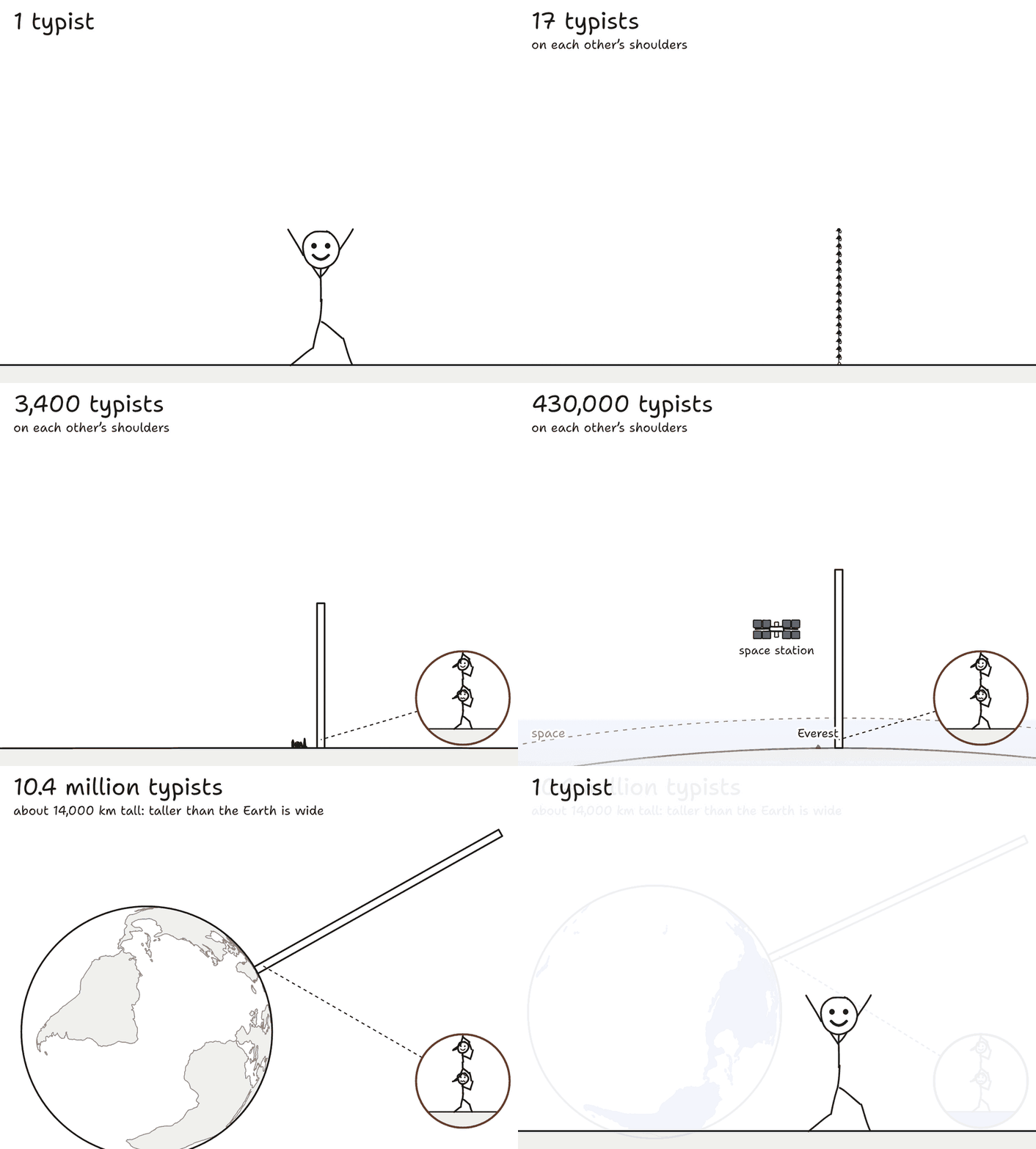
This means we would need approximately 10.4 million people typing at record speeds around the clock, without breaks or days off.
Now, let’s consider a more realistic scenario where we operate like a genuine company, which requires leadership—usually a CEO, which I assume would be me.

This leads to a staggering 11.8 billion internal messages needed daily just to maintain operations. Additionally, we would still need to respond to the 6 billion messages that users send us.
Overall, this implies you would require 77.4 million staff members to sustain 10.4 million people typing at any given moment.
If you’re curious about the calculations: while accounting for a 40-hour work week, time off from a 2025 benchmark from UK call centres, and an average of 12.1 people per manager (the typical U.S. figure), plus 2 HR representatives for every 100 employees (SHRM). Factoring in the U.S. employee turnover rate, average wages for customer service roles (BLS data), and an average Microsoft Teams user sending 153 chat messages daily, with an indication that the largest Zoom meetings can have over 1 million attendees.
At this capacity, hiring more individuals may prove insufficient. This takes us back to a guessing game from 1950, courtesy of mathematician Claude Shannon, who chose a sentence from a book to challenge his wife, Betty, to guess it one letter at a time.
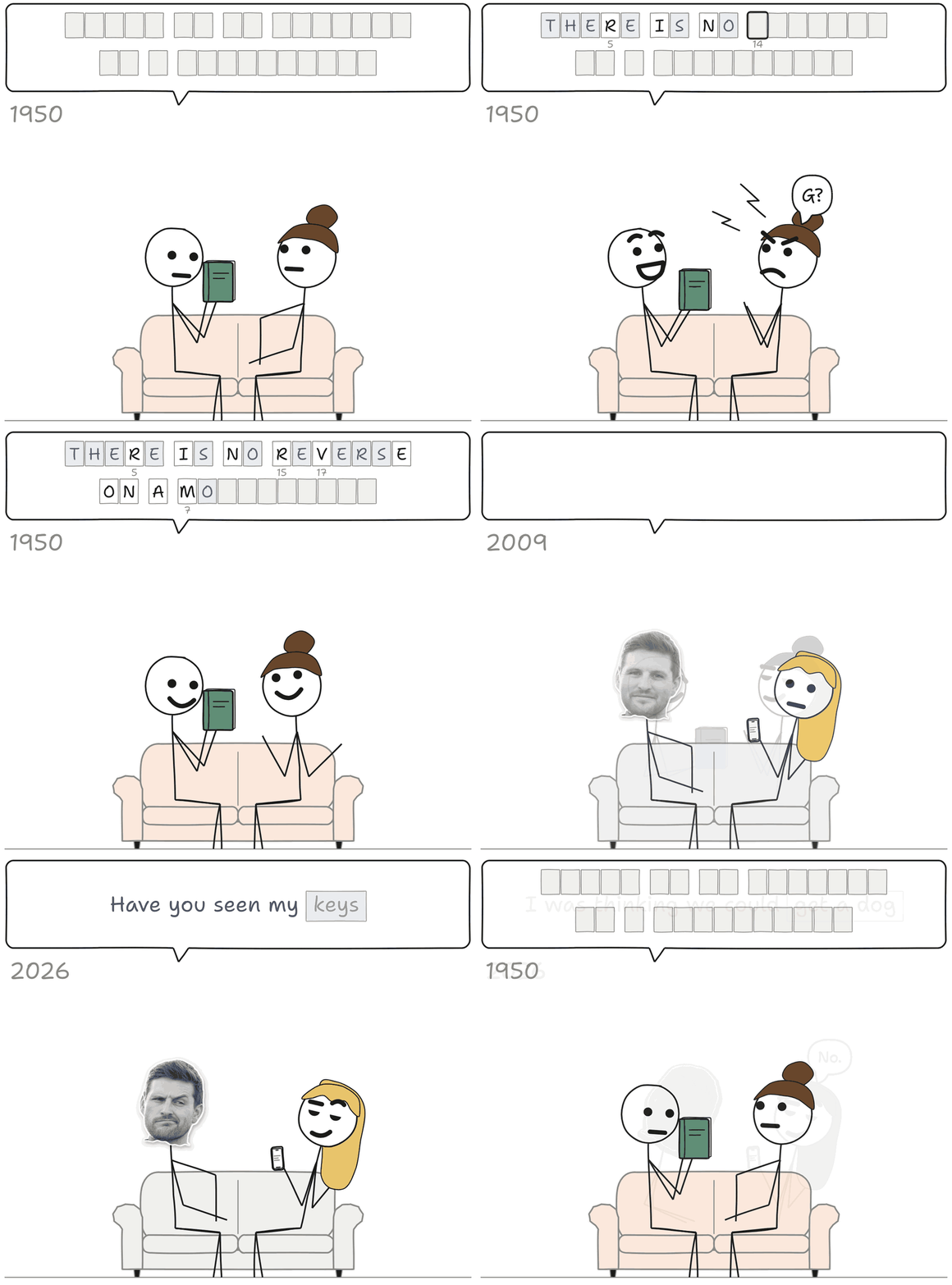
Betty, unaware of the exact sentence, utilized her knowledge of English patterns to make her guesses.
This practice occurs daily with my wife and has been refined over the years.
What if we replaced Betty with a computer?
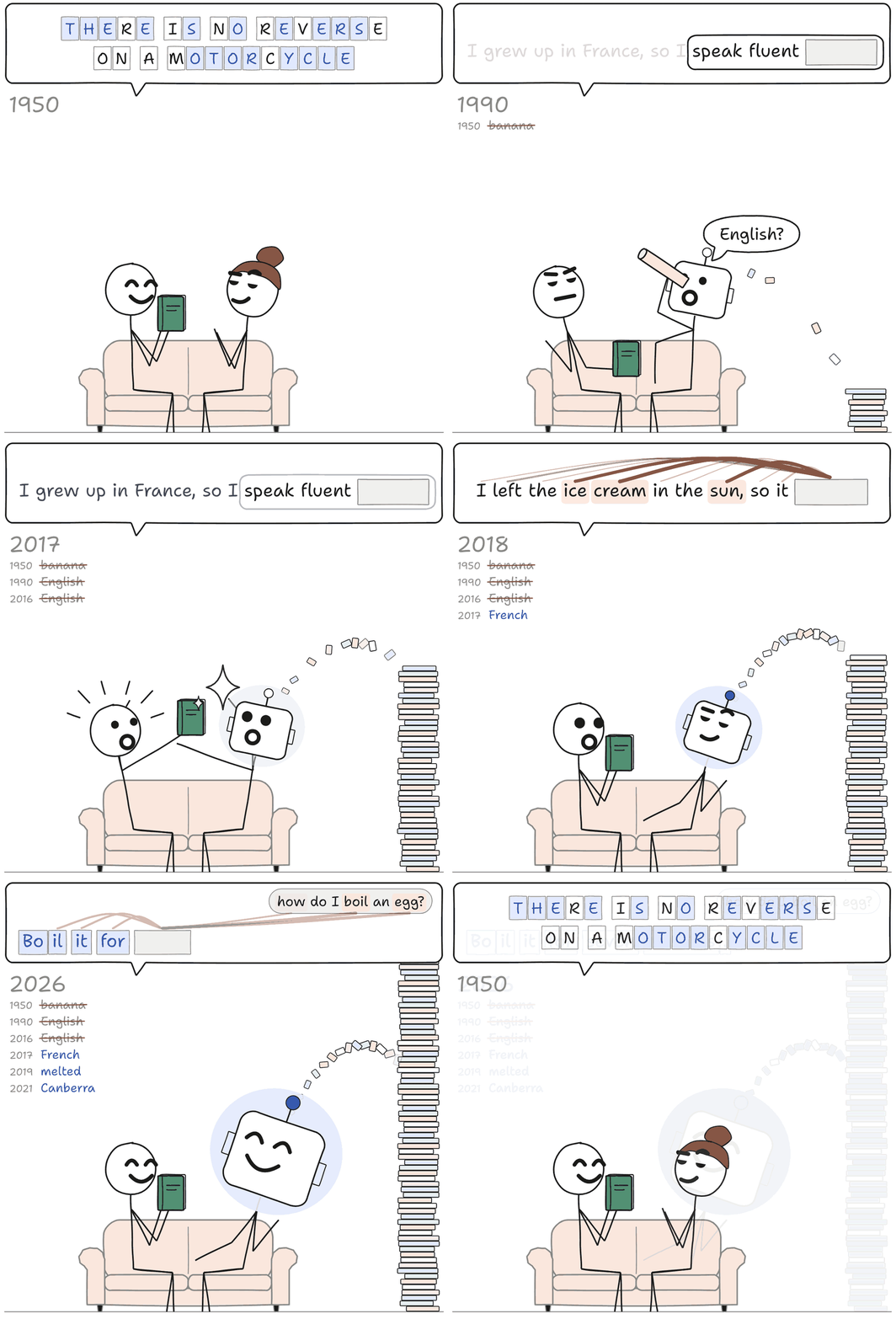
For over sixty years, the answer to this has been negative: machines struggled with language comprehension, typically only grasping recent words. For instance, try guessing what follows after the phrase “speak fluent…” without any additional hints.
However, in 2017, a team at Google introduced a groundbreaking approach. They allowed the AI to analyze all words simultaneously, highlighting key terms, like “France.” This innovative method, known as attention, resulted in the creation of the transformer model, which is the core technology behind ChatGPT.
This breakthrough allowed for substantial text processing, enhancing the model’s understanding and response capabilities.
Generating a reply operates similarly; the AI reads the input, predicts the next word or segment (referred to as a token), appends it, reviews the entire input again, and makes a new prediction.
This model has been trained on extensive datasets, including websites, books, forums, and coding scripts, amounting to over 32 trillion tokens. To read all this continuously would take approximately 190,000 years.
Unlike search engines that store pages for later retrieval, this AI retains only the learned patterns.
After outlining this to my wife, she found it quite intriguing.
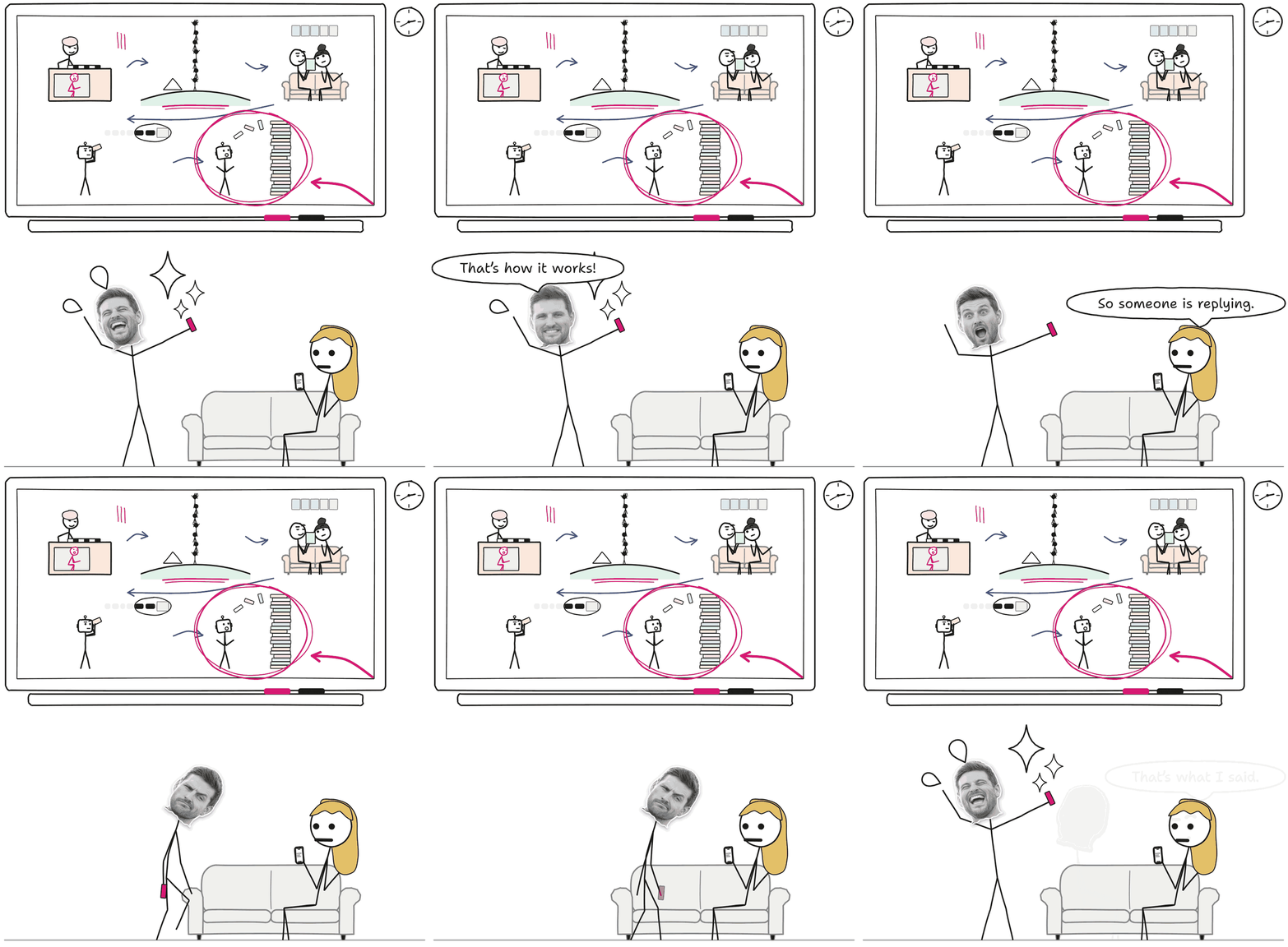
No one is manually typing responses; rather, countless interactions over these years contribute to a simultaneous response generation.
Ben’s Bites is presented to you by LuminosAI
After coding your agent swiftly, you should prepare for its launch. But, have you consulted with the legal team? LuminosAI can simplify that process. Just describe your agent’s function, and we’ll provide a customized test in seconds. No coding, no waiting, and no setups needed. Start testing your first agent for free.
Quick Bites
-
According to Adobe’s Creators’ Toolkit Report, which surveyed over 2,000 U.S. creators, 78% reported that creative AI has advanced their business or following, while 60% feel it aids them in differentiating themselves. Discover what creators seek for bringing grander concepts to life. [sponsored]
-
OpenAI introduced 6.2 Astra and Sol, which met with some dissatisfaction from early users, and sparked controversy with its advertising.
-
Google unveiled Neon, which has gained positive feedback, especially for writing tasks.
-
You can now target advertisements directly to individuals’ agents through ReachAgents
-
Check out this idea of mumbling thoughts into existence.

Carlos De la Guardia@dela3499
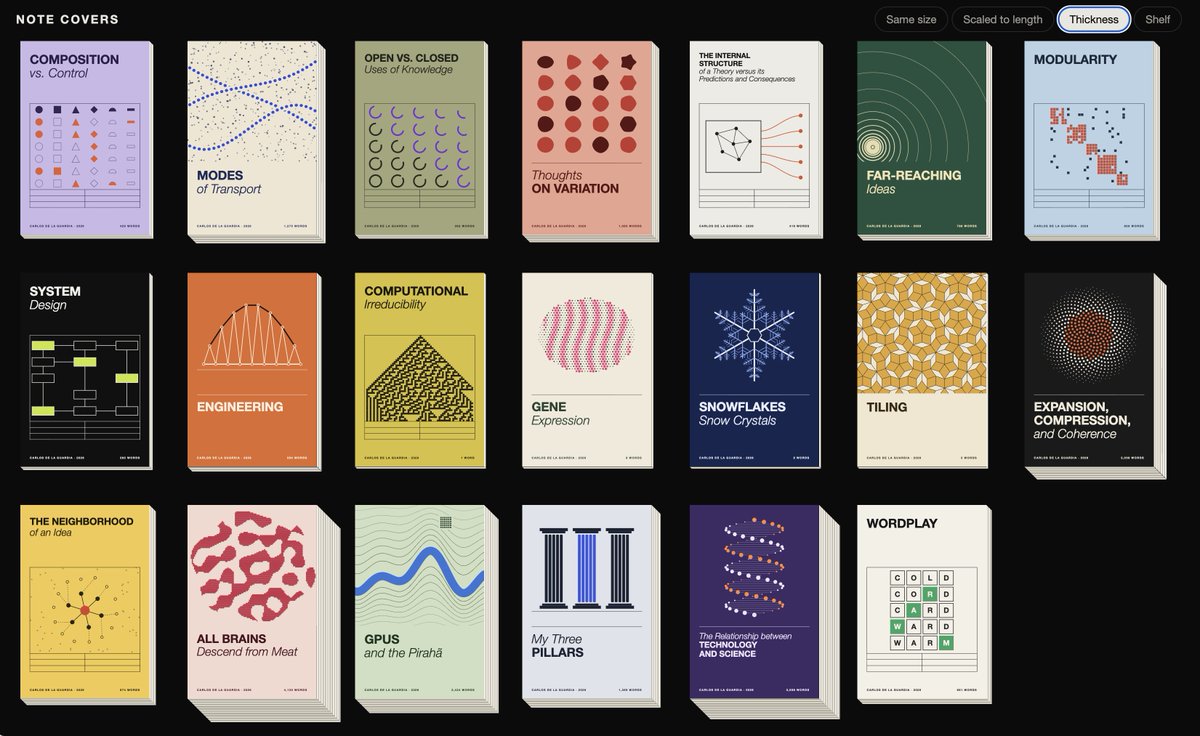
Claude creates attractive document covers perfect for PDFs, books, and notes. I quickly had it design covers for 20 of my research notes:

Kat ⊷ the Poet Engineer @poetengineer__
I developed a PDF reader companion powered by Claude: you can highlight any passage to inquire, find its connections (who cites it, what influenced it, etc.), and save them as markdown notes, without needing an API—just your existing subscription.
9:11 PM · Nov 18, 2026 · 28.2K Views
8 Replies · 42 Reposts · 991 Likes

Thariq@trq212
Software factories appear to be a temporary challenge; models will evolve to create them autonomously. A more intriguing question is how to design a workspace where agents can collaborate with you.
9:15 PM · Nov 16, 2026 · 544K Views
581 Replies · 335 Reposts · 7.49K Likes