New World Screwworm Cases Confirmed in Arizona: What Pet Owners Need to Know
SCOTTSDALE, AZ — Recent reports from veterinarians urge pet owners to be vigilant as two dogs are among the five confirmed cases of New World screwworm in the state. The Arizona Department of Agriculture has identified two dogs, two horses, and one sheep affected, primarily in Cochise and Graham Counties.
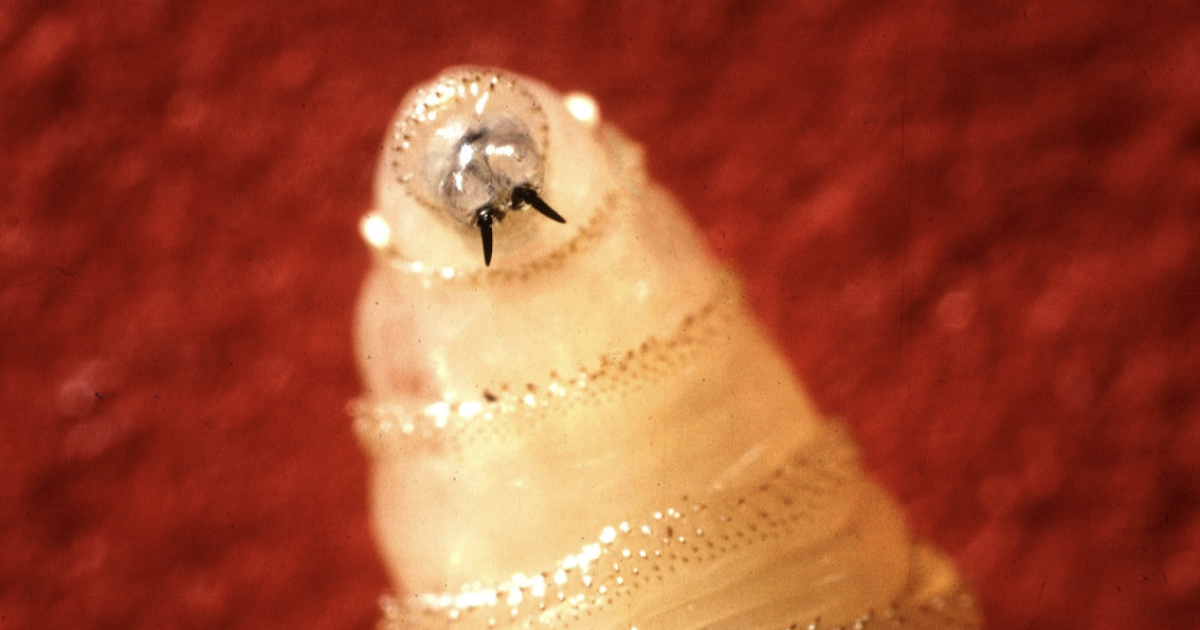
What is New World Screwworm?
The screwworm fly lays its eggs in open wounds, and its larvae feed on living tissue. This can lead to serious damage and can be fatal if not addressed quickly.
Signs of Infection
Pet owners are advised to check their animals daily for:
- Draining or enlarging wounds
- Presence of maggots or egg masses
- Signs of discomfort or irritability
- Unexplained lesions
If any of these signs are noticed, immediate veterinary care is recommended.
Precautions for Traveling Pet Owners
Pet owners planning to travel to California from Arizona must ensure their pets receive a health inspection, a health certificate, and an entry permit within seven days of arrival. It’s essential to contact a veterinarian ahead of time to secure the necessary documentation.
Awareness and Treatment
Dr. Raegan Wells, an emergency veterinarian with nearly 20 years of experience, emphasizes that this is a reemergence of screwworm, which had previously been eradicated. There are currently no preventative medications approved specifically for screwworm, but some treatments for heartworm and gastrointestinal parasites are authorized.
Pet owners should also closely monitor any surgical incisions for unusual odors or signs of infection.
Risk Beyond Pets
Dr. Wells highlighted the wider implications of screwworm outbreaks, stating that it is not only an issue for pets but can also affect livestock, thus impacting the food supply.
Reporting Cases
If you notice any suspicious wounds on your pets, contact your veterinarian immediately. Possible cases can also be reported to the Arizona Department of Agriculture via email at diseasereporting@azda.gov or by calling 602-542-4293 during business hours.
Stay alert and proactive to ensure the health and safety of your pets during this concerning outbreak.