The Transformation of a Beauty Giant: Estée Lauder’s Growth Strategy
In the competitive landscape of the beauty industry, adaptability is key to success. A year after facing declining sales, Estée Lauder Companies launched its ambitious “Beauty Reimagined” initiative. Today, the beauty conglomerate is back on the growth trajectory, showcasing a resilient turnaround that others in the industry can learn from.
Growth in Sales and Strategic Focus
For the second quarter of fiscal year 2026, Estée Lauder reported a 6% increase in net sales, reaching $4.2 billion. This uptick is a clear indicator of the effectiveness of their revamped strategy. The company now anticipates organic net sales will rise by 1-3% for the entire year, with growth projected across various regions, except for the Americas, where sales are expected to stabilize.
Stéphane de La Faverie, CEO of Estée Lauder, remarked on the ambitious goals of the “Beauty Reimagined” initiative, which aims not just for financial recovery but also for a transformation in operational practices and corporate culture. The passion and creativity of the team have played a crucial role in driving this success, laying a solid foundation for continued growth.
Performance Insights by Category
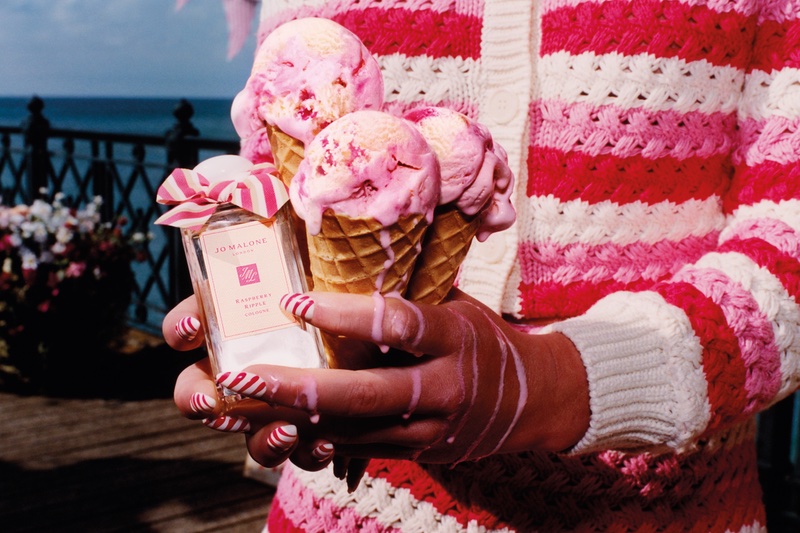
One of the standout performers for Estée Lauder has been its fragrance category. Sales for fragrances grew by 6% compared to Q2 2024, driven by popular lines such as Tom Ford and Le Labo. The company also expanded its physical presence, opening nine new standalone stores globally. Noteworthy is the introduction of new products, including Tom Ford’s Figue Érotique and offerings from Jo Malone London.
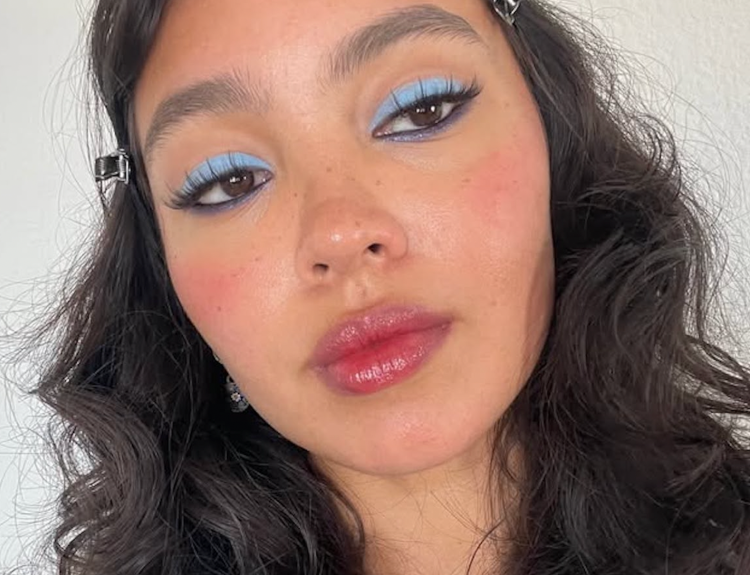
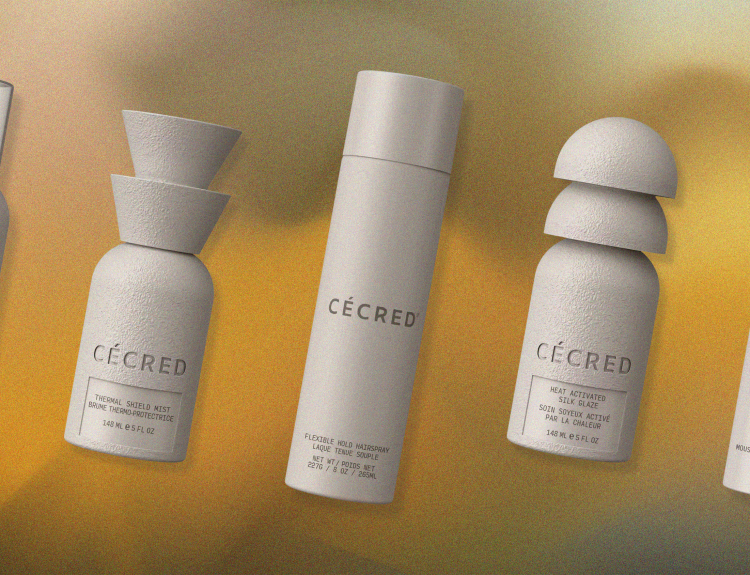
Skin-care products also showed promising growth, with a 6% increase in net sales, largely attributed to popular lines like La Mer. Even hair-care products experienced a 5% boost. However, it’s important to note that the makeup category saw a slight decline of 1%, despite MAC’s growth potential.
The strategic acquisition of new talent, such as Nicola Formichetti as creative director for MAC, is part of a broader effort to revitalize this segment. Additionally, the expansion into social platforms like TikTok Shop has opened new avenues for market share gains, particularly in the competitive lip category.
Regional Successes and Evolving Strategies
Estée Lauder reported impressive double-digit sales growth in Mainland China, driven by promotional events such as the 11.11 shopping festival. The company plans to continue emphasizing experiential marketing and VIP outreach, which play a significant role in engaging consumers in this region.
In North America, the focus has shifted toward online retail platforms like Amazon and TikTok Shop, while reducing reliance on traditional department stores. De La Faverie emphasized the importance of protecting their position in key department stores while adapting to shifting consumer behaviors.
Conclusion: A Path Forward for Beauty Brands
Estée Lauder’s journey reflects the evolving nature of consumer preferences and the necessity for brands to adapt. By embracing innovation, enhancing regional strategies, and leveraging online retail, they are setting a strong example for others in the industry. As the beauty sector continues to change, lessons from Estée Lauder’s strategic transformation will resonate throughout the marketplace, highlighting the importance of resilience and adaptability in achieving lasting growth.