4 min readNew DelhiFeb 5, 2026 08:00 PM IST
Introduction
In recent years, the conversation around dietary protein has evolved significantly. With an increasing number of people exploring vegetarian diets, understanding protein sources beyond just meat has become essential. This article focuses on practical advice and insights from fitness experts about incorporating protein into a vegetarian diet without compromising on fitness goals.
The Role of Protein in a Vegetarian Diet
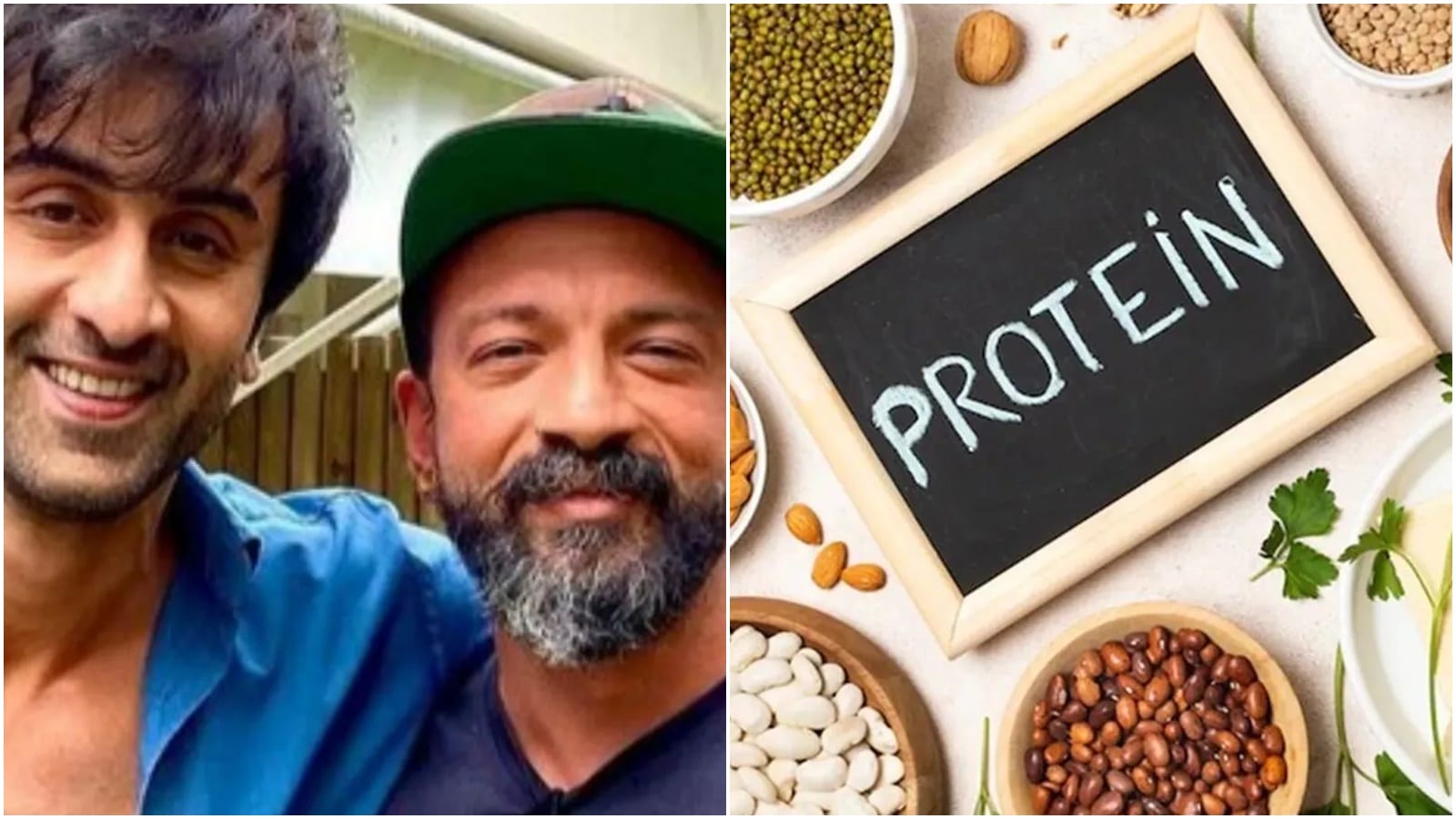
Shivohaam, fitness coach to Bollywood actor Ranbir Kapoor, emphasizes a broad understanding of protein. He notes that many associate protein solely with animal products like chicken or eggs. However, during a year-long vegetarian commitment, he discovered the diverse protein sources available in plant foods. “Protein consists of 20 amino acids, of which nine are essential for the body. While our bodies can produce the other 11 amino acids, we need to obtain essential ones from our diet,” he shared on the Men’s Locker Room podcast.
Shivohaam also points out that rice, beans, nuts, and fruits provide ample protein. “Animal protein is considered ‘complete’ because it contains all nine essential amino acids. On the other hand, plant proteins are often incomplete, lacking one or more of these acids. However, traditional Indian meals like dal, sabzi, and chawal, when combined with a bit of curd, can provide a complete protein profile,” he explained.
Combining Plant-Based Proteins
To achieve a balanced intake of amino acids, it’s crucial to combine different sources of plant proteins throughout the day instead of relying on one food. Consultant dietitian Garima Goyal reinforces this idea, emphasizing that protein is vital for muscle repair, strength, and recovery after exercise. She states, “For active individuals, especially those involved in strength training, it’s essential to prioritize adequate protein intake. A well-structured vegetarian meal plan should focus on complementary sources such as lentils, chickpeas, beans, tofu, paneer, and various seeds.”
Smart Protein Choices
Vegetarian athletes often enhance their diets with fortified foods or specialized plant-based proteins to meet their nutritional needs effectively. Goyal mentions options like Greek yogurt, cottage cheese, quinoa, and nutrient-rich seeds (like chia and pumpkin), which can boost meal protein content without excessive calories or fats. For individuals with higher training demands, a professionally formulated plant protein supplement can also be beneficial, though whole foods should be the primary dietary focus.
Quality Over Quantity
It’s essential to remember that simply adopting a vegetarian diet does not guarantee improved health. The quality of food choices is crucial. “A diet that relies heavily on refined carbohydrates or processed vegetarian snacks can still lead to nutritional shortfalls,” warns Goyal. A well-planned, nutrient-rich vegetarian diet, when combined with regular exercise, can support optimal performance, recovery, and long-term well-being.
Conclusion
Transitioning to a vegetarian diet can align with personal values and preferences without sacrificing fitness goals. Success in maintaining health and physical performance calls for planning, variety, and a focus on nutrient-dense foods. With thoughtful choices, anyone can achieve their fitness aspirations while enjoying the benefits of a vegetarian lifestyle.
Story continues below this ad
DISCLAIMER: This article is based on information from public sources and experts we consulted. Always seek the advice of your healthcare provider before making any dietary changes.