The article traces the evolution of the battle royale genre, beginning with Minecraft Survival Games in 2012, introduced by Dennis Vaeride. This laid the groundwork for a wave of battle royale games, with PlayerUnknown’s Battlegrounds (PUBG) and Fortnite eventually dominating the space.
Brendan Greene’s PUBG, launched in early 2017, marked a turning point, drawing massive player engagement. Fortnite adapted from a different genre, embracing battle royale in 2017 and quickly skyrocketing in popularity due to its free-to-play model and innovative updates.
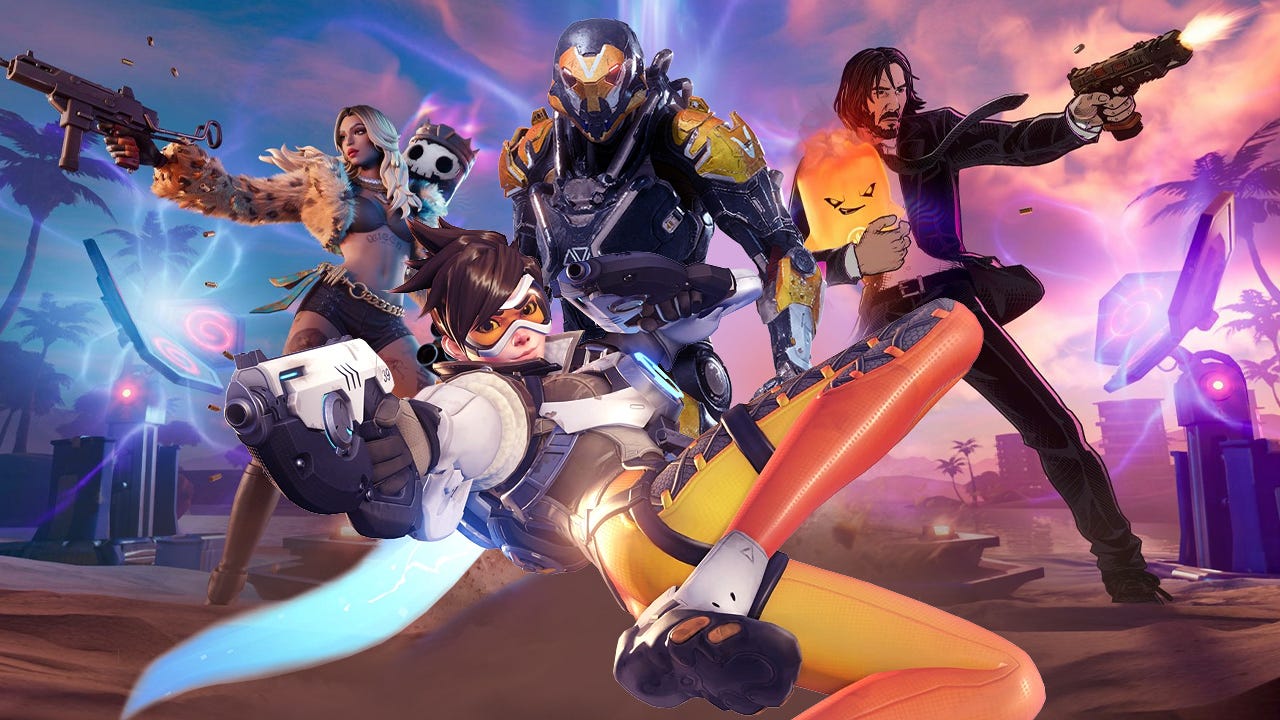
However, the article highlights the challenges of the live-service model, as seen in failed attempts by various studios to replicate success. The saturation of the market and the rise of competing titles made it hard for many games to gain traction. Failures like Anthem, which couldn’t maintain long-term player retention despite early sales, emphasize the difficulties in keeping a game’s momentum.
The narrative discusses the ongoing struggle within the industry, with pressure to innovate while maintaining profitability. It raises concerns about the future of live-service gaming, noting that while certain genres may wane, the underlying demand for microtransaction-driven experiences continues, posing existential questions about the industry’s direction and sustainability.