At-Home Microneedling: Your Guide to Safe, Effective Self-Care
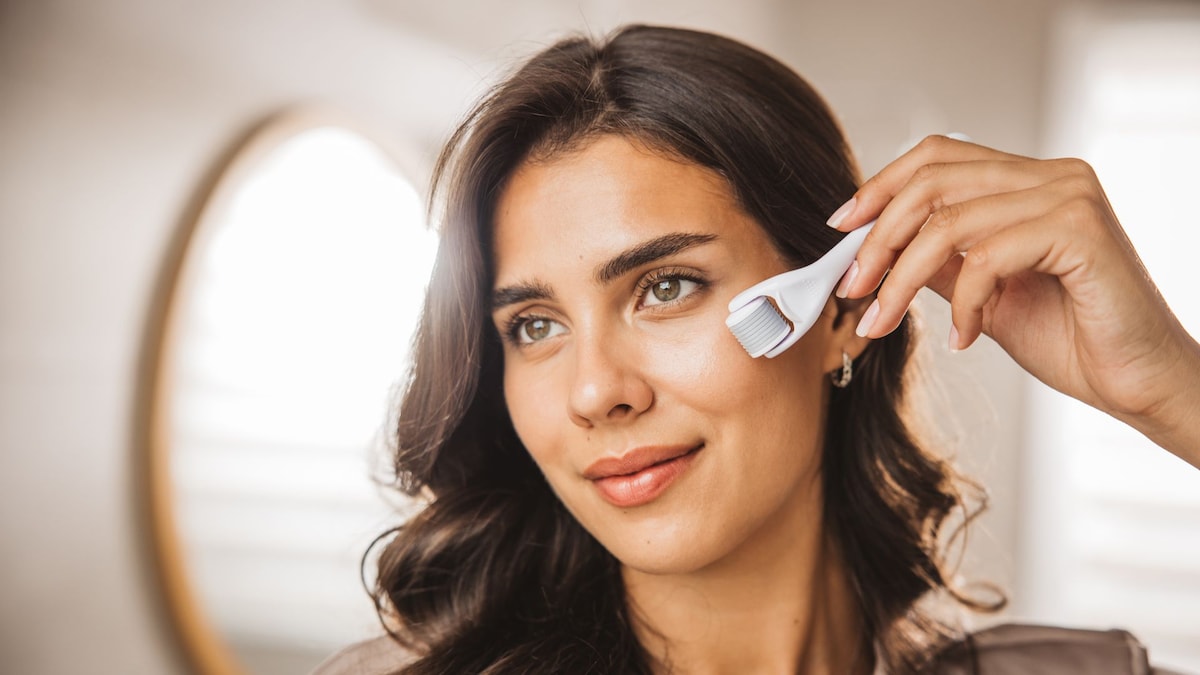
In recent times, at-home microneedling has emerged as a popular trend within the realm of DIY aesthetics, alongside devices like red light masks. This trend can be attributed to two influential factors: savvy consumers seeking smarter options and tighter budgets necessitating less frequent professional treatments. In this article, we’ll explore the ins and outs of at-home microneedling, covering practical tips, potential risks, and who stands to benefit most.
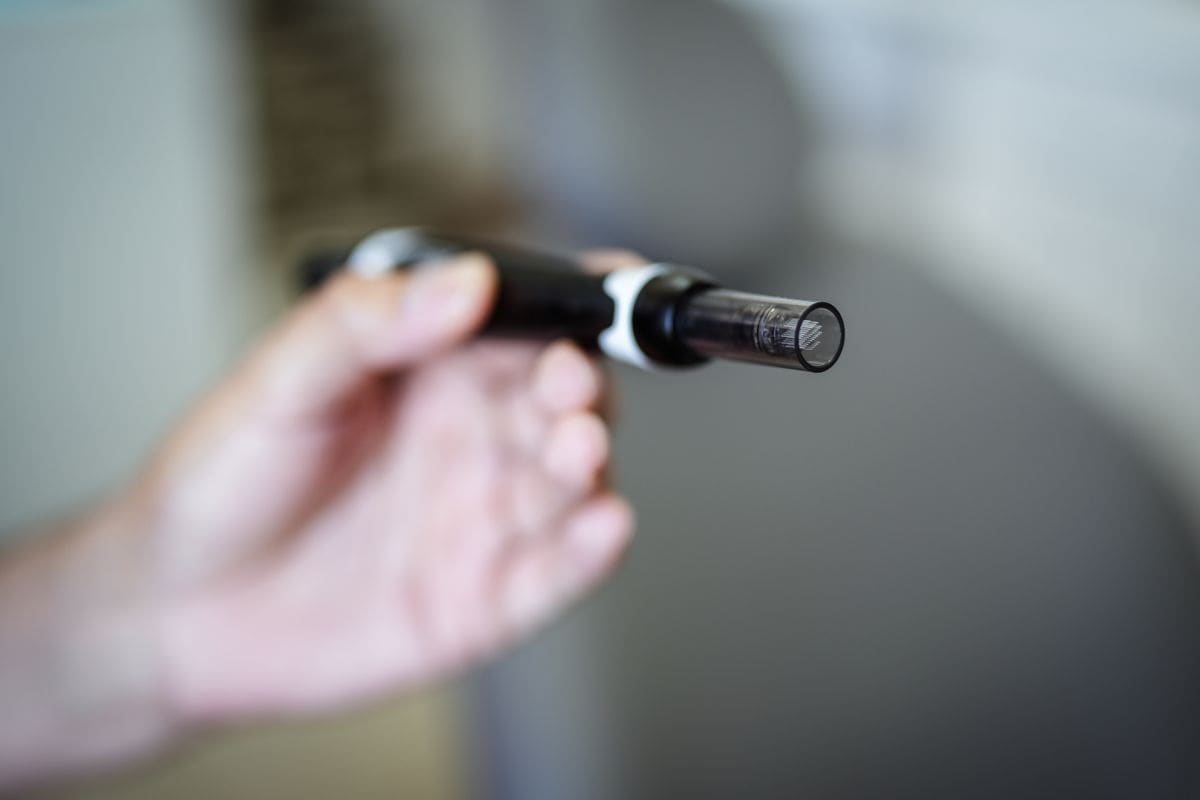
Giovanna McCarthy, founder of PDO Max and LoomEnvy Skincare, states that the average consumer is now much more informed about skincare products and techniques. However, she cautions against unsafe DIY extremes, such as individuals trying to perform advanced procedures without professional knowledge. “If you’re not medical, you shouldn’t be doing anything that could create an infection,” she emphasizes. Microneedling, if not done correctly, can indeed invite various complications.
The Future of At-Home Microneedling
Experts emphasize that at-home microneedling should focus on lower trauma and enhanced skin health. As McCarthy describes it, the aim is to prioritize “less trauma, more transformation.” The idea is to nourish the skin rather than aggressively treat it. Jaclyn Luongo, a licensed esthetician, shares this perspective, suggesting that effective at-home microneedling is about infusing supportive ingredients into the skin without causing excessive damage.
At-home microneedling is about controlled, shallow micro-channeling designed to help beneficial ingredients penetrate better without putting your skin at risk. The focus should be on gentleness and care rather than aggressive techniques that could lead to complications.
Safety First: Guidelines for At-Home Microneedling
Remember, at-home microneedling should be comfortable and should not cause extensive discomfort or redness. As McCarthy articulates, the technique is designed to target the epidermal layer, avoiding deeper layers that could lead to injury. Luongo supports this with the simple rule: “It should not be uncomfortable… it’s an infusion.”
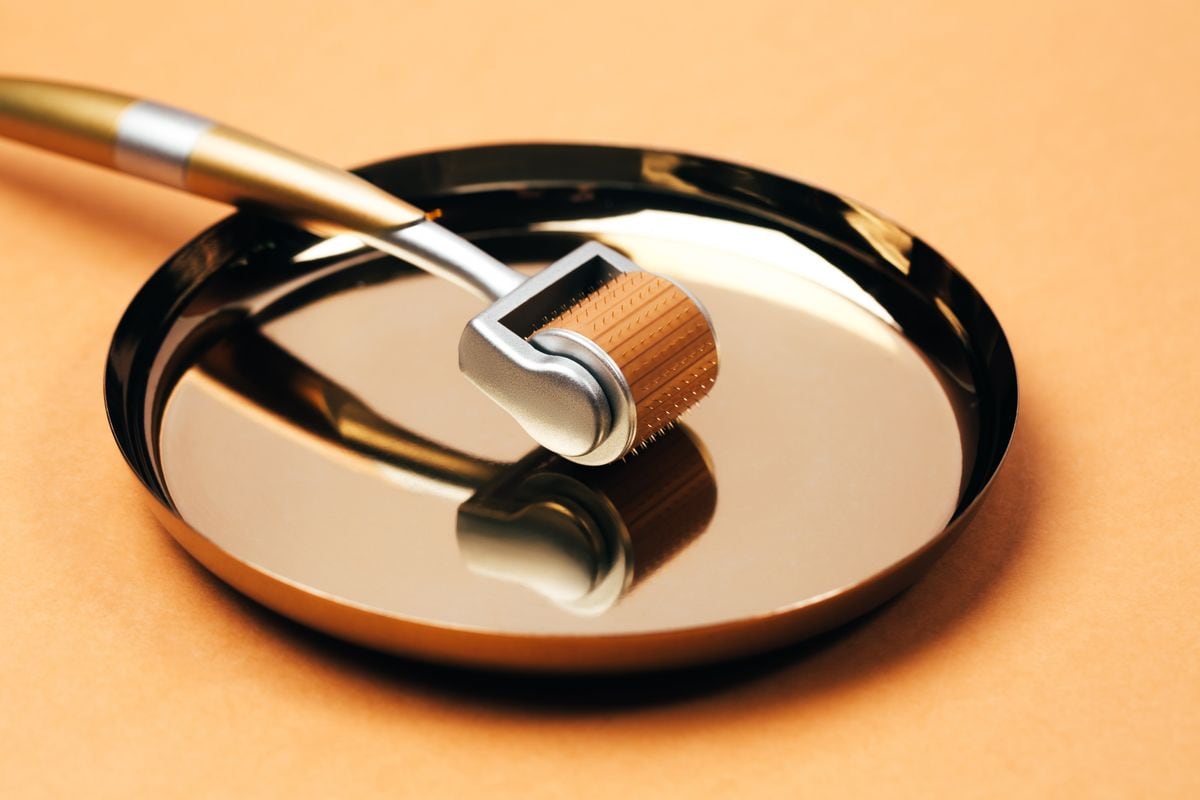
If you opt for at-home microneedling, aim for shallow and gentle techniques. Symptoms like bleeding and intense redness are not signs of efficacy — they indicate you’ve likely overdone it.
How to Microneedle Responsibly at Home
Here’s a straightforward framework for safe at-home microneedling:
- **Start with a Clean Routine**: Begin with a simple cleansing routine followed by applying serum to allow it to absorb.
- **Nighttime Application**: Plan your microneedling sessions for the evening to allow your skin time to recover overnight.
- **Avoid Harsh Ingredients**: Skip any active ingredients like glycolic acid for at least 24 hours post-treatment to promote healing.
- **Use Minimal Pressure**: Apply light pressure and simple techniques. It should feel like an infusion, not an invasion.
- **Remember, It’s Maintenance**: At-home microneedling is meant for upkeep, not as a substitute for professional treatments.
McCarthy asserts that at-home microneedling is about extending the time between professional treatments, not replicating them in your bathroom.
Who Should Consider At-Home Microneedling?
Individuals with dehydrated or stressed skin are likely to see the most benefits from at-home microneedling. McCarthy notes that those with the driest, most photo-aged skin can expect visible improvements. Users often report a bouncier and more supple feel post-therapy.
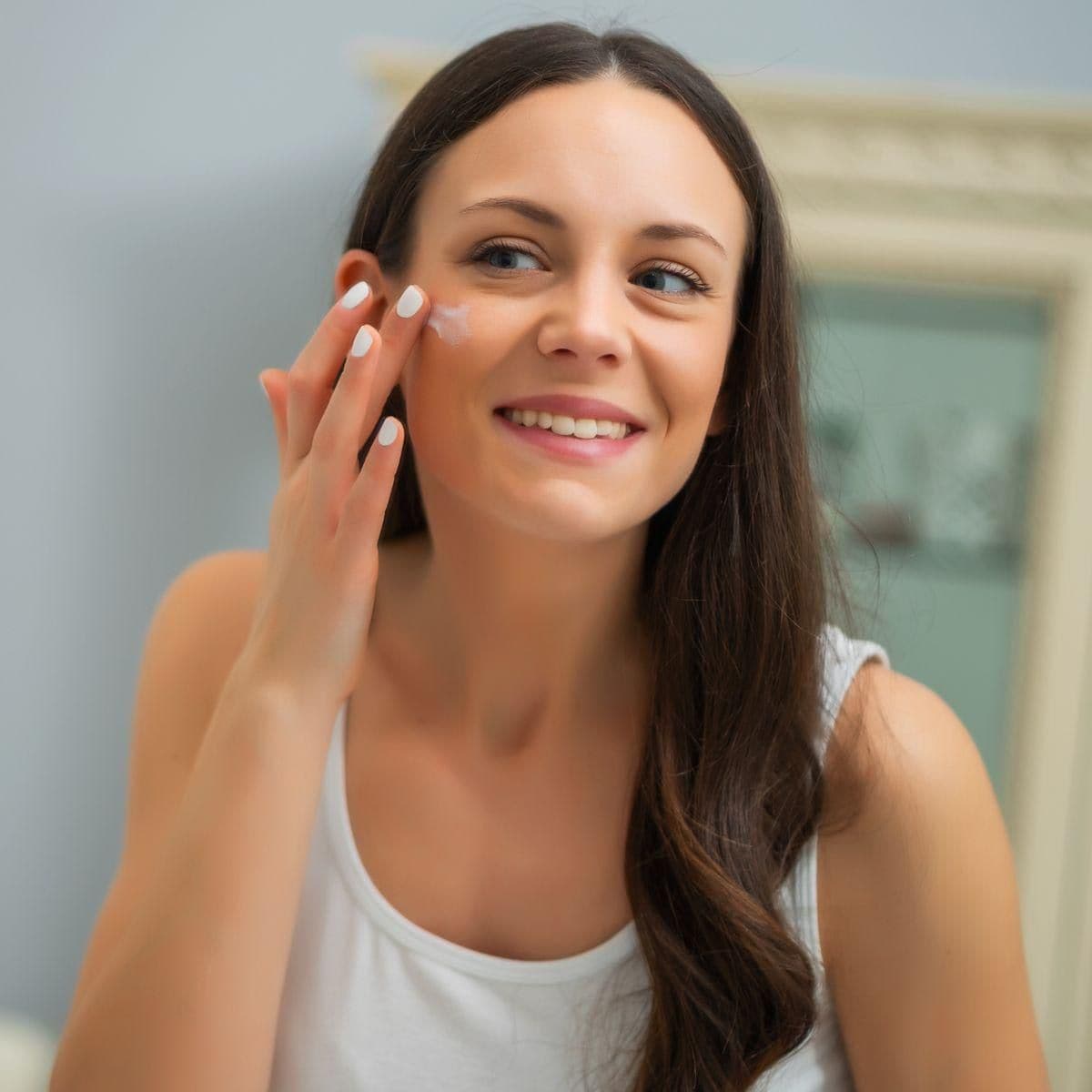
For those with well-hydrated, balanced skin, the changes may be subtler. In contrast, dry or dull skin often shows more pronounced benefits from the gentle micro-channeling coupled with hydration.
The New Standard: Simple and Consistent Regimens
The future of skincare isn’t about complex, multi-step routines. Instead, it revolves around maintaining a controlled and manageable skincare regimen. McCarthy and Luongo both emphasize that three to four basic steps are all that’s necessary for effective skincare.

At-home microneedling should remain a practice focused on gentle, consistent application to enhance hydration without overstepping boundaries.
Consulting Experts: A Note of Caution
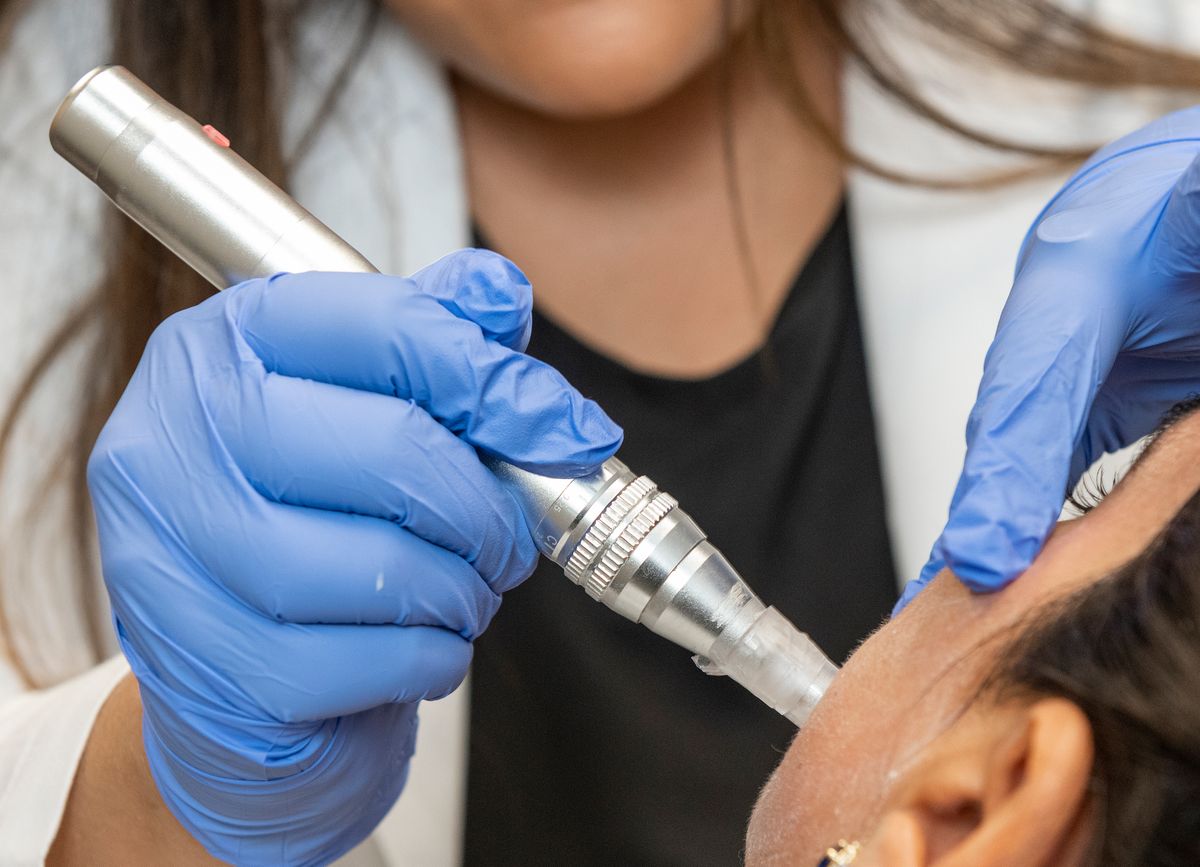
While at-home microneedling may be trendy, it’s crucial to approach it with caution. Dr. Maria Hurtado, an aesthetic physician, advocates for professional guidance due to the delicate nature of this procedure. She warns that performing microneedling at home involves risks, mentioning that it should be done in a controlled environment by a trained licensed professional.
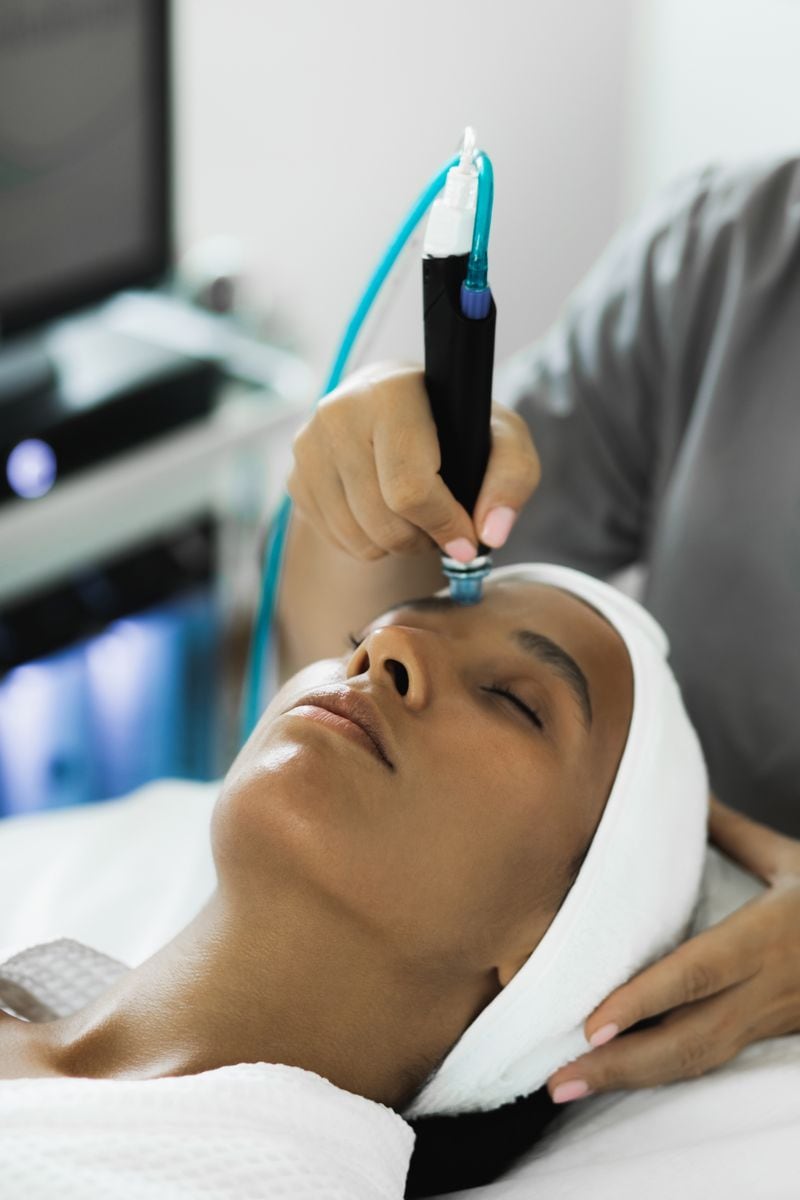
Hurtado emphasizes that misuse can lead to complications, and proper training is essential for safe and effective treatment. While the trend may be growing, it’s vital to weigh both the benefits and the risks carefully. Only you can decide if at-home microneedling is worth it for your skincare journey.
Conclusion
At-home microneedling offers an exciting opportunity for individuals looking to enhance their skincare routines. By following guidelines for safety and using gentle techniques, you can potentially enjoy benefits without the risk of professional procedures. However, always consider your skin’s unique needs and consult professionals when in doubt. The key takeaway is to prioritize self-care with caution and mindfulness, ensuring your skin health remains at the forefront.