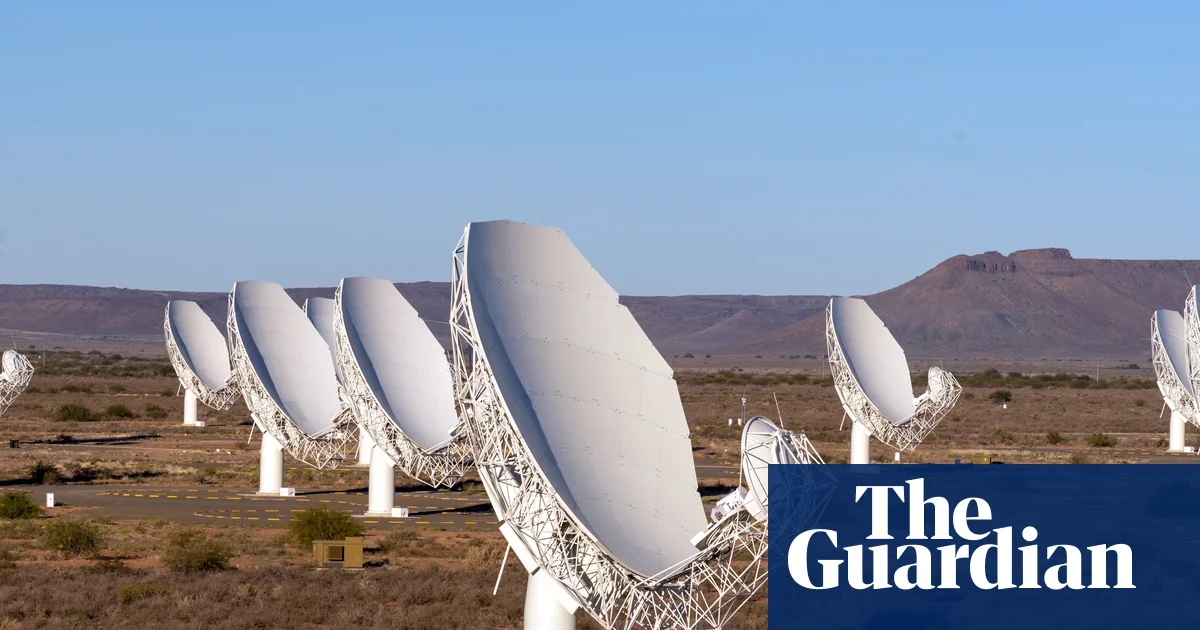
The recent detection of the most distant fast radio burst (FRB), dubbed FRB 20240304B, marks a significant milestone in astrophysics. Originating from a young, star-forming galaxy when the universe was approximately 3 billion years old, this burst of radio waves traveled over 10 billion years to reach Earth. This discovery was made using South Africa’s MeerKAT radio telescope and analyzed with data from NASA’s James Webb Space Telescope (JWST).
FRBs, first identified in 2007, can emit immense energy in milliseconds, comparable to what the Sun outputs over months or years. Scientists speculate on the origins of these bursts, with theories including their association with magnetars—neutron stars with intense magnetic fields. The implications of this latest discovery could enhance our understanding of cosmic matter and the conditions of the early universe, highlighting that FRBs may have been more prevalent during that epoch.
The ongoing research into these cosmic phenomena could provide insights into the fundamental structure of the universe, as they allow scientists to gauge the unseen matter along their path. The excitement within the astrophysical community surrounding FRBs lies in their potential as tools for understanding the universe’s evolution and composition.


