Movie Review: “NAZA”
In “NAZA,” a powerful documentary addressing the civilian casualties of Israel’s military operations in Gaza, the weight of state violence looms large. The film, named after the Hebrew acronym for collateral damage, delves into the grim reality of how many lives are deemed expendable in the pursuit of military objectives. Rather than shy away from the aftermath of destruction, “NAZA” engages directly with the systems and individuals that perpetuate this violence.
Directed by Yuval Abraham and Rachel Szor, who previously garnered an Oscar for “No Other Land,” the film includes insights from 24 Israeli soldiers and intelligence personnel. It lays bare the troubling normalization of mass violence, as interviewees swing from labeling their actions as genocide to distancing themselves from it. Throughout, “NAZA” stands firm, delivering a meticulous and impactful exploration of investigative journalism that casts a reflective gaze on the dehumanization rampant in contemporary society.
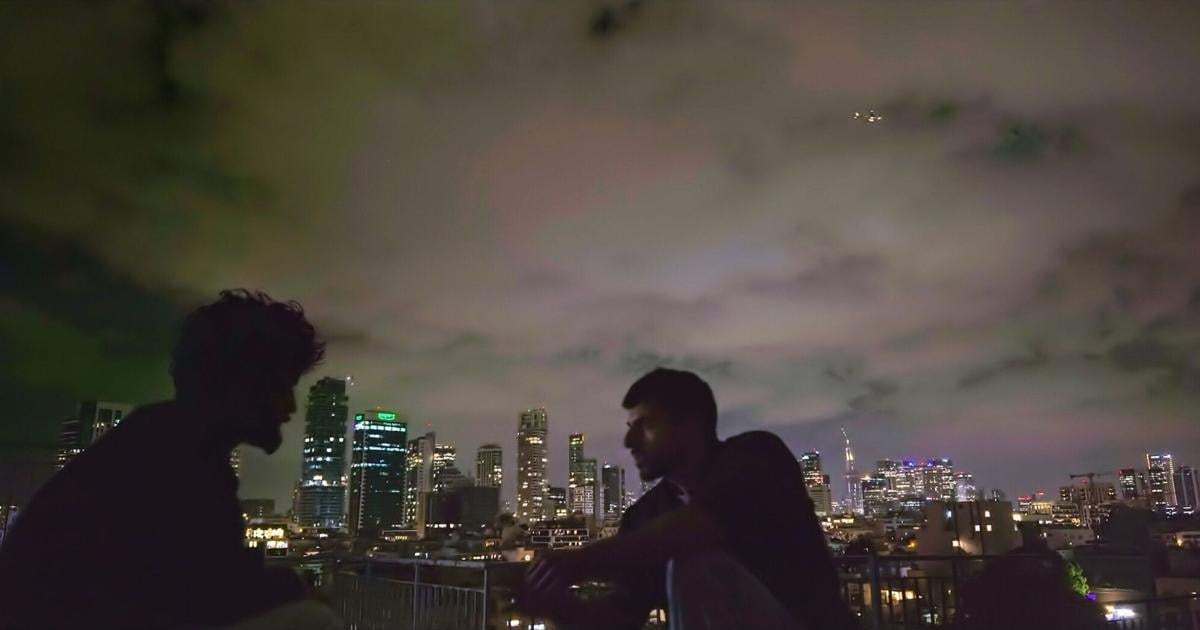
Every element of the documentary serves a purpose, compelling viewers to confront painful truths about violence similar to the way Joshua Oppenheimer’s “The Act of Killing” did years ago. The film features a mix of static interviews shot from rooftops in Tel Aviv and dynamic cityscapes that seem conspicuously tranquil amid the horrors discussed. The chilling juxtaposition of serene visuals with haunting admissions from military personnel amplifies the impact, intertwining the tranquility of night with the violent realities of warfare.
The film’s framing emerges as both a journalistic and cinematic triumph, pushing us to reckon with the ease with which societies, including our own, can become complicit in ongoing violence. The obscured identities of interview subjects, who rationalize their actions amidst discussions of widespread destruction driven by artificial intelligence, amplify the feeling of dread. Their rationalizations, though flimsy, generate a powerful narrative that underscores how state violence can become an accepted norm.
By the film’s conclusion, it becomes evident that this information is not unprecedented; journalists have long been documenting these events, often at great personal risk. Yet, this vital work frequently goes unrecognized or ignored, particularly by those in positions of power who could effect change. “NAZA” underscores the urgent need to confront such realities to understand not just the logistics of violence, but the systemic indifference allowing it to persist. It leaves us with a pressing question: Why do all of us allow this to happen?