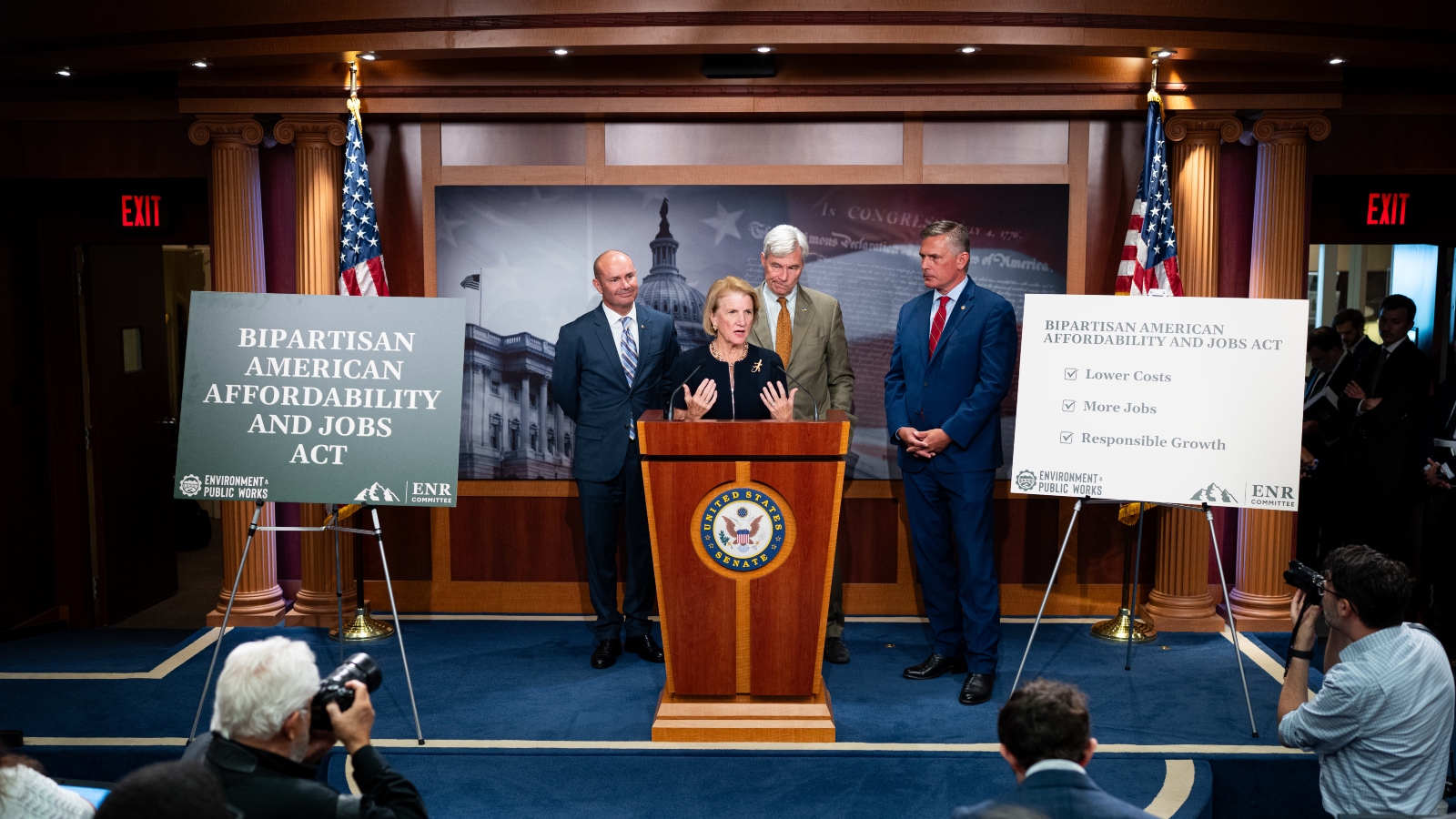
The debate surrounding climate change strategies has created a divide in the movement between those focused on stopping fossil fuel use and those advocating for the expansion of clean energy. This rift was highlighted by the introduction of the Bipartisan American Affordability and Jobs Act (BAAJA), which aims to expedite the construction of power plants and energy infrastructure but weakens critical environmental protections.
Key Points of the Debate:
-
Two Camps:
- Blockers: Activists and environmentalists focused on halting fossil fuel developments.
- Builders: Renewable energy firms and policymakers pushing for more clean energy projects.
-
Impact of BAAJA:
- Supporters’ Argument: Building clean energy infrastructure is essential, even if it involves temporary fossil fuel projects, to transition away from carbon emissions.
- Opponents’ Concerns: The bill threatens marginalized communities and ecosystems, with fears of sacrificing local interests for overall environmental goals.
-
Government Negotiations:
- The BAAJA emerged from a bipartisan Senate negotiation, balancing the interests of both fossil fuel proponents and clean energy advocates.
-
Environmental Protections:
- Critics argue the bill would hinder legal actions that protect communities and endangered species by shortening litigation timelines and limiting regulatory power.
-
Long-term Consequences:
- The possibility of locks on future fossil fuel projects raises fears that increased clean energy development might not sufficiently counterbalance emissions from new gas pipelines.
-
Political Dynamics:
- With midterm elections approaching, the fate of BAAJA is uncertain, as some lawmakers believe a better deal could be achieved if Democrats gain seats.
Conclusion:
The division within the climate movement reflects a complex challenge: balancing the urgent necessity to build renewable energy while safeguarding vulnerable communities. The consensus on necessary compromises may lead to innovative solutions, but the risk of compromising critical environmental protections remains a pressing concern.


