President Trump Takes Steps to Address Rising Fuel Prices
President Donald Trump is implementing measures aimed at reducing fuel prices, which have risen significantly, affecting American families and businesses. However, taxpayer advocates caution that temporary relief won’t suffice without comprehensive regulatory reform.
Temporary Use of Red-Dyed Diesel
One significant action by the administration allows the temporary use of red-dyed diesel—traditionally reserved for agricultural and off-road vehicles—in highway vehicles. This is part of a broader initiative that includes seeking diesel tax relief and encouragement for international partners to release emergency energy reserves.
According to Brandon Arnold, executive vice president of the National Taxpayers Union, red-dyed diesel is generally cheaper than conventional diesel—40 to 60 cents less per gallon. However, the effectiveness of this measure depends on whether retailers will offer it to highway drivers.
Arnold believes it could help lower prices modestly during these challenging times.
Broader Regulatory Challenges
Despite these measures, Arnold warns that they do not address deeper issues like the country’s refinery capacity and supply constraints. He particularly highlights the outdated Jones Act, which imposes restrictions on shipping between U.S. ports, potentially driving up transportation costs for fuel.
Arnold supports expanding previous waivers Trump issued for the Jones Act, facilitating more flexible shipping options and potentially easing supply issues.
Renewable Fuel Standards and Infrastructure Permitting
Arnold also criticizes the Renewable Fuel Standard, which mandates the blending of certain biofuels into gasoline, suggesting that eliminating or scaling back these requirements could lead to lower costs for consumers—estimated up to 30 cents per gallon, depending on market dynamics.
Regarding energy infrastructure development, Arnold emphasizes the necessity of reforming the federal permitting process, allowing for quicker approval of energy projects. Recent bipartisan congressional efforts aim to streamline such processes to enhance domestic energy production.
A Path Forward
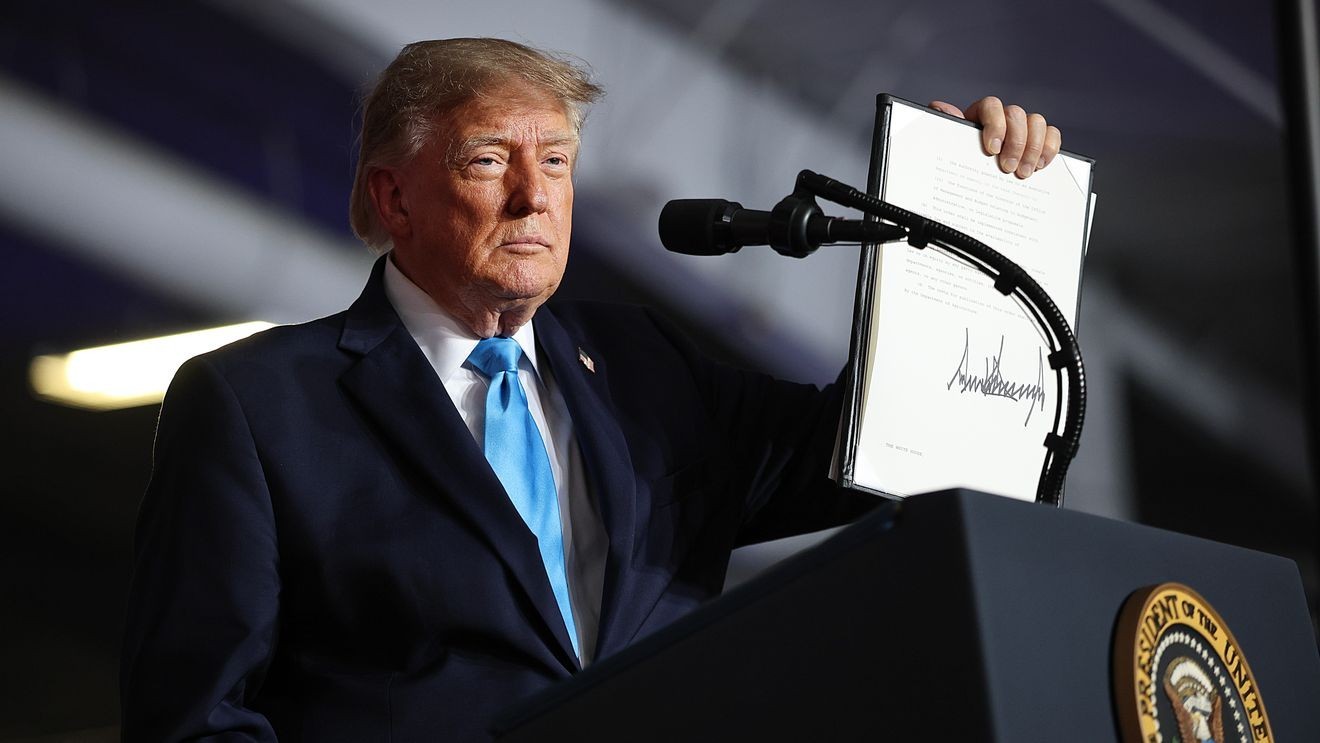
While Trump’s recent executive order showcasing immediate actions—like deferring diesel excise taxes—offers temporary relief, Arnold asserts the need for long-term solutions that involve infrastructure expansion, regulatory adjustments, and introducing flexibility in fuel blending mandates.
He advocates for a cooperative effort between Congress and the administration to enhance energy availability and help Americans cope with rising fuel costs effectively.


