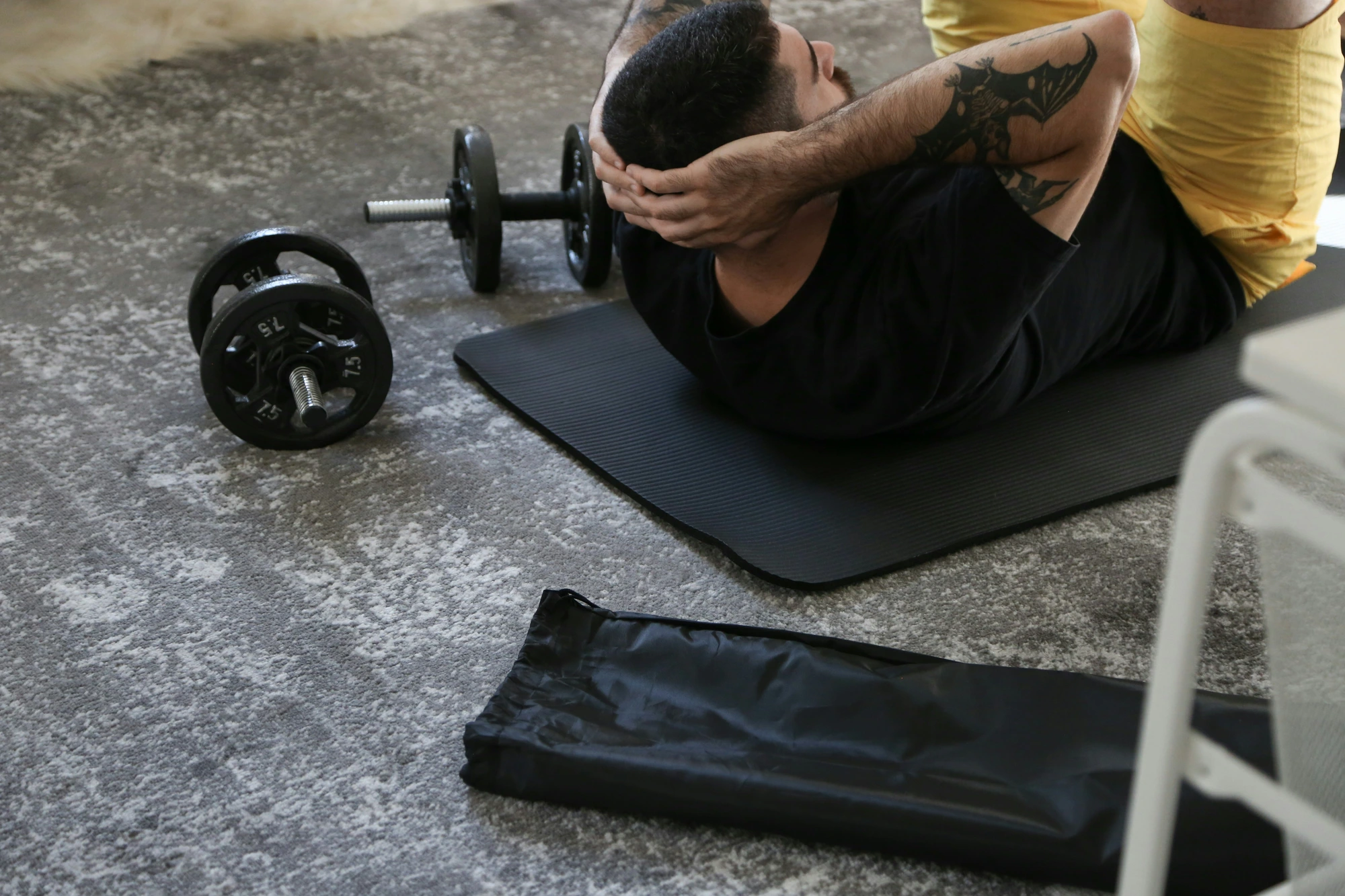
Uscreen’s Survey Highlights Fitness Challenges: Time and Motivation as Key Barriers
Setting fitness goals often comes with high hopes, yet many individuals struggle to maintain their commitments. A recent survey by Uscreen provides insight into the common obstacles that hinder consistent engagement with fitness routines.
The survey, which included 1,257 American adults, delves into the ongoing challenges people face in sticking to their fitness objectives. Despite the fact that 82 million Americans are projected to contribute $60 billion to health and fitness by 2026, the survey revealed that a significant 30% of respondents had failed to adhere to their previous goals.
Interestingly, about 22% of participants expressed intentions to set new fitness goals for the upcoming year, indicating an enduring desire for self-improvement even in the face of setbacks.
The primary barriers identified were a lack of time, motivation, and access to resources. Cara Metz, a fitness content creator, emphasizes the importance of planning and flexibility, particularly during busy seasons like the holidays. “Even brief, manageable workouts or family activities can sustain momentum,” she notes, adding that setting realistic goals is crucial to avoid burnout.
Adherence to fitness goals varied among different demographics. The survey found that 42% of adults aged 18 to 34 struggled to maintain their fitness routines during the holiday season, contrasted with 34% of those aged 35 to 54 and 43% of individuals over 55 who achieved success.
Life’s challenges are particularly prominent for parents; 77% of surveyed parents with children under 18 reported facing obstacles that hinder their ability to transform resolutions into lasting habits.
Uscreen suggests that embracing digital fitness content and online communities may provide essential support for overcoming these barriers. Notably, 32% of Americans indicated that convenience and access to exclusive materials would motivate them to pursue online fitness programs.
The brand’s Digital Fitness Membership Report highlights a 41% growth in hybrid fitness between 2020 and 2022, with many users favoring a balanced mix of in-person and digital workouts.
While only 14% of holiday spending was directed towards digital fitness content, as opposed to 51% on apparel, 38% on at-home equipment, and various other categories, Uscreen noted a substantial average engagement of 16 months among subscribers. This suggests that online memberships can have a profound and lasting impact on fitness consistency.
Additionally, 23% of Americans indicated that at-home workouts would entice them to engage with an online program, while 9% showed interest in exclusive content like community challenges.
The burgeoning digital fitness landscape aims to make exercising accessible to a wider audience, especially those who prefer at-home routines or may not have time for traditional gym visits. Activewear brand Alo’s recent decision to offer its digital fitness app for free, featuring a diverse range of classes from Pilates to mindfulness, exemplifies this trend.
Furthermore, a partnership between F45 and iFIT has integrated high-intensity functional training with immersive digital workout capabilities, resulting in innovative, customizable content available beyond the physical studio setting.
In conclusion, while obstacles to achieving fitness goals remain prevalent, the rise of digital solutions offers new ways for individuals to stay motivated and engaged. Whether through online programs, community support, or flexible workout options, modern fitness enthusiasts have more tools than ever to help them succeed in their health journeys.