This article highlights the importance of cultural institutions in Miami’s growth and identity. The author, a Miami native, reflects on the city’s evolution since the 1970s, arguing that while Miami has developed a modern skyline, it lacks the cultural infrastructure needed to be truly world-class.
Key Points
-
Historical Context: Miami has undergone significant changes over the decades, marked by economic events and cultural shifts, but has yet to fully invest in cultural institutions.
-
Cultural vs. Economic Growth: The author posits that true city growth is reflected in cultural offerings—museums, theaters, gardens—rather than just economic development or skyscrapers.
-
Comparative Cities: Citing examples like New York and Paris, the piece argues that these cities became iconic through their cultural landmarks, not just their wealth.
-
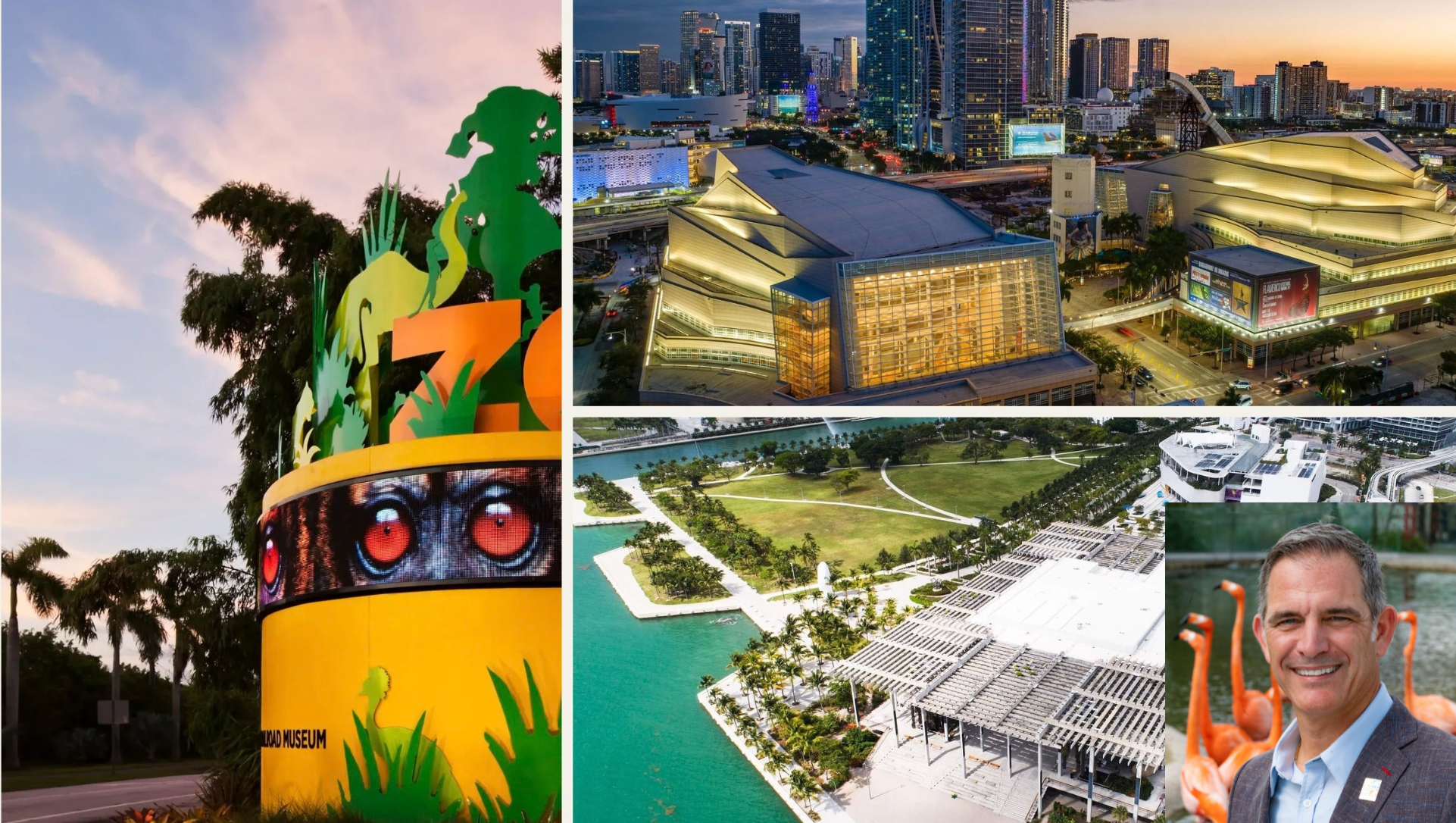
Current State: Miami is in an “in-between moment,” having the capital and attention but lacking in cultural infrastructure. Institutions like the Pérez Art Museum and Adrienne Arsht Center are steps forward, but more is needed.
-
Long-term Investment: The piece underscores the need for investments in cultural institutions that may not yield immediate returns but are crucial for future generations.
-
Call to Action: The author encourages Miamians—both locals and newcomers—to collectively invest in the city’s cultural future to ensure it evolves into a vibrant, diverse metropolis.
Conclusion
The article serves as a passionate reminder that a city’s true worth and identity emerge from its cultural soul, not just its economic prowess. The author hopes future generations will inherit a Miami rich in culture and diversity.