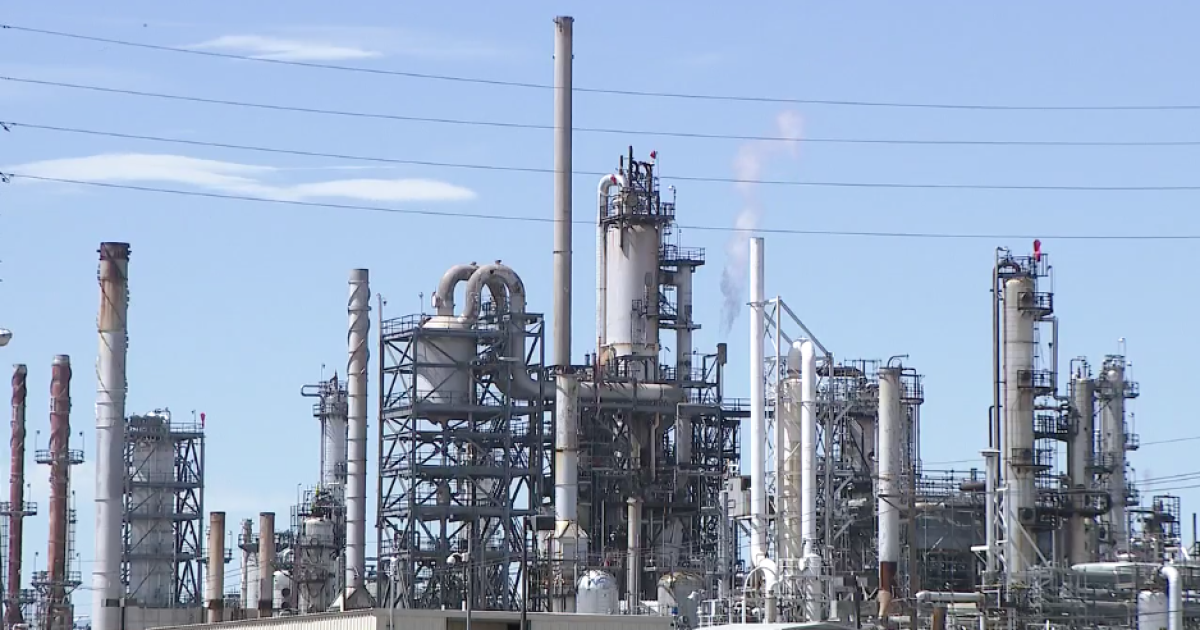
The case Suncor Energy Inc. v. County Commissioners of Boulder County has significant implications regarding climate change litigation and state authority. Ultimately, the U.S. Supreme Court is tasked with determining whether federal law can impede state lawsuits that seek to address local damages attributed to climate change, specifically in this instance involving Boulder, Colorado.
Key Points:
-
Background of the Case:
- Boulder filed a lawsuit in 2018 against Exxon Mobil and Suncor Energy for contributing to climate change and misleading the public about fossil fuels’ impacts. They aim to recover millions spent on disaster relief for events like wildfires and floods.
-
Positions of the Parties:
- Boulder argues that local governments should be able to hold corporations accountable for climate-related damages.
- Suncor and Exxon Mobil contend that climate change is a federal issue due to its cross-state repercussions, arguing it’s inappropriate for state courts to adjudicate such cases.
-
Potential Outcomes:
- If the Supreme Court sides with the energy companies, Boulder’s lawsuit could be halted.
- If it favors Boulder or if the justices are evenly split, the case will continue in Colorado’s local courts.
-
Legal and Social Implications:
- This case may set a precedent for similar lawsuits across the U.S. aimed at holding corporations accountable for environmental damage.
- Concerns about corporate influence on the court and the legitimacy of its processes are heightened, especially considering Justice Samuel Alito’s recusal due to potential conflicts.
-
Historical Context:
- The legal strategy mirrors previous litigations against industries such as tobacco and opioids, aiming to address large-scale corporate misconduct that impacts local communities.
The decision will signify not only a pivotal point for Boulder but also for the broader legal landscape around environmental accountability.


