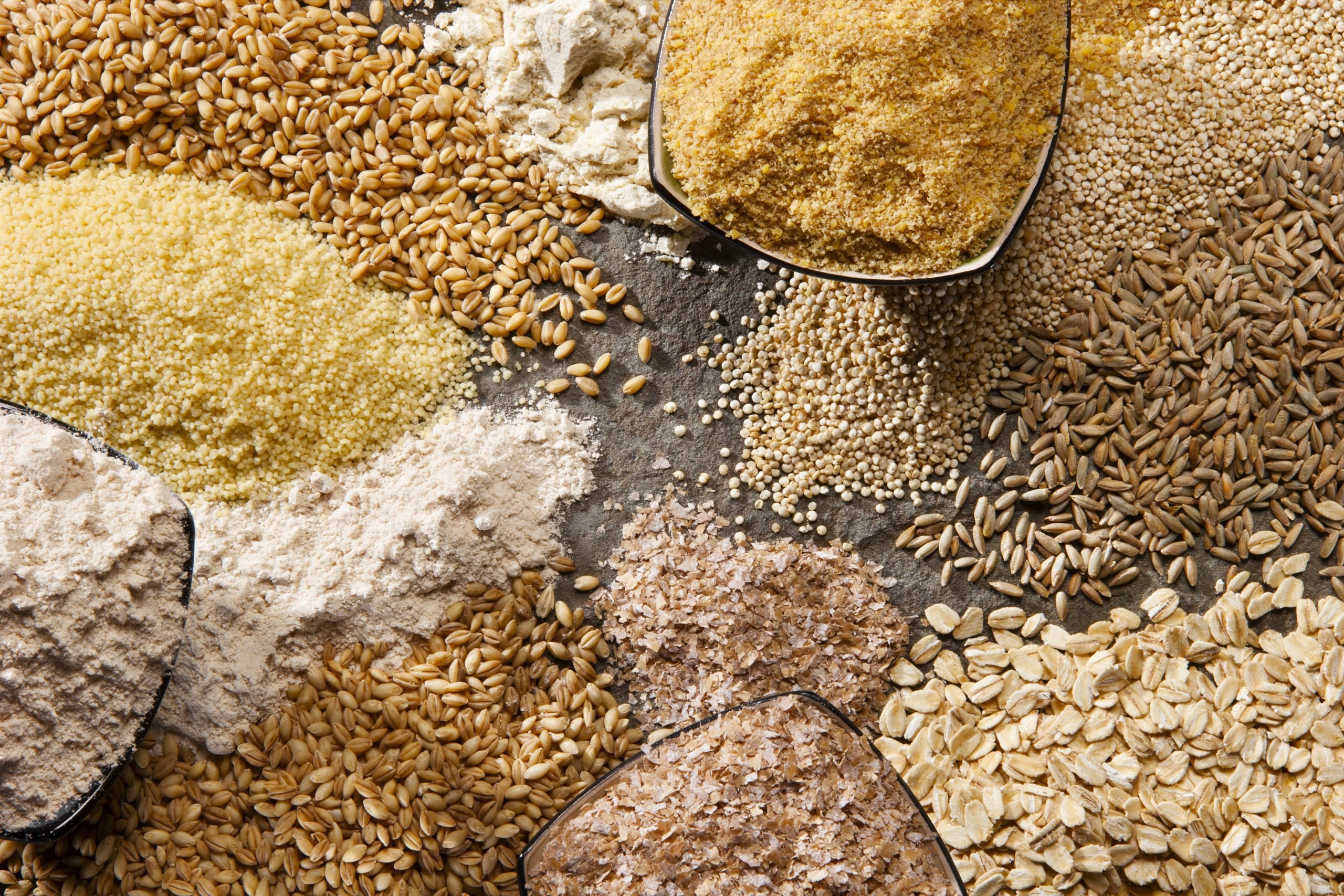
Carbohydrates often receive a bad rap, but completely cutting them out of your diet is typically not the best approach for overall health. Research indicates that whole grains can offer protection against certain health issues, and there’s a good reason why both potato and potassium share the same initial letters!
Recent studies reveal that specific types of carbohydrates can actually assist with weight loss and improve insulin sensitivity, particularly one category that shows a significant impact.
A specific group of carbohydrates, known as FODMAPs, has been associated with worsening various gut-related issues and may hinder weight loss efforts. FODMAP stands for “fermentable oligosaccharides, disaccharides, monosaccharides, and polyols,” as outlined by the Cleveland Clinic. In simpler terms, FODMAPs are foods that ferment within the colon.
According to the Cleveland Clinic, high-FODMAP foods include cauliflower, apples, beans, lentils, pistachios, yogurt, asparagus, garlic, and many others often considered healthy. In contrast, low-FODMAP options include eggplants, eggs, cantaloupe, walnuts, among others.
While some experts recommend that those suffering from irritable bowel syndrome (IBS) or similar stomach conditions should avoid high-FODMAP foods, a new study suggests this may not apply to individuals without these chronic gastrointestinal disorders. A team of medical researchers from China discovered that avoiding these foods could actually be detrimental, particularly for those who are pre-diabetic, struggling with insulin sensitivity, or dealing with excess weight. The FODMAP category encompasses many nutritious foods rich in fiber and probiotics, which could promote weight loss.
Published in the journal Nutrients on December 11, 2023, the study explored the effects of these foods on individuals with pre-diabetes, a condition characterized by early signs of metabolic changes that may lead to type-2 diabetes. Contrary to common advice to avoid these foods entirely, the study indicated that pre-diabetic individuals should actually think about adding certain carbohydrates to their diets to help prevent further health issues. Certain foods within the FODMAP diet that are often shunned showed promising results in enhancing insulin sensitivity and glucose tolerance, while also aiding in weight management.
The research involved 177 participants, averaging 60 years of age, all diagnosed with impaired glucose tolerance, indicating pre-diabetes. Remarkably, all participants were otherwise healthy and had no prior history of diabetes or use of weight loss medications.
Through a three-day dietary survey and other assessment tools, the research team evaluated typical food intake patterns among participants and correlated them with body composition, insulin sensitivity, and other relevant markers.
The findings implied that pre-diabetic individuals without IBS or digestive issues should consider incorporating fermentable carbohydrates into their meals. Those who consumed higher levels of these carbohydrates usually exhibited a lower body mass index (BMI) compared to those adhering to a low-FODMAP diet. Notably, the strongest link between insulin sensitivity and weight loss was identified with a specific subset of FODMAPs—namely, galactooligosaccharides.
Foods rich in galactooligosaccharides include:
- chickpeas
- lentils
- cashews
- pistachios
- broccoli
- Brussels sprouts
Impressively, the health benefits of these foods were found to be consistent, regardless of the participants’ levels of exercise, overall nutrient intake, or fiber consumption.
It’s also significant that a daily fiber intake of 16 grams or more was associated with healthier weight and lower obesity rates; however, the researchers speculated that additional factors beyond fiber may have contributed to the favorable outcomes seen in individuals consuming foods high in galactooligosaccharides. Specifically, the fermentation process in the body produces short-chain fatty acids, which may promote sensations of fullness and satiety through the production of substances such as GLP-1.
While weight loss is essential for those who are overweight or at risk of becoming pre-diabetic—often achieved through low-carb diets—researchers caution against entirely avoiding beneficial, high-fiber carbohydrates. “Our findings suggest that FODMAPs could serve as a valuable dietary approach to preventing or managing diabetes beyond merely calorie restriction and low-carb diets,” the study concluded. As always, it’s advisable to consult with a healthcare professional before making significant changes to your diet.