Overview of AU-EU Partnership on Research and Innovation
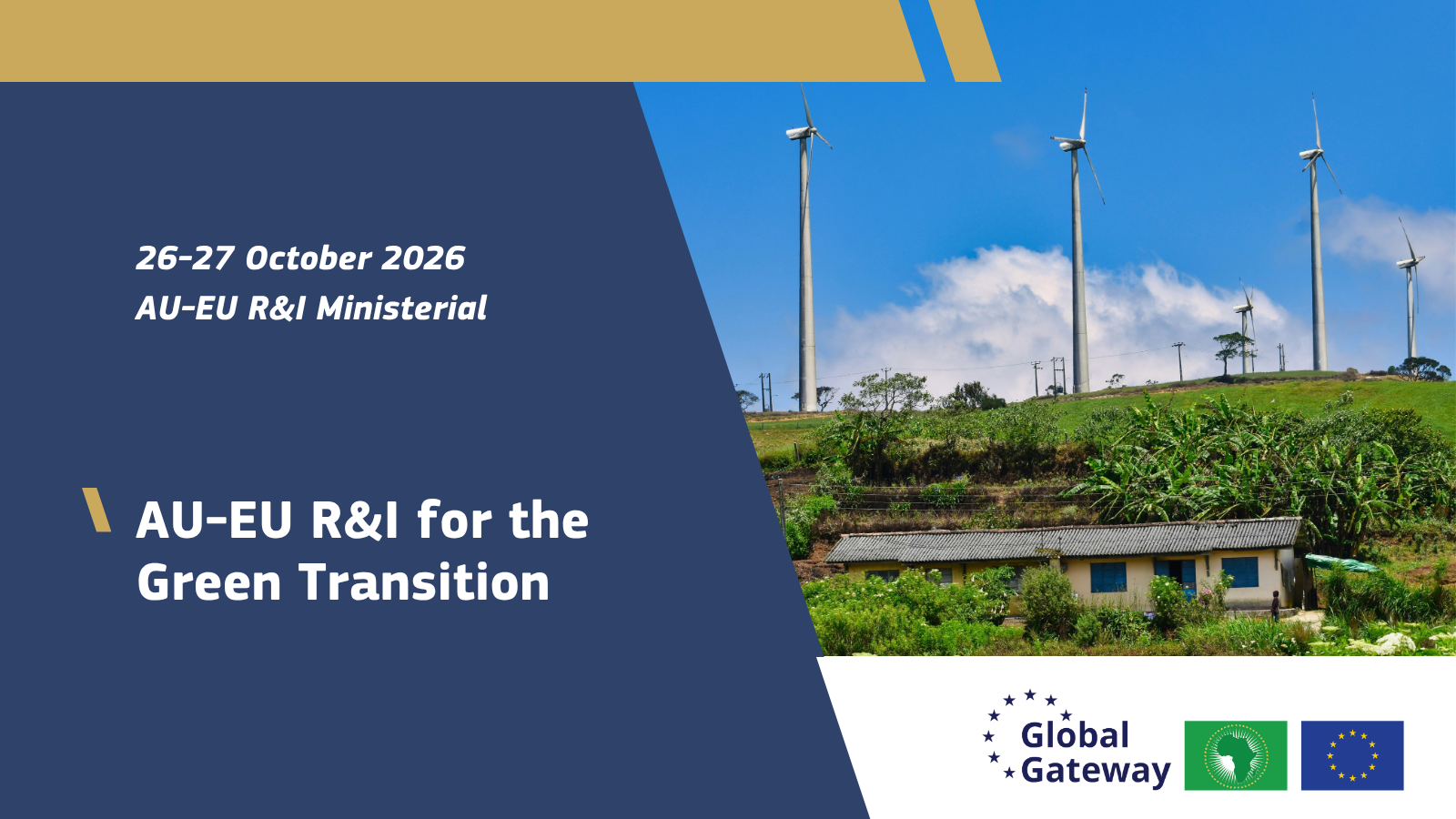
As we approach the II AU-EU Ministerial on Research and Innovation (R&I) scheduled for 27 October 2026 in Addis Ababa, it’s essential to highlight key achievements in the African Union (AU)-European Union (EU) Partnership on Science, Technology, and Innovation (STI), particularly under the pillar of Green Transition.
FNSSA: Food and Nutrition Security and Sustainable Agriculture
-
Partnership Overview: FNSSA marks the first priority in the AU-EU High Level Policy Dialogue on STI, aiming to enhance access to nutritious food while raising incomes and supporting rural development in alignment with the UN 2030 Agenda.
-
Activities and Impact:
- Launched the International Research Consortium to boost coordination amongst African and European entities.
- Identified 731 projects, with a rigorous review of 267 projects amounting to nearly EUR 1 billion.
- Focus areas include:
- Sustainable Intensification: 61% of budgets (EUR 575 million)
- Agriculture and Food Systems for Nutrition: 18%
- Other key areas account for roughly 10% each.
-
Participation and Future:
- Engaged 2,363 participants from 52 African and 27 European countries.
- Notably, there’s lower participation from farmers, which signals an area needing more focus.
-
Next Steps: A renewed roadmap for 2027-2036 is set to be endorsed at the upcoming ministerial meeting.
CCSE: Climate Change and Sustainable Energy
-
Focus of the Partnership: This partnership targets sustainable energy through renewable sources and combines climate action with adaptation and disaster risk reduction.
-
Achievements Since 2017:
- Funded around 90 projects with investment nearing €600 million.
- Significant rise in the number of funded projects, underlining growing collaboration.
Sustainable Energy:
- The LEAP-RE and LEAP-SE programs mobilized over EUR 50 million through four calls since 2021.
- 47 projects engage over 270 organizations focusing on locally relevant solutions like smart grids and green hydrogen, showcasing a scalable impact.
Climate Change:
-
Over 70 African entities from 23 countries have participated in translating climate science into actionable insights.
-
Developments include tailored climate services aiding local communities with agro-weather forecasts and early warning systems.
-
Future Initiatives:
- Launching initiatives like Climate Services for Risk Reduction in West Africa and developing a €30 million Horizon Europe pan-African climate co-fund.
Conclusion
The AU-EU research and innovation partnership has made substantial progress, fostering collaboration across continents to address critical global challenges. The upcoming Ministerial on R&I promises to further these initiatives, refine roadmaps, and strengthen commitments for a sustainable future.
For additional details and updates on achievements, visit the AU-EU Partnership.


