 Investing in high-risk assets can yield substantial returns when market conditions are favorable. In times of economic abundance, the layers of liquidity often obscure the lurking dangers beneath the surface. Irresponsible investors can prosper. However, when market conditions change, caution becomes essential.
Warren Buffett famously noted in 2001, “You only find out who is swimming naked when the tide goes out.” The DOW has experienced a downturn of nearly 2,000 points since mid-May, indicating that the retreating tide may soon reveal numerous unprepared investors.
This situation implies that large hedge funds or pension funds may soon find themselves vulnerable. Billionaire David Einhorn, for instance, is facing significant losses with his Greenlight Capital hedge fund, which is reportedly down nearly 15 percent in 2015. With markets cooling, the evidence of risk becomes increasingly apparent.
It’s not just hedge funds that are exposed. Pension funds, in their pursuit of higher yields, have engaged in similarly risky ventures, largely out of necessity.
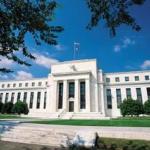
The Federal Reserve has artificially suppressed Treasury yields for over 80 months, forcing pension fund managers to migrate away from safer assets. This shift has resulted in a reliance on riskier investments to achieve their funding goals.
Misguided Strategies
As a result, pension funds are now facing the unsettling prospect of a declining market. Consequently, millions of retirees who have diligently contributed to these funds might be inadvertently exposed to significant financial risks. Reuters outlines the potential fallout:
“According to data from the Federal Reserve, state and local public pension funds hold nearly $4 trillion in assets, with over 70 percent exposed to equities and other high-risk options, including commodities and hedge funds. States with significant pension funding deficits, like Illinois, are particularly at risk.”
“In the aftermath of the financial crisis, many public pension funds have significantly increased their investments in hedge funds and alternative high-risk assets to meet lofty return expectations. Most funds anticipate annual returns of 7-8 percent, according to a May report from the National Association of State Retirement Administrators. These investments can suffer severe declines when stock markets falter.
“Simultaneously, they have reduced their allocations in safer assets, such as U.S. government bonds and lower-risk fixed-income securities, which are not projected to deliver substantial returns in the near future.”
This scenario highlights a critical cause-and-effect relationship. The Federal Reserve’s aggressive monetary policies, aimed at revitalizing the economy, have inadvertently nudged pension funds further out onto a precarious ledge. A significant downturn in the stock market could obliterate over $10 trillion in accumulated wealth, accrued over lifetimes of hard work.
Good Riddance
Despite a brief rally in the stock market midweek, the overall trend appears to be downward. Investors are rapidly divesting from stocks at a record rate. The memory of previous market crashes is fresh, prompting many to sell before it’s too late.
As of this writing, the CNN Money Fear & Greed Index indicates severe fear among investors. July and August marked the first two consecutive months since late 2008 when retail investors withdrew funds from both stock and bond markets. This September began with stocks experiencing their worst performance in 13 years.
There is no denying that the tide is pulling back. Moreover, it appears that this shift is unstoppable. Rather than resist, perhaps it’s wiser to step aside and accept the change with optimism.
The central banks’ policies of rampant monetary debasement are unsustainable. If they continue, they face inevitable consequences. Stocks, inflated by an ongoing influx of Federal Reserve support, cannot rise indefinitely. Similarly, government deficits cannot continue to accumulate without end.
As Herbert Stein once said, “If something cannot go on forever, it will stop.” While pinpointing the exact moment of this fundamental shift may remain elusive, we can certainly observe that its approach is imminent.
Good riddance.
Sincerely,
MN Gordon
for Economic Prism