
9 min read
Whether you’re a seasoned fitness enthusiast or just starting out, understanding effective workout strategies is crucial for reaching your goals. Among the many options available, one standout method is the push-pull workout. This technique not only targets your entire body but also promotes muscle recovery and overall efficiency.
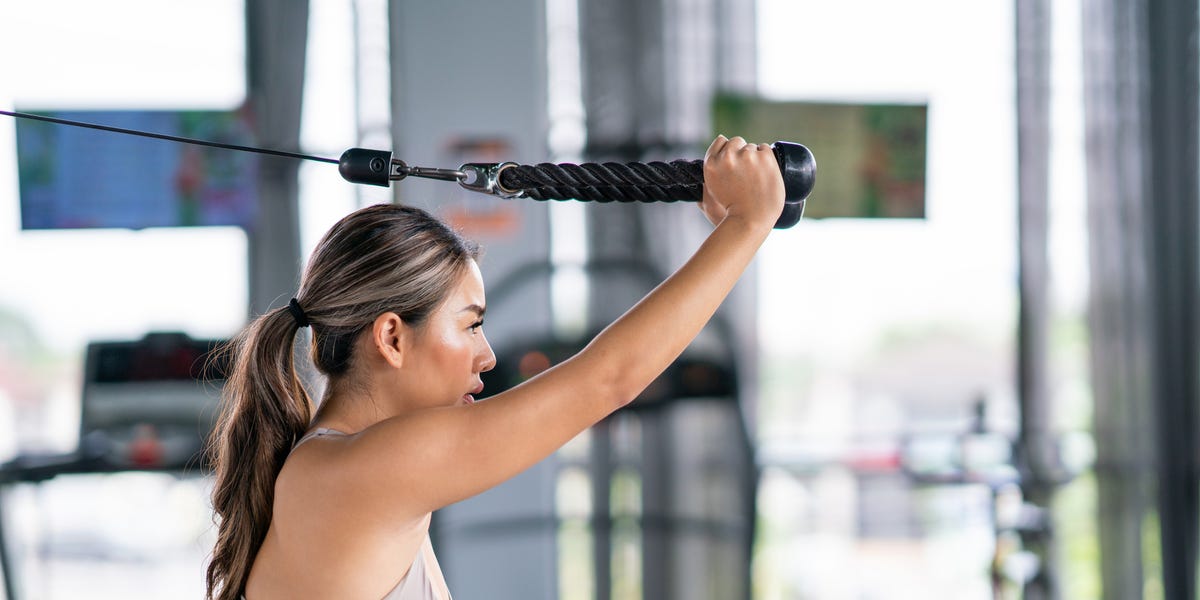
A push-pull workout is a systematic training approach that divides exercises into “push” and “pull” categories. On push days, you focus on muscles involved in pushing actions, while pull days engage the muscles that are involved in pulling. According to Natalya Vasquez, a certified personal trainer and health coach, this split ensures that muscle groups receive adequate recovery time between sessions.
For instance, push exercises typically involve the chest, shoulders, and triceps, while pulling exercises target the back and biceps, explains strength expert Samantha Rothberg. This method not only facilitates balanced strength development but also keeps workouts varied and engaging.
Understanding the Push-Pull Routine
The beauty of a push-pull routine lies in its simplicity: dedicate one day to a set of push exercises and the next to a set of pull exercises. Rothberg suggests that beginners start with one push workout and one pull workout weekly, with rest days spaced in between. More advanced individuals may work out every two to three days depending on their fitness levels and recovery capabilities.
If your focus is mainly upper body, remember to include a dedicated lower body workout to ensure a well-rounded fitness routine. A sample weekly plan could look like this: push day on Monday, pull day on Tuesday, leg day on Wednesday, followed by rest days or active recovery.
Programming Your Push-Pull Workout
Start by warming up, then incorporate three to four exercises for each muscle group, aiming for three sets of 8 to 12 repetitions, according to Vasquez. On a push day, begin with larger muscle groups (like the chest) and progress to smaller ones (like the triceps), and follow a similar structure for a pull day.
Incorporate a mix of bilateral and unilateral movements, and prioritize pushing or pulling exercises that engage both horizontal and vertical planes for a complete workout. Ensure minimal muscle overlap between push and pull days to enhance recovery.
Examples of Push Exercises
1. Dumbbell Floor Press
Benefits: Targets the chest and triceps effectively.
How to:
- Lie on your back with knees bent and feet flat on the ground.
- Hold a dumbbell in each hand, arms extended above shoulders.
- Lower your arms until your triceps touch the floor, then push back to starting position.
2. Incline Push-up
Benefits: Engages chest, triceps, and back while maintaining core stability.
How to:
- Place hands on an elevated surface and walk feet back into a plank position.
- Bend elbows and lower the body until elbows are at a 90-degree angle.
- Push back to starting position.
3. Arnold Press
Benefits: Targets entire shoulder muscles effectively.
How to:
- Stand with arms hanging at sides, holding dumbbells with palms facing the body.
- Bend elbows to bring the weights to shoulder height, then press straight up while rotating wrists outward.
- Return to the starting position.
4. Dumbbell Back Squat
Benefits: Works multiple lower body muscles and improves overall strength.
How to:
- Stand holding a dumbbell behind your neck with feet shoulder-width apart.
- Lower into a squat position until thighs are parallel to the ground.
- Push through your feet to return to standing position.
Examples of Pull Exercises
1. Romanian Deadlift (RDL)
Benefits: Enhances strength in the posterior chain and core.
How to:
- Stand with feet hip-width apart, holding dumbbells in front of thighs.
- Hinge at the hips, lowering the weights toward your shins while keeping a neutral spine.
- Engage your core and return to standing position.
2. Alternating Bent-Over Row
Benefits: Promotes upper back strength and better posture.
How to:
- Bend at the hips, holding one dumbbell in each hand.
- Pull the right elbow back until the dumbbell is near your rib cage.
- Return to starting position and repeat on the other side.
3. Gorilla Row
Benefits: Engages multiple muscle groups for efficient training.
How to:
- Stand with feet wide apart, hinging forward at the hips to grasp dumbbells on the floor.
- Pull one elbow back while keeping the other dumbbell down.
- Return and repeat on the other side.
4. Alternating Lat Pull-Down
Benefits: Strengthens the upper back and triceps.
How to:
- Stand with a resistance band overhead, arms extended.
- Pull one elbow down while keeping the other arm extended.
- Switch arms and repeat.
Advantages of Push-Pull Workouts
Embracing the push-pull split can accelerate muscle development, enhance fitness variety, and ensure balanced training. Here are some key benefits:
- Promotes Balance: This approach targets opposing muscle groups, fostering a well-rounded strength routine.
- Prevents Fatigue: Alternating between push and pull workouts helps maintain intensity and allows muscles to recover adequately.
- Offers Infinite Progression: You can easily adjust intensity and focus to avoid plateaus over time.
- Supports Variety: Incorporating a mix of exercises and equipment keeps workouts fresh and engaging.
- Customizable: Push-pull workouts can easily be tailored to suit individual fitness levels and goals, making them accessible regardless of experience.
In conclusion, a push-pull workout routine is not just a trend; it’s a sustainable approach to fitness that can help you achieve lasting results. Whether you’re looking to build strength, enhance recovery, or simply break out of a workout rut, integrating this method into your training toolkit can prove beneficial. Start experimenting with push-pull workouts today, and you might just discover a fresh, exciting path to reach your fitness goals!