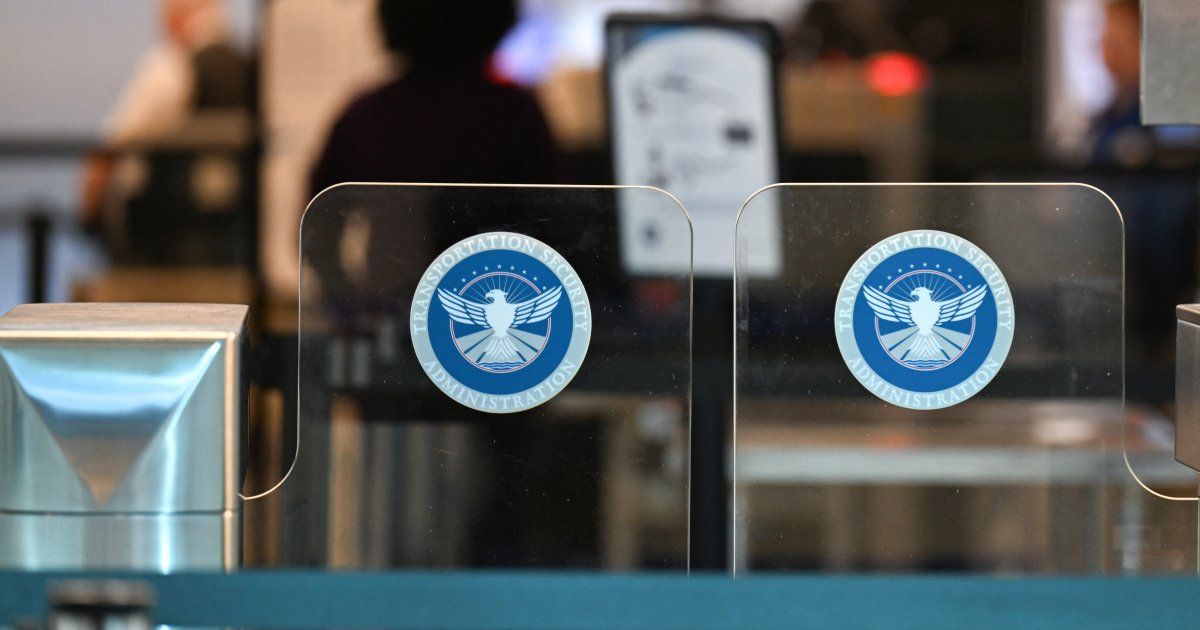
The events of September 11, 2001, dramatically transformed air travel, resulting in lasting changes to security and passenger protocols. Here’s a concise overview of the key changes and their impacts:
Key Changes to Air Travel Security
-
ID and Baggage Checks:
- Prior to 9/11, no ID was needed for domestic flights; the Aviation and Transportation Security Act mandated checks post-attack.
- Created the TSA, requiring all passengers and luggage to be screened.
-
Armed Marshals and Cockpit Security:
- Expansion of the Federal Air Marshal Service.
- Reinforced, locked cockpit doors became standard.
-
Ban on Knives:
- Immediate banning of knives and box cutters in carry-on luggage.
-
Shoe Checks:
- Voluntary removal of shoes began after the Reid incident in 2001, becoming mandatory in 2006.
-
Pilots Armed:
- Certified pilots were allowed to carry handguns after completing training.
-
Limits on Liquids:
- 2006 saw a ban on all liquids in carry-on luggage due to a thwarted plot; restrictions on liquid sizes were later relaxed.
-
Full-Body Scanners:
- Deployment of scanners began in response to a 2009 bomb attempt.
-
Facial Recognition and Electronics Checks:
- Experimentation with facial recognition technology began in 2017; electronic devices larger than a phone had to be separately screened.
Impact on Passengers
- Longer Wait Times: Post-9/11, screening slowed processing rates significantly, leading to longer airport stays.
- Reduced Passenger Numbers: Air travel dropped by up to 30% immediately after 9/11 but rebounded by 2005.
- Increased Security Searches: Targeted questioning, especially of Muslim passengers, became more common.
- Stricter Visa and Travel Authorizations: Enhanced background checks were instituted for foreign travelers.
Eased vs. Maintained Restrictions
Still in Place:
- Reinforced cockpit doors, baggage screening, passenger identity checks, restricted gate access, and prohibitions on dangerous items.
Relaxed Regulations:
- Some liquid restrictions in the UK and shoe removal policies were modified, reflecting a shift towards balancing security with passenger convenience.
The lasting legacy of these changes remains evident in the air travel experience, emphasizing a focus on security while adapting to passenger needs.