Understanding the Impact of Celebrity Body Image on Fitness Culture
The red carpet has long served as a platform for celebration and glamour, but lately, it has become a source of anxiety for many. As buzz surrounding events like the Wicked press tour grows, the focus seems to shift from the talent to the ever-thinning frames of the stars. Years of progress towards body positivity feel threatened as prominent figures in Hollywood visibly alter their appearances, leading us to question the true cost of these transformations.
The Pharmaceutical Influence on Body Image
In the current celebrity landscape, the rise of weight-loss medications such as semaglutide—commercially known as Ozempic and Wegovy—has become a topic of significant discussion. Initially developed as treatments for type 2 diabetes, these drugs have swiftly transformed into symbols of status among the elite. This rapid physical change, often resulting in gaunt appearances rather than genuine health, raises troubling questions. Is it truly beneficial to sacrifice muscle mass and overall health just for a fleeting moment in the spotlight? Many experts argue that the answer is a clear “no,” yet the imagery promoted by the industry often suggests otherwise.
The Example of Celebrity Transformations
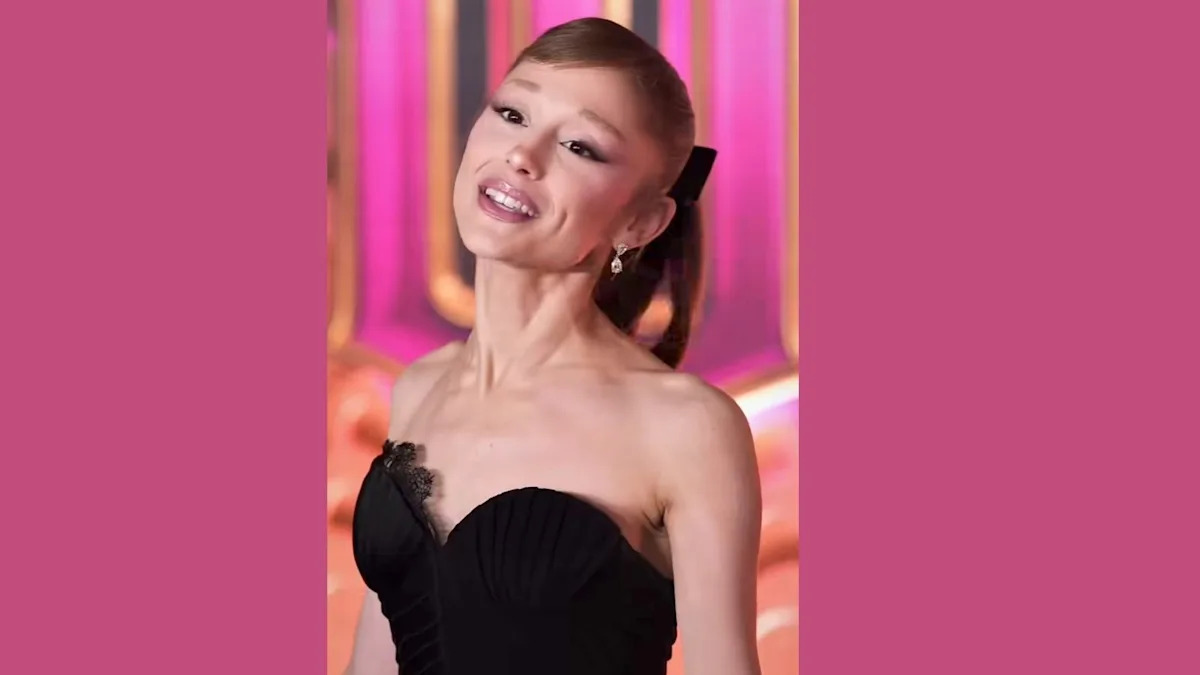
Take Ariana Grande, for example. Amidst the promotion of Wicked, she finds herself at the center of discussions that revolve not only around her impressive vocal abilities but also her noticeably slender figure. The standard her appearance sets can create an immense weight of expectation on others trying to fit into an increasingly narrow definition of beauty.
Screenshot from @b_1_craig, via Instagram.com. Used under fair use for editorial commentary.

This phenomenon is not unique to Grande; public figures like Cynthia Erivo and Nicole Kidman have also seen their bodies scrutinized in ways that raise concerns about potential health implications. The conversation often highlights that extreme thinness, far from being a mark of health, can carry significant drawbacks, including issues related to bone density and metabolic function.
Screenshot from @b_1_craig, via Instagram.com. Used under fair use for editorial commentary.

The Broader Impact on Audience Perception
When stars consistently present these ultra-slim images, it reinforces the idea that everyone should aspire to follow suit, leading to unrealistic standards that impact audiences, especially younger viewers. Many lack the background knowledge to understand that these transformations are often tied to expensive medical procedures rather than lifestyle choices.
Kennedy’s latest public appearances embody shifting beauty benchmarks and raise questions around an elitist attitude toward body image. For many, fitness and health are innate values, not merely means to achieve an aesthetic ideal.
Screenshot from @people, via Instagram.com. Used under fair use for editorial commentary.

Star figures like Demi Moore, who also recently showcased a significantly altered body shape, further exemplify this challenge. As her appearance draws commentary from experts who indicate that transformations may not necessarily reflect health, it emphasizes the industry’s tendency to glorify rapid weight loss at the expense of genuine well-being.
Screenshot from @glamourgermany, via Instagram.com. Used under fair use for editorial commentary.

Advocating for Health Over Aesthetics
Kathy Bates takes a different stance, using medications for legitimate health issues rather than for superficial beauty. Her approach raises critical questions about the ethics of using medical advancements primarily as beauty tools.
This societal shift toward equating thinness with worthiness can have devastating effects on self-image and mental health. If we accept this trend unchallenged, we risk erasing decades of progress toward diversity in body representation.
Screenshot from @cbsmornings, via Instagram.com. Used under fair use for editorial commentary.

Conclusion
The narrative we consume from red carpets and the media can have profound implications on our perceptions of fitness and body image. We must prioritize health and wellness over superficial ideals, ensuring that our worth is not dictated by fleeting fashion standards. Embracing body diversity allows us to honor our individuality and foster healthier societal attitudes towards fitness—where being fit means being strong, healthy, and vibrant, rather than merely conforming to the latest trends in weight loss.