The Future of Beauty: Insights for Today’s Brands
As we look toward 2026, the beauty landscape is evolving rapidly, particularly among Gen Z consumers. A recent report by VML, titled The Future 100: 2026, sheds light on how this generation is redefining purchasing behavior with an emphasis on authenticity, ethics, and community connection. Understanding these dynamics is vital for brands aiming to resonate with the contemporary consumer. Below, we’ll explore key insights from the report and offer practical advice for beauty brands to succeed in this shifting landscape.

The Rise of the Dystoptimistic Consumer
As described in the report, the term “dystoptimistic” encapsulates the duality of hope and anxiety experienced by today’s consumers. Gen Z is not just passive; they actively seek brands that align with their values and engage in meaningful dialogues. This mindset encourages brands to serve as catalysts for positive change, rather than just product providers.
Marie Stafford, the global director at VML Intelligence, emphasizes that brands that ignore consumer values might face significant challenges. Instead, offering support and guidance tailored to personal growth will likely resonate more with this audience.
Consumer Demand for Authenticity and Connection
Today’s beauty consumers are increasingly drawn to brands that exhibit authenticity and transparency. According to the report, Gen Z makes more socially conscious purchasing decisions, favoring brands that commit to ethical practices and genuine connections.
With 16 markets surveyed and over 15,000 individuals polled, VML found that a significant portion of consumers expect brands to prioritize ethics and social responsibility. Therefore, beauty brands must adapt to this demand by establishing clear core values and communicating them effectively.
The New Directions of Beauty
The report highlights that technological advancements offer new opportunities for self-expression, leading to a broader definition of beauty beyond traditional norms. With the advent of AI and image manipulation tools, consumers can curate their appearances in new ways, possibly initiating a post-human aesthetic in beauty standards.
Also noteworthy is the emergence of “food-inspired beauty,” where the sensory experiences of food flavors are finding their way into cosmetics. This trend caters to consumers’ desire for unique and indulgent experiences, demonstrating that innovation can play a crucial role in connecting with consumers.
Marketing Strategies for Connection
To build meaningful relationships, brands should consider adopting radical honesty in their marketing approaches. The report cites examples from brands like The Ordinary and Saie that have successfully implemented transparency as a core strategy. With 87% of customers indicating they prefer paying more for trusted brands, authenticity is not only an ethical choice but also a strategic business approach.
Substack, a platform for long-form content, is emerging as a valuable medium where brands can connect with consumers on a deeper level. By shifting the focus from mere sales to the values they represent, brands can cultivate loyalty and encourage engagement.
Navigating Consumer Expectations and Accountability
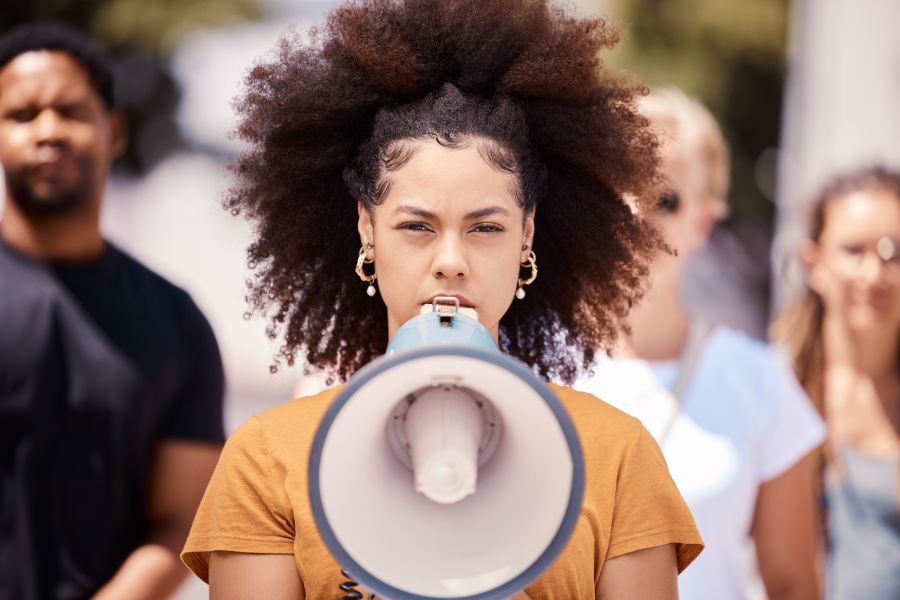
The report identifies a significant trend among Gen Z consumers: politically informed consumption. With over half of U.S. Gen Z consumers participating in boycotts based on values, brands must recognize the importance of aligning with ethical standards and social causes. Research indicates that 79% of this demographic prefer supporting brands that echo their values, putting pressure on companies to take a stand.
Additionally, brands that fail to uphold ethical values risk losing public trust and talent, as employees increasingly seek workplaces that reflect their ideals. Therefore, genuine brand activism must be more than surface-level engagement; it should be integrated into the brand’s core business practices.
Conclusion
As we look to the future of beauty, brands must adapt to an increasingly aware and value-driven consumer base. By embracing authenticity, fostering genuine connections, and taking a stand on ethical issues, beauty brands can navigate the evolving marketplace successfully. The insights from VML’s report offer a roadmap for brands aiming to thrive in this complex landscape, ultimately transforming challenges into opportunities for growth and innovation.
By staying true to their values and engaging in open dialogue with consumers, beauty brands can build lasting relationships that resonate deeply in a world where authenticity is paramount.