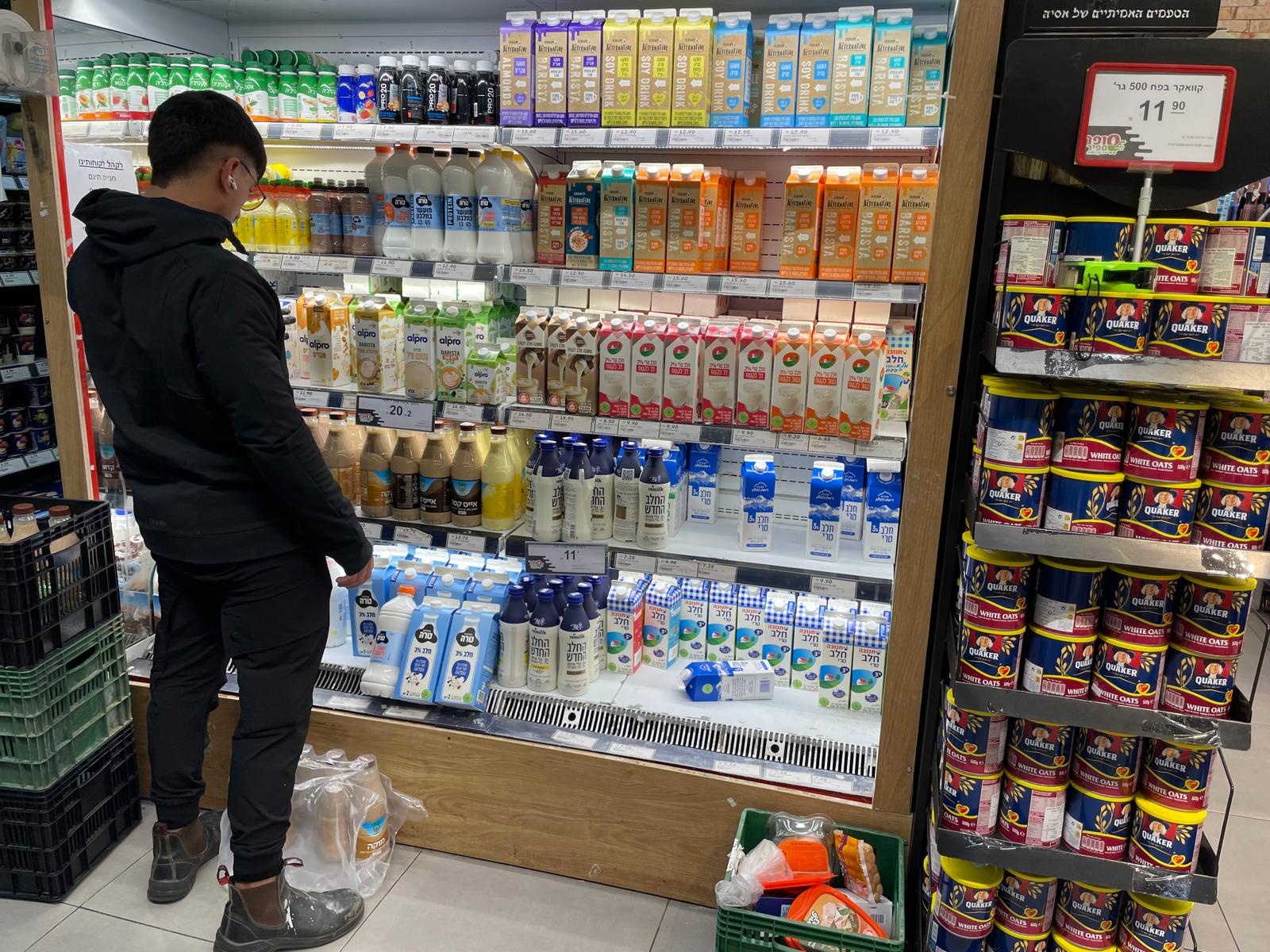
Tel Aviv’s Culinary Innovation: Bodega Burger and the Vegan Revolution
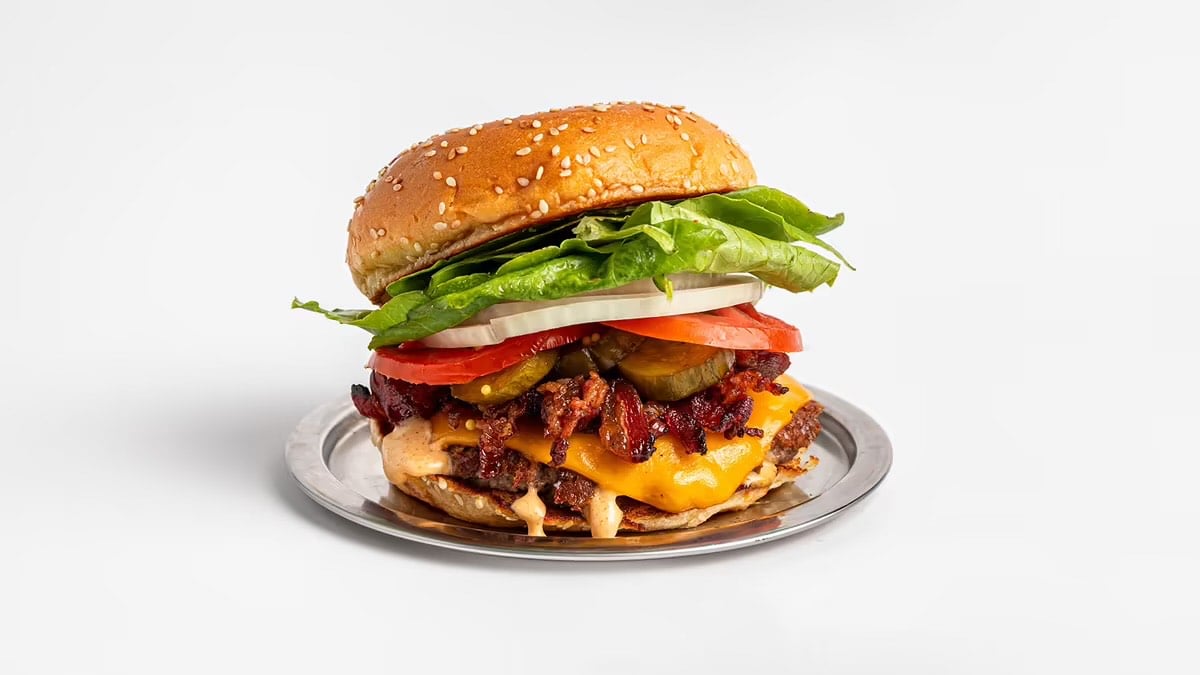
Since its launch in 2019, Bodega Burger in Tel Aviv has been redefining kosher cuisine with its groundbreaking signature dish: a beef bacon and vegan cheese burger. Now, the restaurant is poised to introduce classic Southern fried chicken to its offerings, utilizing a new “non-cow” milk developed by the Israeli company Remilk. Restaurateur Feivel Oppenheim is optimistic about the opportunities this presents for innovative cooking.
“At Bodega, our guests are eager to try something they have never experienced before,” Oppenheim shared with The Times of Israel. “There is a strong demand in the kosher market for such innovations.”
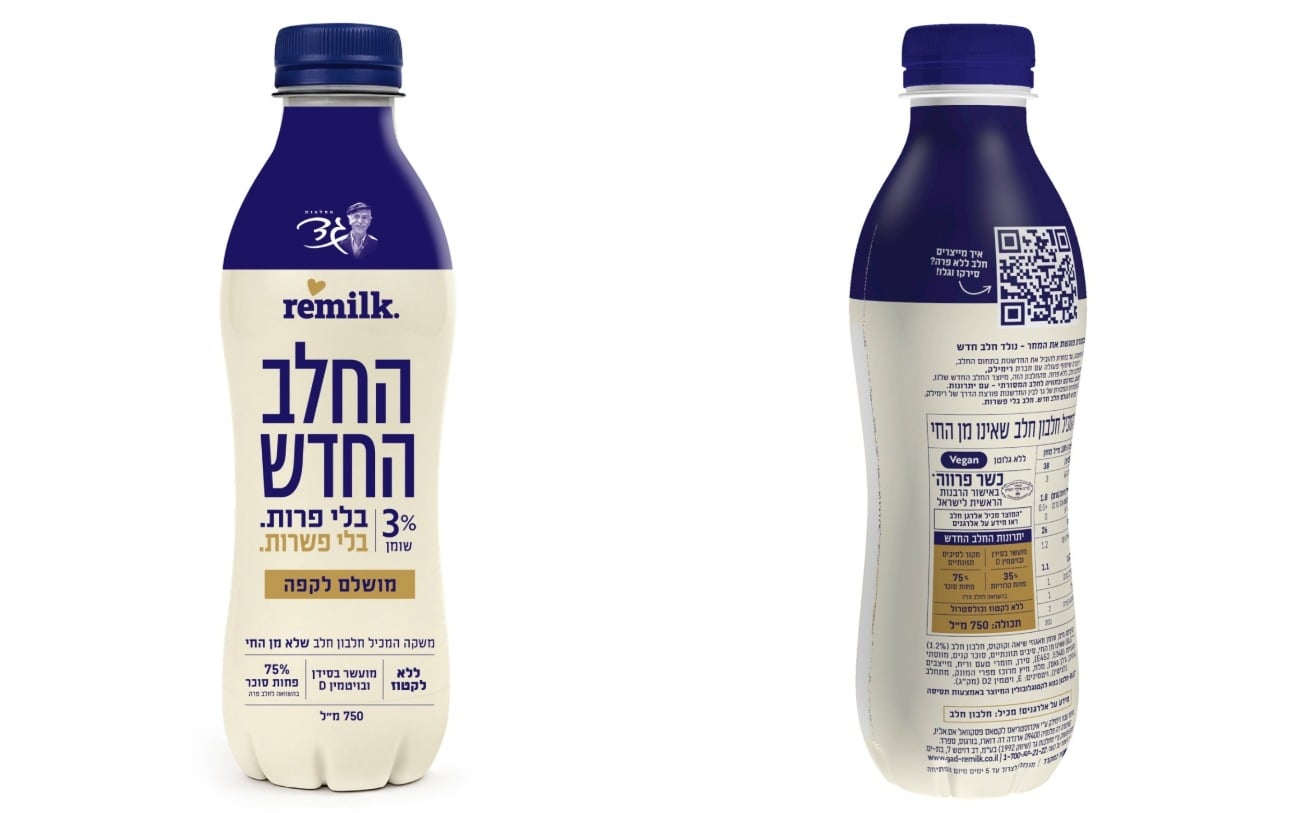
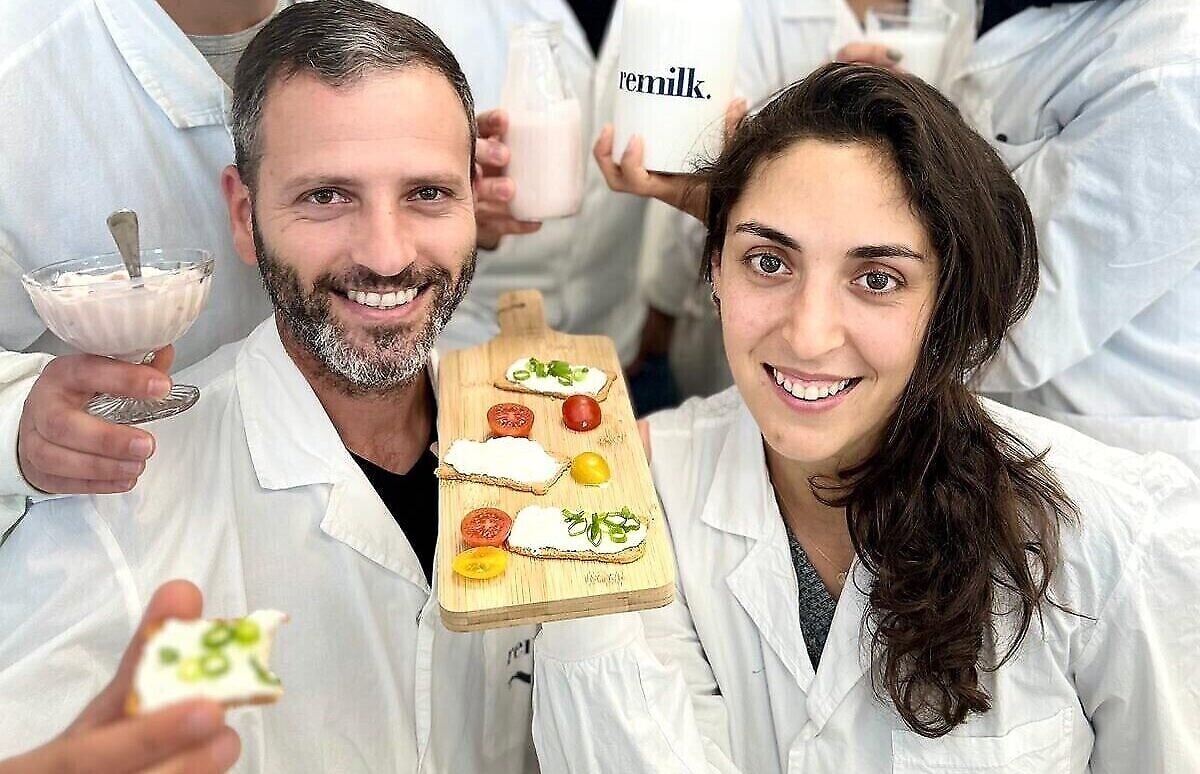
Marketed as “New Milk” (Hehalav Hehadash in Hebrew), Remilk’s unique beverage contains proteins that mimic those found in traditional cow’s milk, all produced through a yeast-based fermentation process. Importantly, because no animal products are involved, it has received parve kosher certification from the Chief Rabbinate of Israel. This classification allows it to be consumed alongside both meat and dairy, a crucial aspect of Jewish dietary laws.
The result is a product that Remilk claims not only looks and tastes like milk but also behaves similarly in culinary applications, paving the way for a potential shift in kosher cuisine.
Assessing the Innovation
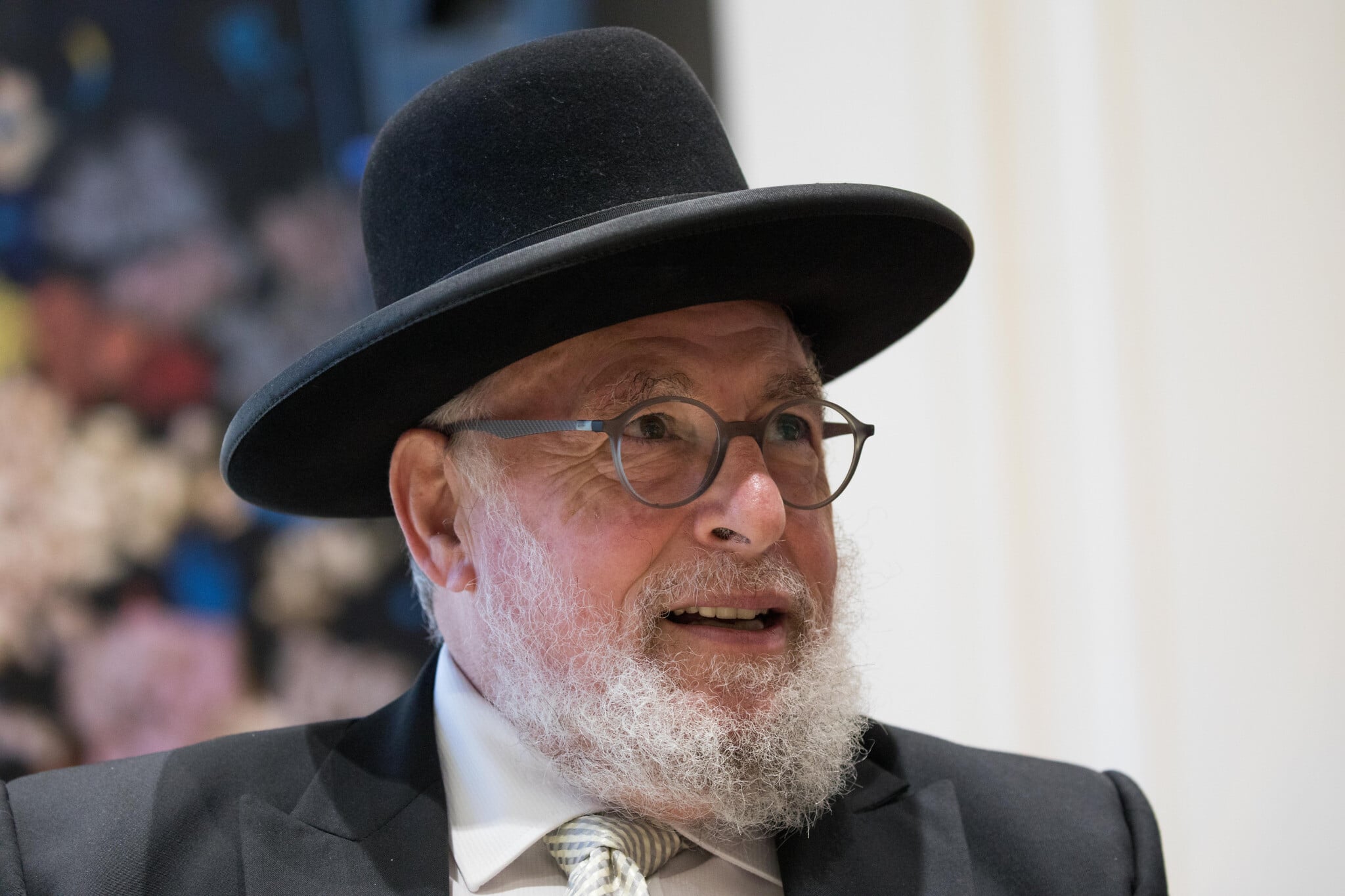
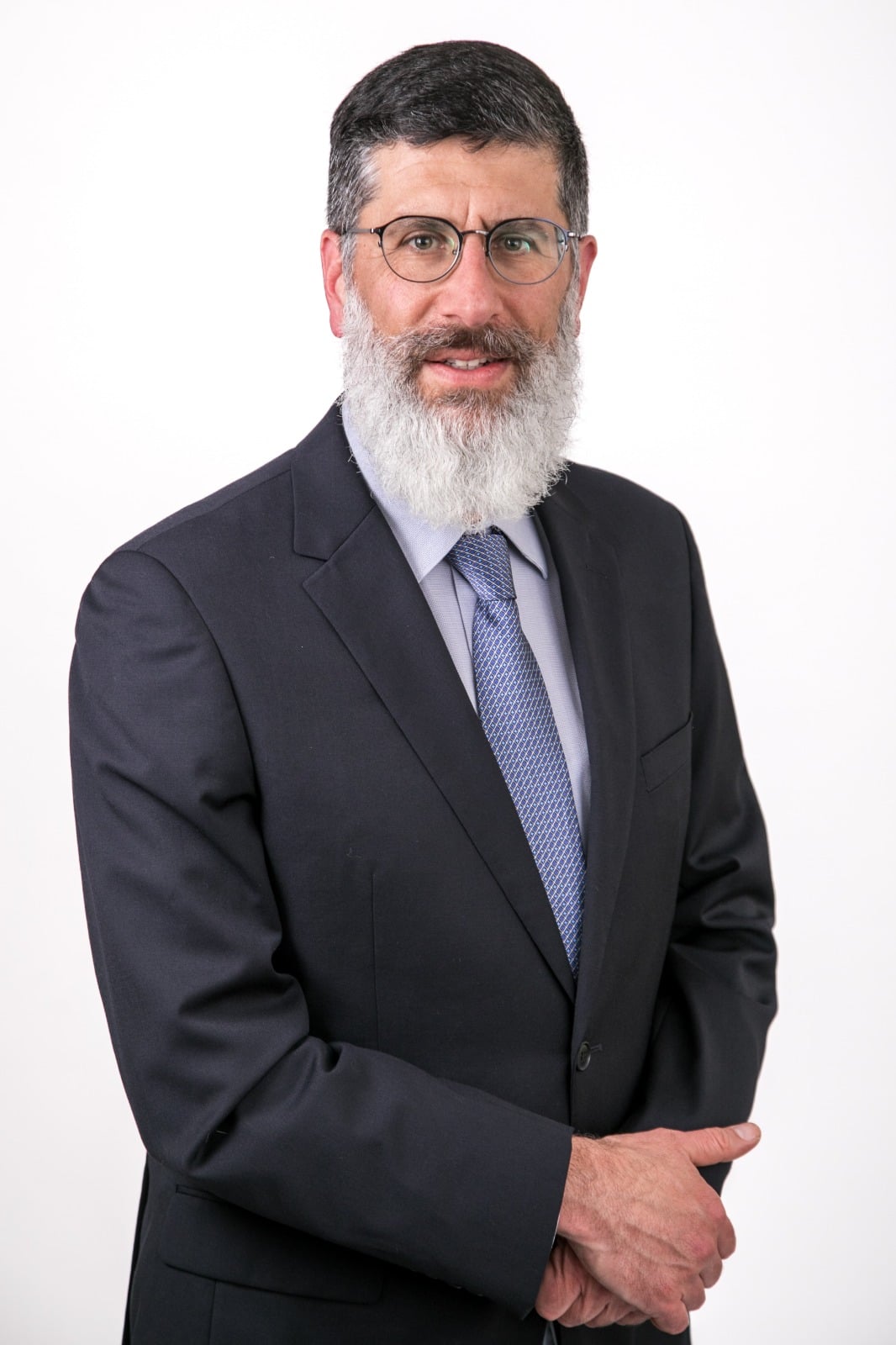
Experts in kashrut have expressed confidence that unlike other lab-developed milk alternatives, Remilk’s beverage is undoubtedly parve. However, they caution that certain precautions may still be necessary, especially to avoid confusion for consumers unfamiliar with the product. Rabbi Eliezer Simcha Weiss, a member of the Chief Rabbinate Council, stated, “This milk possesses the characteristics of traditional milk, yet it is fundamentally different.”
Rabbi Moshe Elefant, COO of OU Kosher, emphasized the longstanding discussions on milk substitutes, which date back to ancient texts. “The Talmud mentions almond milk from centuries ago, highlighting the need for clarity about the product’s nature,” he noted. Thus, proper branding for the New Milk is essential to prevent misunderstandings regarding its kosher status.
As both Elefant and Rabbi Avraham Hermon from Tzohar explained, clear labeling is vital for ensuring diners understand that they are consuming an artificial milk alternative. If served with meat, it should be made known to guests, as some may assume it is regular dairy milk. Conversely, while the New Milk is lactose-free, those allergic to dairy proteins should still exercise caution.
This innovative beverage consists of approximately 1.3% lab-grown dairy proteins, mixed with various ingredients such as coconut and nut fats, water, salt, and stabilizers. Oppenheim noted that guests with allergies are usually very vocal about their needs, making customer education about New Milk crucial.
While discussing potential challenges, Elefant acknowledged that the distinctions concerning dairy can vary greatly depending on health regulations, kosher laws, and government definitions. This discrepancy places additional burdens on certifiers, especially with products that might blur the lines.
A Potential Doha for Kosher Practices
When asked about the future of non-cow milk and its potential to transform kosher practices—including the possibility of enjoying cheese on pasta dishes or cheeseburgers—Elefant stated that while the technicalities prove the New Milk is parve, societal perceptions remain complex. He recognized the spirit of kashrut, while maintaining that, “Is this parve? Yes. Can it be mixed with meat? Yes. However, some may sense it violates the essence of the law.”
While advancements have consistently emerged in the kosher market over the decades, Elefant expressed excitement for the New Milk’s potential. He recounted how products once deemed impossible, like the “Impossible Burger,” have become mainstream: “The technology is so advanced that you can get juices that resemble those from traditional beef.”
However, challenges remain, particularly in areas like lab-grown meat, where stricter criteria apply due to the need for animal cells in the production process. Hermon elaborated that nutrition being fed to these cells must also meet kosher standards.
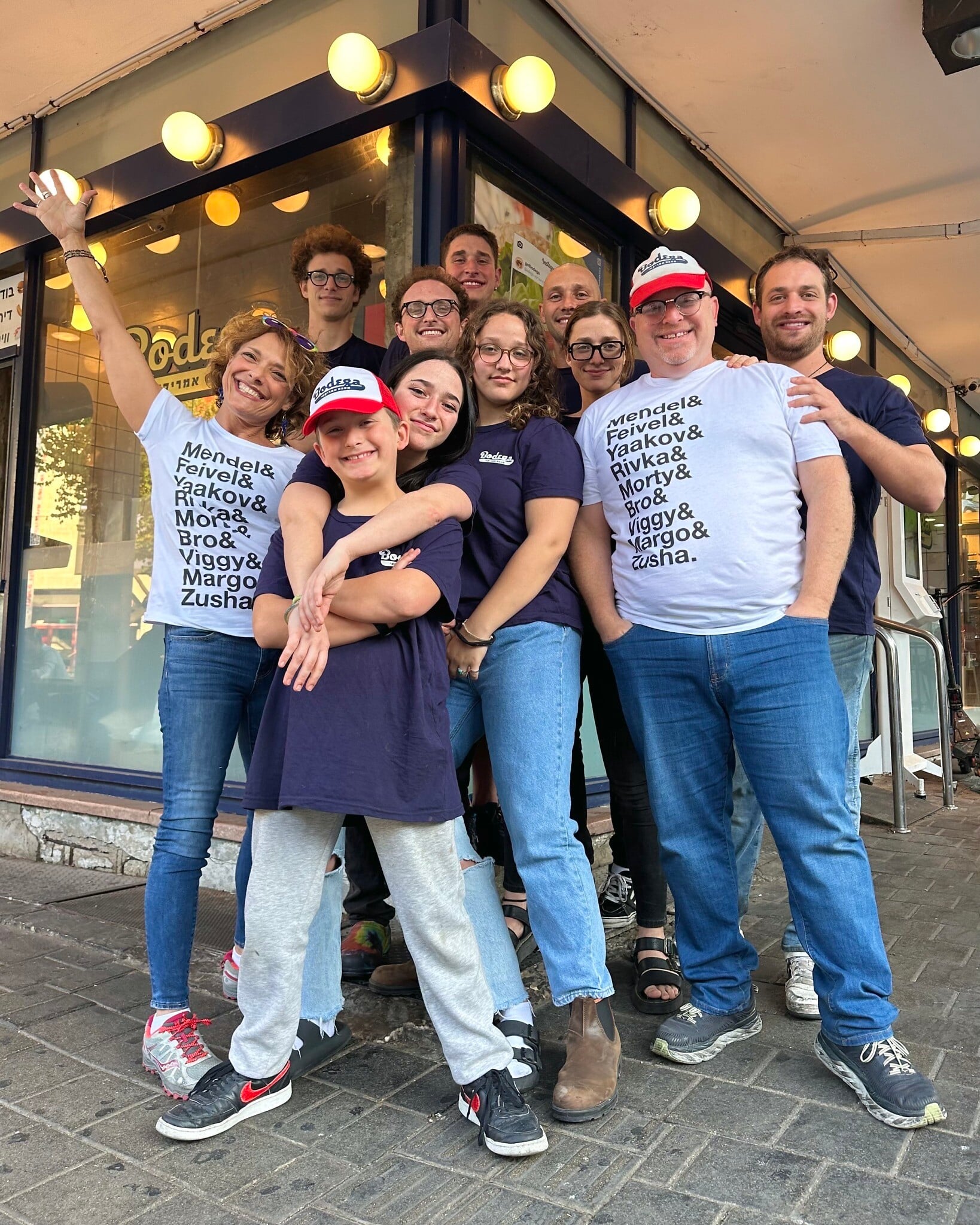
While Remilk’s New Milk is positioned to attract both the vegan community and kosher consumers—albeit at a premium price—Oppenheim’s focus remains on delivering tantalizing flavors that had previously been elusive in kosher dining. He reminisced about his experiences with American fast food, urging his patrons to expand their culinary horizons with innovative new dishes.

“Each visit to the States during my childhood was filled with the flavors of amazing dishes,” he reflected. “We aim to recreate that experience at Bodega.” Customers are evidently eager for the inventive dishes that may soon be available, just as they were at the restaurant’s inception with the kosher bacon cheeseburger. What once prompted skepticism is now increasingly welcomed in the kosher dining landscape.


