Embracing the Future: The Rise of Connected Beauty
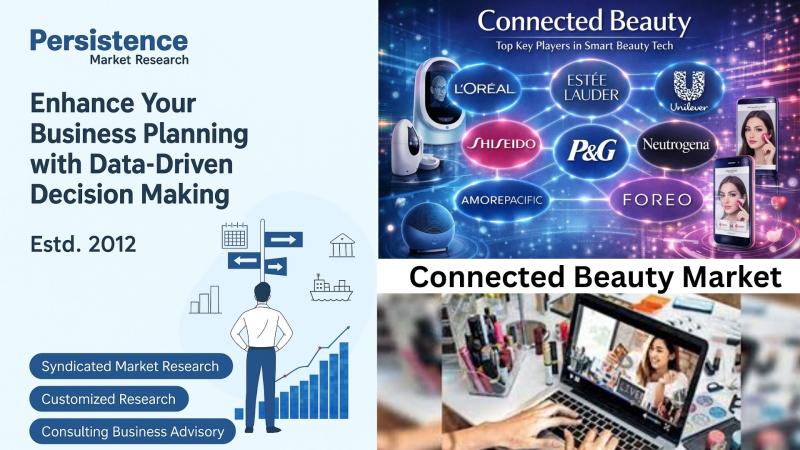
As technology continues to shape our lives, the beauty industry is no exception. The concept of “connected beauty” is transforming how consumers engage with personal care products, driven by rising digital adoption, a thirst for personalization, and the advent of smart devices. This article explores what connected beauty means, its growth drivers, and how it is set to redefine our approach to beauty in the coming years.
What is Connected Beauty?
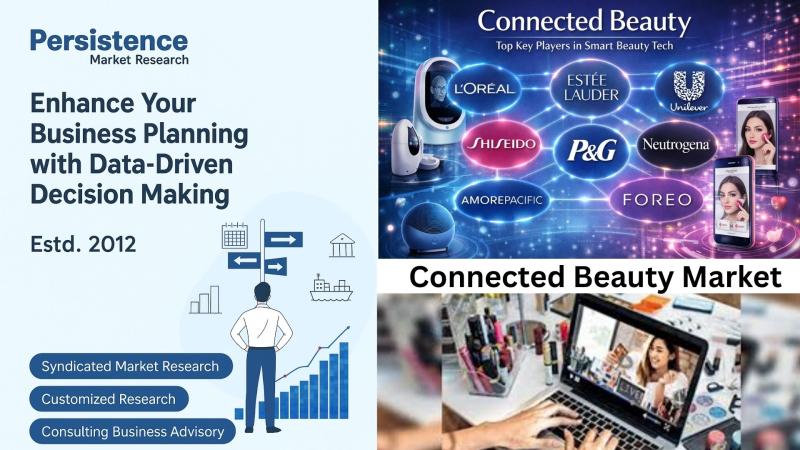
Connected beauty refers to personal care products that integrate smart technologies to enhance user experiences through connectivity and data analytics. This includes a diverse range of offerings, such as:
- Smart skincare devices that assess skin conditions and recommend personalized regimens.
- AI-driven makeup tools that allow virtual application and assess the best product matches.
- Wearable tech that monitors environmental and skin health data.
- Mobile applications that log routines and offer reminders.
This intersection of technology and beauty not only empowers consumers but also fosters deeper brand engagement through data-enhanced services.
Key Drivers of Market Growth
1. Demand for Personalization
Consumer desires for unique and customized experiences are at the forefront of the connected beauty market. Today’s beauty enthusiasts are moving away from one-size-fits-all solutions. By collecting data on skin type, lifestyle, and preferences, connected beauty devices provide tailored product recommendations, boosting results and fostering customer loyalty.
2. Proliferation of Smartphones
The surge in smartphone use and mobile internet access has cultivated an ideal environment for connected beauty solutions. Apps can engage users by linking with beauty devices, providing real-time feedback that encourages regular product use and interaction.
3. Advancements in Technology
Technologies such as artificial intelligence (AI) and the Internet of Things (IoT) are crucial to the connected beauty landscape. AI algorithms can sift through extensive consumer data to deliver personalized suggestions, while IoT capabilities allow seamless communication between devices.
4. Health and Wellness Trends
A growing focus on overall well-being means that consumers look for beauty products that promote not just appearance but also health. Devices that track skin hydration, UV exposure, and environmental factors align with this holistic approach to beauty.
5. E-Commerce Growth
The rise of online shopping has opened new avenues for beauty brands. Many connected beauty products integrate with e-commerce platforms, enhancing the shopping experience through subscription services and automated replenishment, thereby encouraging consumer loyalty.
Key Product Segments
The connected beauty market encompasses several product categories:
- Smart Skincare Devices: Tools that assess skin conditions and enhance product effectiveness, such as smart brushes and LED masks.
- AI-Driven Makeup Tools: Digital platforms that allow users to virtually apply and test makeup, minimizing product returns by improving matching accuracy.
- Wearable Beauty Trackers: Devices that monitor skin health and environmental factors optimizing routines based on real-time conditions.
- Beauty Apps: Essential for tracking user behavior, offering insights and reminders, while integrating seamlessly with connected devices.
Regional Insights
North America remains the leader in connected beauty, driven by consumers’ early tech adoption and high purchasing power.
Europe follows closely, with countries like the UK and Germany embracing digital beauty solutions.
Asia Pacific is expected to see rapid growth, thanks to rising disposable incomes and a strong affinity for innovative beauty technologies.
Meanwhile, Latin America and the Middle East & Africa represent emerging markets with the potential for future expansion, fueled by increasing internet use and a growing interest in smart devices.
Challenges and Opportunities
While the connected beauty market is thriving, it faces challenges like:
- Data Privacy: As more products collect personal data, consumers are wary of how that information is handled.
- High Costs: Premium-priced devices could hinder accessibility in budget-conscious markets.
- Integration Difficulties: Ensuring smooth functionality across platforms requires significant investment.
However, these hurdles also present opportunities. Brands that prioritize consumer trust and data security can forge stronger connections with their audience. Additionally, making connected beauty products more affordable could open up new customer segments.
Conclusion
In summary, the connected beauty market is on the brink of a significant evolution. Expected to reach a valuation of $13.0 billion by 2033, the future of beauty promises to be more digital, personalized, and interactive. Brands that innovate to meet the needs of tech-savvy consumers will be at the forefront of the next wave of growth in the beauty industry. As we continue to witness technological advancements, it’s an exciting time for beauty enthusiasts and brands alike.
For more insights on market trends in beauty and wellness, delve into other reports on related subjects!