 “I guess I just wasn’t made for these times.” – Brian Wilson, R.I.P.
California Dreamin’ in LALA Land
Southern California boasts some of the most delightful weather imaginable. Particularly along the coast, the sun shines brilliantly each day, with low humidity and a refreshing breeze from the Pacific Ocean creating a blissful atmosphere. It’s hard to beat this idyllic environment.
Yet, beneath the surface beauty, there are significant challenges. The traffic congestion, exorbitant cost of living, and burdensome state and local taxes, coupled with expansive areas of urban decay and encampments for the homeless, highlight the region’s imperfections.
The decline of Hollywood’s glamorous era began with tragedy—the brutal murder of Sharon Tate and her unborn child by the Manson Family on August 9, 1969. By that time, Los Angeles was already grappling with a cultural downturn.
In 1964, Brian Wilson’s mental health deteriorated. The Watts Riots erupted in 1965. By 1967, Pacific Ocean Park—a competitor to Disneyland—had fallen into irreparable decline.
The inflationary pressures of the 1970s further marred the once-thriving boulevards and sprawling urban landscapes. By the 1980s, youth like Jordan Hiller were succumbing to overdoses linked to drugs. Others found solace in self-destructive behavior. Filmmaker Penelope Spheeris poignantly depicted this grim reality in her documentary, The Decline of Western Civilization. Continue reading
 On May 12, Goldman Sachs Research’s analysts forecasted the S&P 500 would rise by approximately 11 percent, targeting a level of 6,500 within the year. A month into this projection, the S&P 500 increased from 5,844 to 6,045—representing a 3.4 percent gain.
This optimism from Goldman Sachs stemmed from eased worries regarding U.S.-China tariffs and better-than-expected growth indicators. Their economists assessed the likelihood of a U.S. recession over the next year at a mere 35 percent, with GDP predicted to expand by 1.6 percent.
A critical question posed by David Kostin, Goldman’s chief equity strategist, is “who is going to absorb the increased tariffs?”
Will Chinese manufacturers absorb the costs? Will Walmart compromise its already slim margins? Or will consumers face higher price tags?
Answers to these questions won’t materialize for some time. Earnings from the first quarter revealed a robust year-over-year growth of 12 percent, but this data predates the trade conflict. The second quarter results will likely reflect changes in demand and tightened profit margins. Continue reading
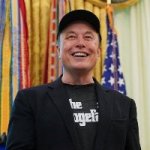 We had high hopes for Elon Musk; we rooted for his unmitigated success. He’s launched countless satellites into space, promoted electric vehicles, and championed free speech on social media. If anyone can trim $2 trillion in annual waste, it’s Musk.
The objective for DOGE seemed straightforward. Musk would leverage Silicon Valley’s innovative spirit to overhaul the inefficiencies in Washington. He’d dismantle superfluous agencies that bog down progress with outdated rules and regulations. Why not aim for a more efficient government?
From our perspective, aspirations and reality often diverge. What child hasn’t dreamt of becoming an astronaut or a professional athlete? Yet how many truly achieve those dreams?
Ultimately, we believe that the most worthwhile pursuits are those that appear nearly unattainable. However, some undertakings are undeniably futile. For instance, sending humans to Mars is a classically ambitious goal. Making the federal government efficient, on the other hand, may be categorically impossible. Continue reading
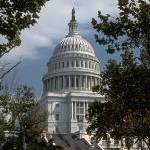 During his campaign, President Donald Trump assured voters of impending economic prosperity…
He vowed to vanquish inflation, recalibrate trade dynamics, and revive American manufacturing. Additionally, he promised significant tax cuts to enrich the populace, putting more money into consumers’ hands for spending.
Now, merely four months into his second term, our outspoken 47th President is determined to finalize what he claims will be the “largest tax cuts in American history.” His proposed legislative triumph, the One Big Beautiful Bill Act (OBBBA), promises an array of economic incentives.
This includes an extension of his 2017 tax cuts, benefiting individual income and estate taxes, as well as tax breaks for tips, overtime pay, and auto loan interest. Moreover, it features incentives designed to bolster domestic research and development efforts.
Additionally, in a bid to spark interest in U.S. stock indices, the OBBBA introduces ‘Trump Accounts’ for children, which come with a $1,000 contribution from the federal government. This builds upon the existing $500 child tax credit. To sweeten the deal, the proposal allocates $46.5 billion aimed at rejuvenating immigration initiatives. Continue reading