The Growing Home-Use Beauty Devices Market: Trends and Insights
As we transition deeper into the era of technology, the personal care sector is evolving rapidly. One of the most exciting developments is the rise of home-use beauty devices. These innovative tools are transforming how we approach skincare and beauty, allowing individuals to enhance their routine conveniently and affordably. This article delves into the burgeoning market for home beauty devices, highlighting key trends, anticipated growth, and major players in the field.
Projected Growth of Home-Use Beauty Devices
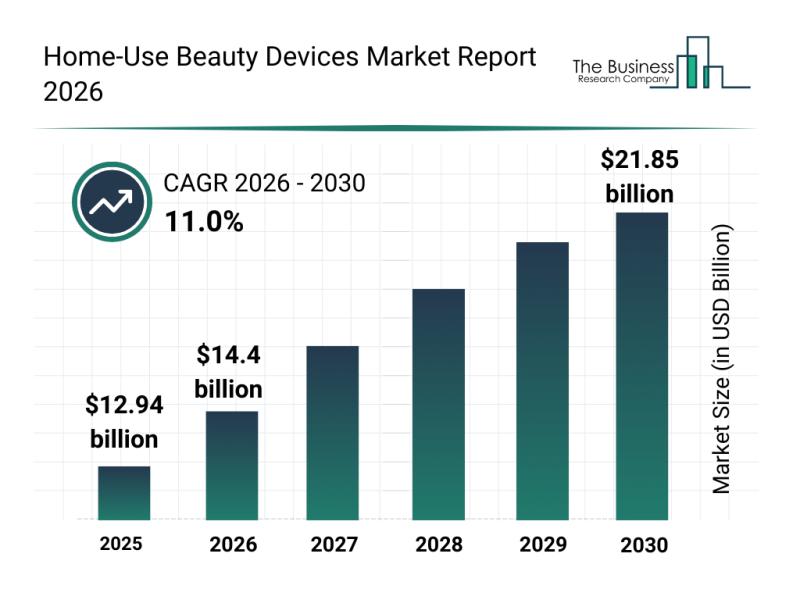
According to market forecasts, the home-use beauty device market is expected to burgeon, reaching an impressive $21.85 billion by 2030. This represents a robust compound annual growth rate (CAGR) of 11.0%. The growth is driven by advancements in technology, a heightened demand for personalized beauty solutions, and an increased consumer awareness about skin health. Many users are now seeking budget-friendly alternatives to professional treatments, with compact, user-friendly devices gaining traction.
Key trends expected to shape this market include the rise of professional-grade tools for home use, multifunctional gadgets, non-invasive treatment options, and a growing focus on personalized skincare. The increasing popularity of portable devices is also noteworthy.
Leading Brands in the Market
Several companies are at the forefront of the home-use beauty device industry, including:
- The Procter & Gamble Company
- Panasonic Corporation
- Xiaomi Corporation
- L’Oréal S.A.
- Philips N.V.
- Conair Corporation
- NuFACE LLC
One recent strategic acquisition is by IBeauty Brands Inc., which expanded its portfolio by acquiring Voloom in April 2024, enhancing its offerings in hair care technology.
Technological Innovations Driving Demand
Innovation is a key driver of growth in this sector. Industry leaders are investing in cutting-edge technologies, including intense pulsed light (IPL), which provides effective and painless hair removal as well as skin rejuvenation benefits. For example, Foreo AB’s release of the Peach 2 device showcases how incorporating ergonomic design and smart technology can revolutionize user experience.
Types of Home-Use Beauty Devices
The home beauty device market is divided into various segments:
-
By Type:
- Hair Removal
- Cleansing
- Acne Treatment
- LED Therapy and Photo Rejuvenation
-
By Technology:
- Laser or Light
- Vibration
- Radio Frequency (RF) Energy
-
By Application:
- Specialty Stores
- Online Channels
Detailed Breakdown of Product Categories
- Hair Removal: This includes IPL hair removal devices, epilators, and electric shavers.
- Cleansing: Options such as facial brushes and ultrasonic cleaners fall into this category.
- Acne Treatment: Light therapy devices and sonic brushes help address acne concerns.
- LED Therapy: Devices offering red and blue light therapies for anti-aging benefits.
- Oxygen Facial Devices: Tools such as facial steamers enhance skincare routines.
- Hair Growth: Products including laser combs promote scalp health.
This segmentation showcases the extensive range of options available to address varying consumer needs.
Conclusion
The home-use beauty device market is not just expanding — it’s reshaping the future of personal care. With technological advancements and increasing consumer demand, this industry offers exciting possibilities for the average consumer to elevate their skincare routine from the comfort of home. As companies continue to innovate and diversify their product offerings, staying informed about the latest trends and devices can lead to more effective and personalized beauty experiences.
By embracing these innovations, anyone can find the right tools to support their skincare journey.