Embracing Mental Fitness: Lessons from NASCAR
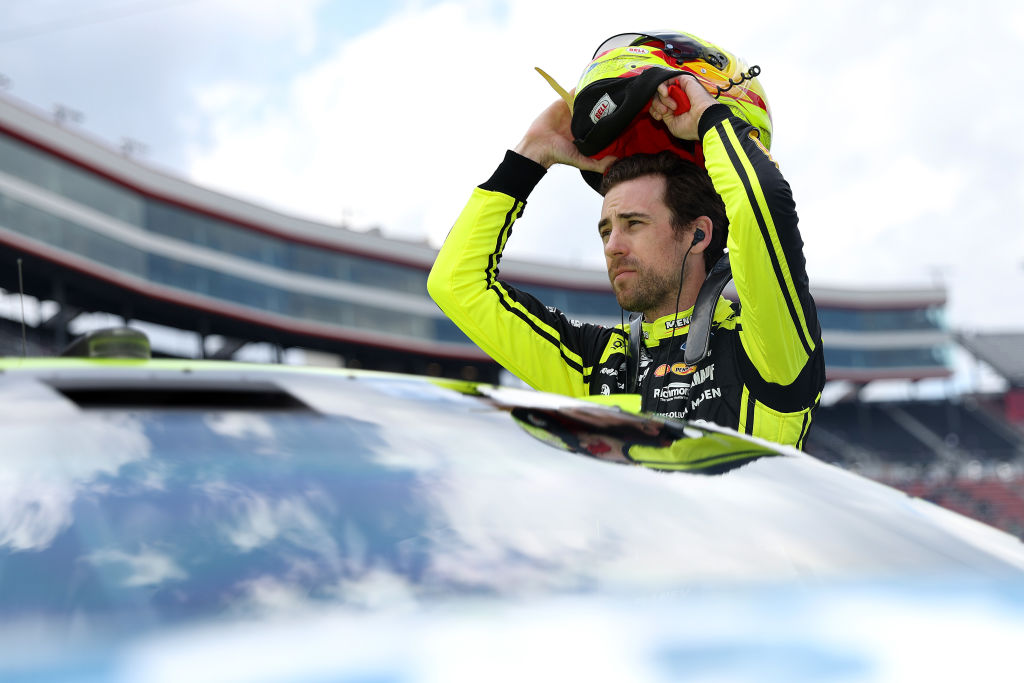
In the fast-paced world of NASCAR, where every second counts, Ryan Blaney has achieved remarkable success with 17 wins in the Cup Series. However, the Team Penske driver is not resting on his laurels. As he gears up for the 2026 season, he is refocusing his strategy by emphasizing mental fitness, an essential component for success both on and off the track.
Reflecting for Growth
Blaney believes in the power of reflection for continuous improvement. He invites his team to evaluate past performances, exploring not only the areas that require enhancement but also the strengths to build upon. “In the winter, I always have my entire group sit down and ask, ‘What did we do poorly? How can we improve? What did we do well, and how can we build on that?’” This approach is vital for both personal and team development.
One Race at a Time
During the racing season, Blaney emphasizes the importance of focusing on the present. He and his team have learned to compartmentalize their experiences—celebrating victories while pushing past challenges. “The biggest lesson we learned was to forget the bad weeks and move on,” Blaney said. This mentality helps prevent negative thoughts from lingering, allowing the team to concentrate on subsequent races.
Staying Organized for Success
Blaney has a structured routine to ensure he remains mentally sharp. “I try to get all my post-race analysis done by Sunday night or Monday by lunch, and then it’s, ‘Alright, what’s next?’” This proactive approach not only clears his mind but also helps him focus on his next goals without distraction from the past.
Goals Beyond the Race Track
While winning remains the ultimate objective, Blaney’s perspective extends beyond just the races. He recognizes the importance of preparation during the offseason. “It’s always a fun challenge. You hope the work you’ve done pays off. I expect big things from us, and I expect to contend.” This mindset shows that he is deeply invested in both individual and team excellence.
The Role of Leadership
Blaney also understands the significance of leadership within the team environment. He notes, “How you conduct yourself is crucial. Winning does fix a lot, but we learn more during tough times.” By navigating challenges together, teams can strengthen their resilience and foster creativity in overcoming obstacles.
Conclusion: The Importance of Mental Fitness
Ryan Blaney’s journey illustrates that success in competitive sports requires more than just physical skill; mental fitness is equally critical. By adopting a reflective and proactive approach, both athletes and teams can enhance their performance under pressure. As discussions around mental health in sports continue to grow, the emphasis on mental fitness serves as a valuable reminder that achieving greatness is a holistic endeavor.