Achieving Optimal Fitness in Your 60s: Practical Goals for Strength, Endurance, and More
As we age, maintaining our physical fitness becomes increasingly important, not only for prolonging life but for enriching the quality of those years. Entering your 60s doesn’t mean giving up on strength and fitness; rather, it’s about adapting your goals to reflect your changing body and lifestyle. Let’s explore practical fitness benchmarks designed specifically for men in their 60s, emphasizing reasonable goals that accommodate various fitness backgrounds.
Understanding Fitness Goals
Fitness expert Alain Gonzalez recently shared valuable benchmarks for men starting at age 40 and beyond. We’ve adapted these standards for those in their 60s, ensuring they are realistic and take into account individual training experiences.
Strength: Your Foundation
Strong muscles are vital for overall well-being as you age. Gonzalez emphasizes that strength is a significant predictor of longevity and quality of life. For men in their 60s, the strength standards reflect a 20% reduction from their 40s benchmarks. Instead of focusing solely on one-rep maximums (1RMs), we advocate incorporating 5- and 10-rep maximum goals for a more practical assessment of strength.
Strength Benchmarks for 60s:
- 1RM Benchmark: Approx. 1.3 times bodyweight
- 5RM Goal: Approx. 1.1 to 1.15 times bodyweight
- 10RM Goal: Approx. 0.9 times bodyweight
Exercise Variations:
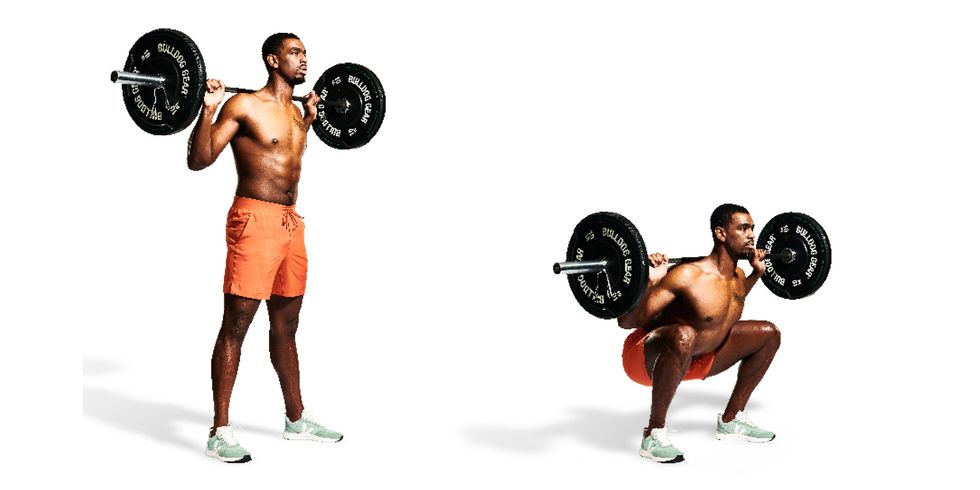
- Barbell Back Squat
- Safety Bar Squat
- Smith Machine Squat: Add about 10% to your target load since it offers less stability.
Make sure your squat form is solid, reaching depth and maintaining proper alignment.
Endurance: Lasting Power
Endurance is crucial for joint health and overall functionality. To enhance your muscular endurance, aim to hold a dead hang for at least 60 seconds. If that feels too challenging, break it down into manageable sets.
Progression Suggestion: Start with three sets of 30 seconds or shorter variations until you build up the strength.
Adjusting your endurance exercises can positively affect your daily activities and recovery time between workouts.

Power: Quick Reaction
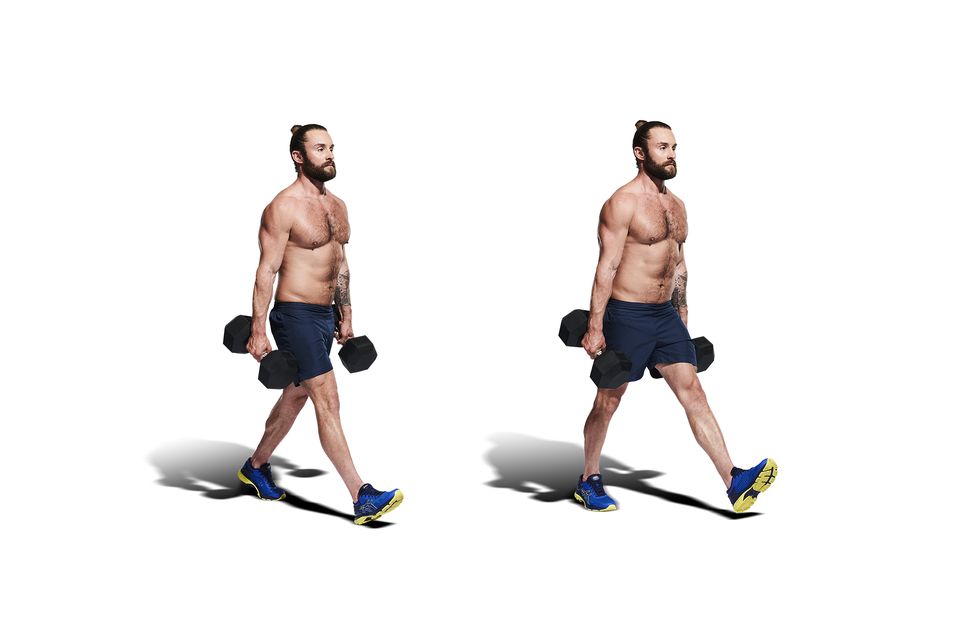
Power tends to decline faster than strength, so it’s crucial to incorporate power-testing exercises in your routine. A simple yet effective test is to carry your bodyweight evenly in each hand for 100 feet. This exercise will test grip strength, posture, and stability.
Broad Jump: Aim to jump at least your own height to gauge your explosive power.
Cardiovascular Fitness: Keeping the Heart Strong
For your cardiovascular benchmarks, a one-mile run should ideally be completed in just under nine minutes. This target reflects the adjustment for age—adding approximately 30 seconds for every decade beyond your 40s.
Consistent cardiovascular training helps improve your overall endurance and aids in recovery.
Balance: A Key Component
As balance can subtly decline with age, it’s essential to monitor and improve it to reduce fall risks. A simple balance test is the Single-Leg Stand with eyes closed, aiming for 10-15 seconds on each leg.
Successfully balancing for the target time indicates good neuromuscular control and coordination.
The Bottom Line
These benchmarks serve as guidelines rather than strict pass/fail tests. They provide valuable reference points to help you identify areas of strength and opportunities for improvement. Remember that even achieving 50-70% of these goals puts you ahead of many peers.
Your 60s can be a fantastic period for fostering strength, endurance, power, cardio fitness, and balance. With a consistent and sensible training approach, improvement is absolutely possible—even well into your later years.
Conclusion
Fitness in your 60s is about adapting your approach and setting achievable goals. The journey may require adjustments, but with dedication and commitment, you can significantly enhance the quality of your life. Listen to your body, tailor your fitness standards to your abilities, and keep striving to improve. Remember, every step toward better health counts!