Brandy, like many spirits, has navigated a challenging landscape in recent years, especially after the pandemic. Changing consumer preferences have left traditional categories such as Cognac and Armagnac struggling. However, a fresh wave of producers is revitalizing the sector.
From boutique Cognac estates to innovative craft distillers in London, brandy is transforming into a vibrant, flavor-rich spirit that attracts both bartenders and a new generation of consumers. Gone are the days of brandy being solely about sipping from large glasses near a fireplace; instead, innovation and creativity are bringing it back into the limelight.
So, what is fueling this resurgence?
The Evolving Landscape of Cognac
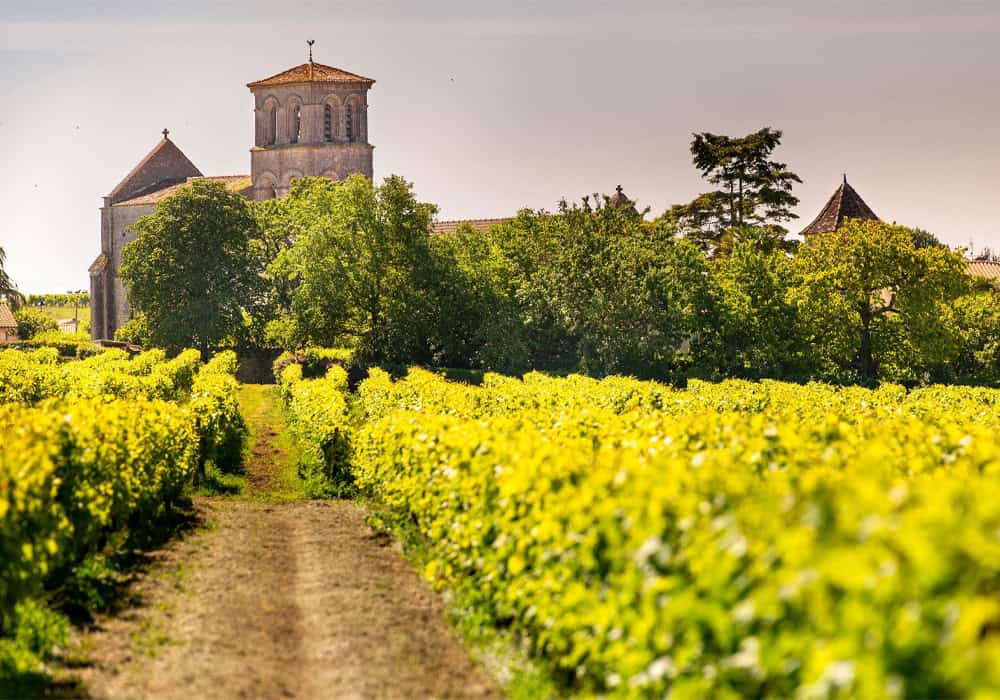
A vineyard in Cognac, France
Let’s start with Cognac, renowned as the leading brandy-producing region worldwide. Historically, this territory has been dominated by the ‘Big Four’ Cognac houses: Courvoisier, Hennessy, Martell, and Rémy Martin. To provide some context, Hennessy alone oversees more than half of the vineyard acreage in Cognac. However, this landscape is changing.
“Smaller producers have typically sold their grapes or eau de vie to the larger Cognac houses,” notes Amy Pasquet, joint Managing Director at the boutique house Jean-Luc Pasquet. “Now, they’re harnessing the opportunity to create their own labels and bottlings. There are over 200 indie brands emerging in Cognac, each showcasing its unique character.”
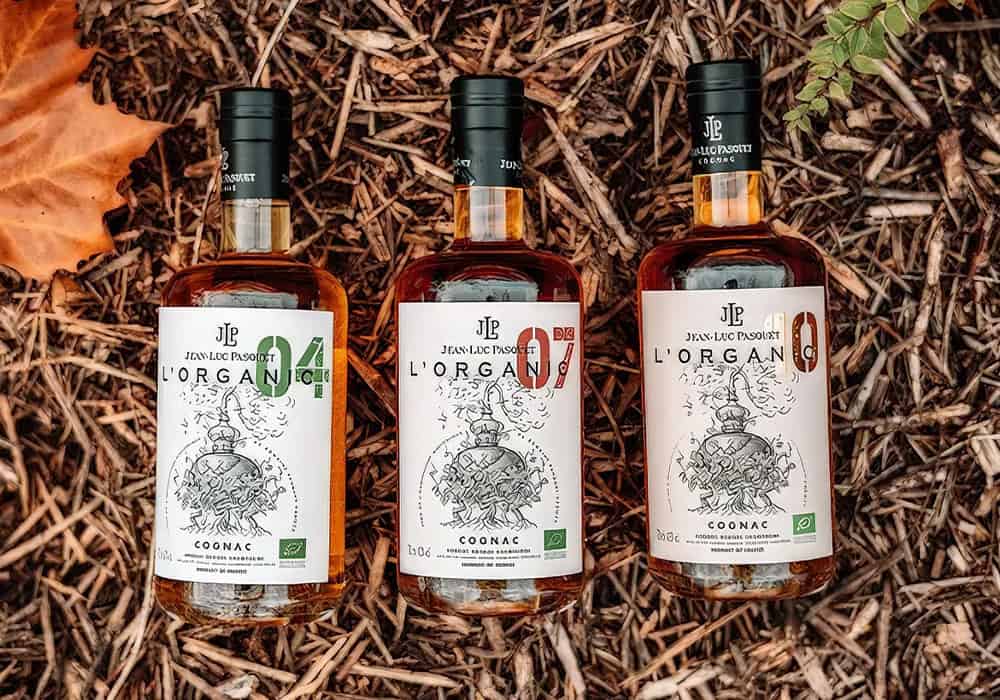
Jean-Luc Pasquet Organic Cognac
“This trend has developed over the last decade, but we were among the pioneers,” she adds. “While adhering to regional regulations, producers are now exploring diverse perspectives—like single grape variety Cognacs, organic offerings, or B-Corp certified brands—creating contemporary styles and flavors that entice new consumers.”
Jean-Luc Pasquet is an independent, family-run establishment operating on a modest 14 hectares (34.5 acres) of vines. The winery adopted organic practices in the mid-1990s and introduced one of the world’s first truly organic Cognacs a decade later. Today, they boast a core range labeled with age statements of 4, 7, and 10 years, moving away from the traditional V.S. or V.S.O.P. classifications, and continue to challenge the norms of the category.
Recommended: Jean-Luc Pasquet L’Organic Folle Blanche
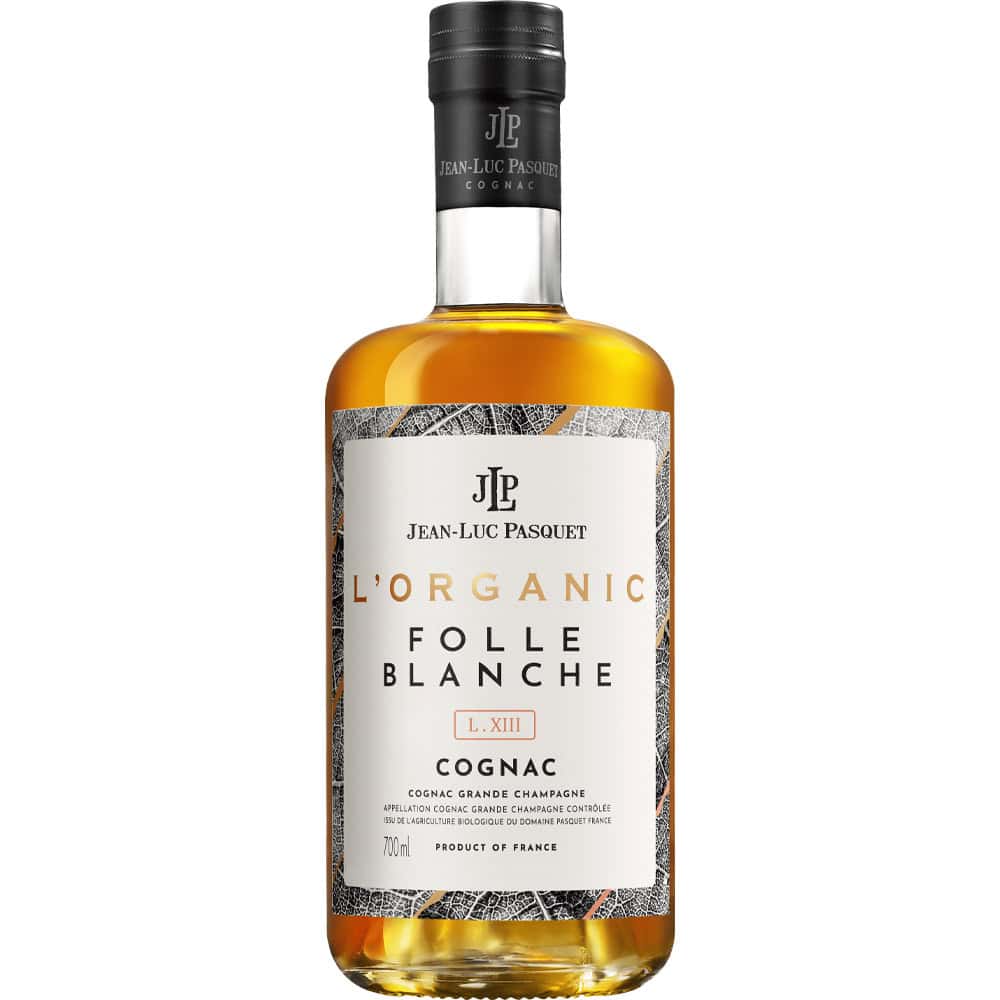
This standout example from a small producer highlights the exploration of a single grape variety within its offerings. Crafted entirely from 100% Folle Blanche grapes—one of the three main grape types in Cognac, along with Colombard and Ugni Blanc—it is aged for over a decade.
Anticipate vibrant notes of orange peel, honeysuckle, fresh peach, honey, and ripe plums. This makes for an excellent choice on warm days.
Discover it at Jean-Luc Pasquet
—
Innovation in French Brandy
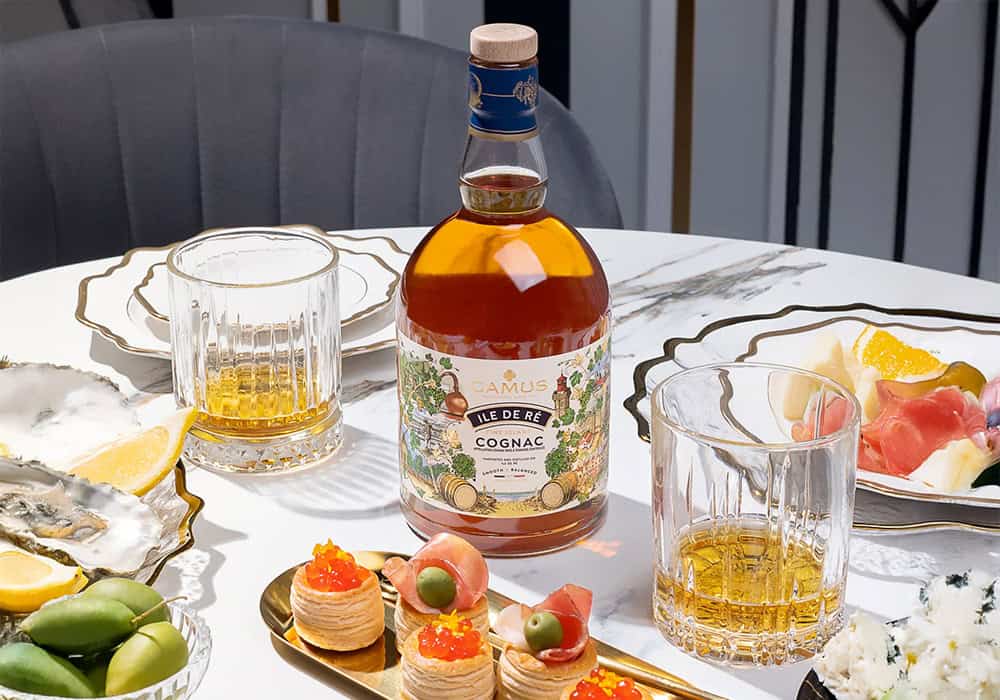
Camus
The realm of brandy innovation isn’t confined to Cognac. Other traditional French brandy regions, including Armagnac and Calvados, are adopting techniques from the whisky sector, such as cask finishes that enhance complexity and broaden their appeal.
“French brandy-based spirits are evolving rapidly,” asserts Anthony Parker, UK Brand Manager at Camus. “Cognac is rooted in tradition, yet there’s a refreshing shift in mindset. Products like our Camus Ile de Ré convey this message and encourage younger consumers to explore brandy, often for the first time.”
Recommended: Camus Ile de Ré
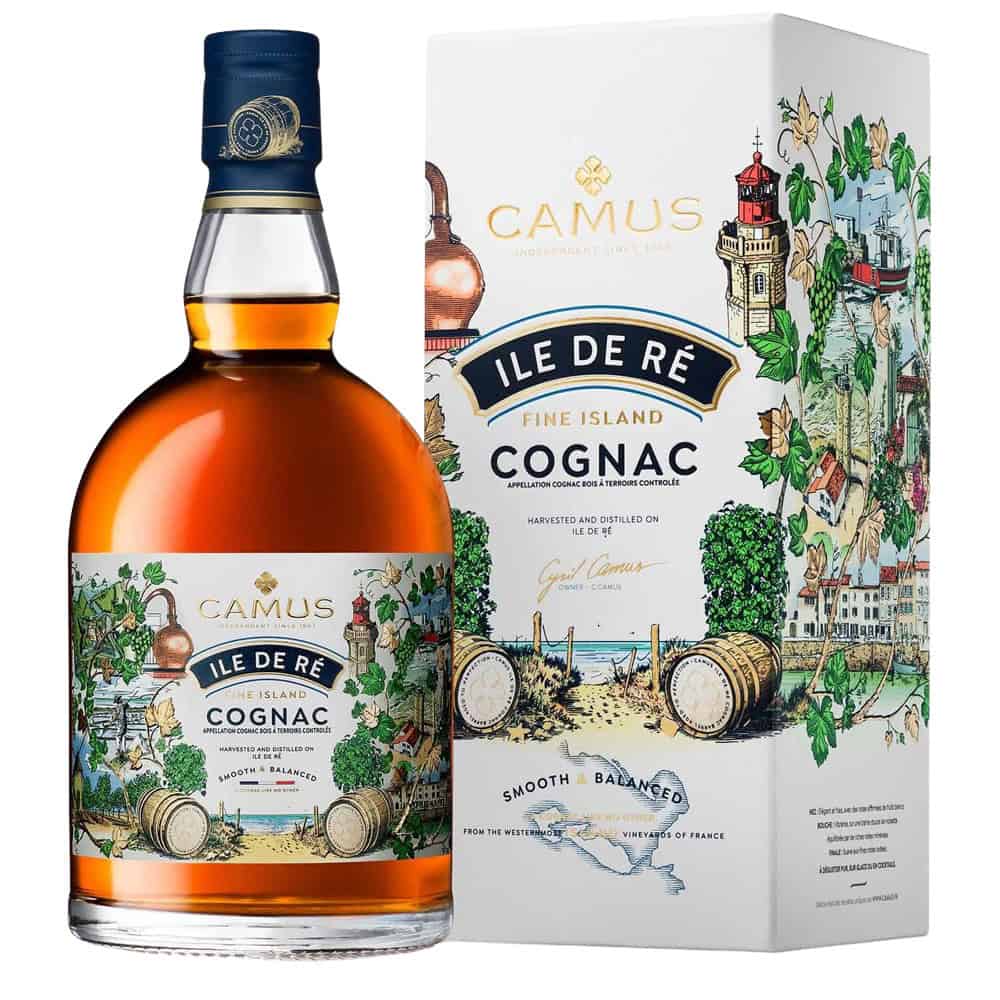
This Cognac has become a favorite among trendy bar-goers in Paris. Camus has departed from tradition by using grapes exclusively from the Ile de Ré—an often-overlooked sandy island off the west coast of Cognac. The spirit is aged in the fresh Atlantic breeze, resulting in a crisp, accessible Cognac that carries a remarkable elegance and minerality.
It’s best enjoyed chilled or directly from the freezer.
—
The Brandy Boom Worldwide
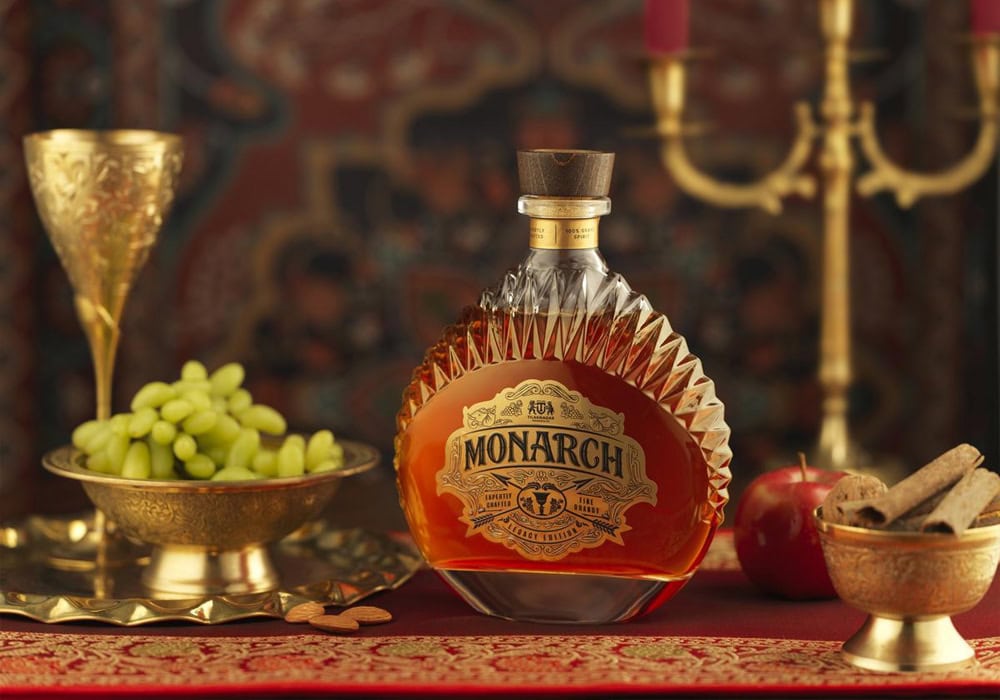
Monarch Legacy Edition by Tilaknagar Industries
The wave of innovation in brandy extends beyond France. Across the globe, craft distillers are reimagining what this spirit can embody.
In Eastern Europe, South Africa, and Spain, small-scale producers are utilizing diverse fruits and methods to create distinctive regional styles.
Even in India, where whisky typically reigns supreme, premium brandy has begun to make a mark. Tilaknagar Industries has recently introduced the Monarch Legacy Edition, a luxurious blend of French grape eaux-de-vie and Indian grape spirits sourced from the Sahyadri region in Maharashtra.
The UK’s Pioneer Brandy Distillery
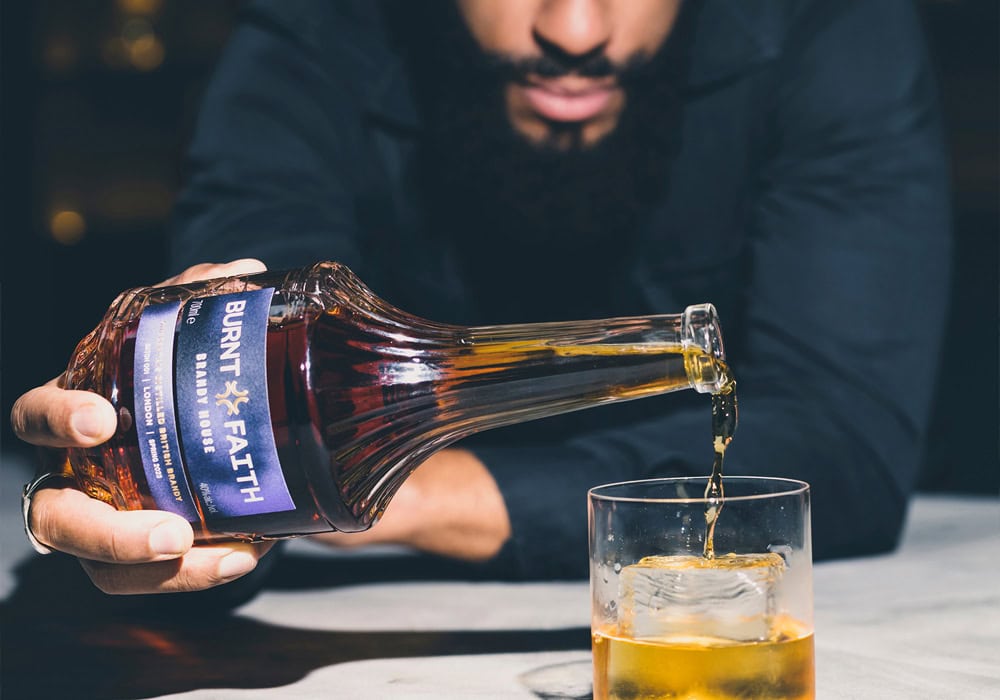
Burnt Faith, London
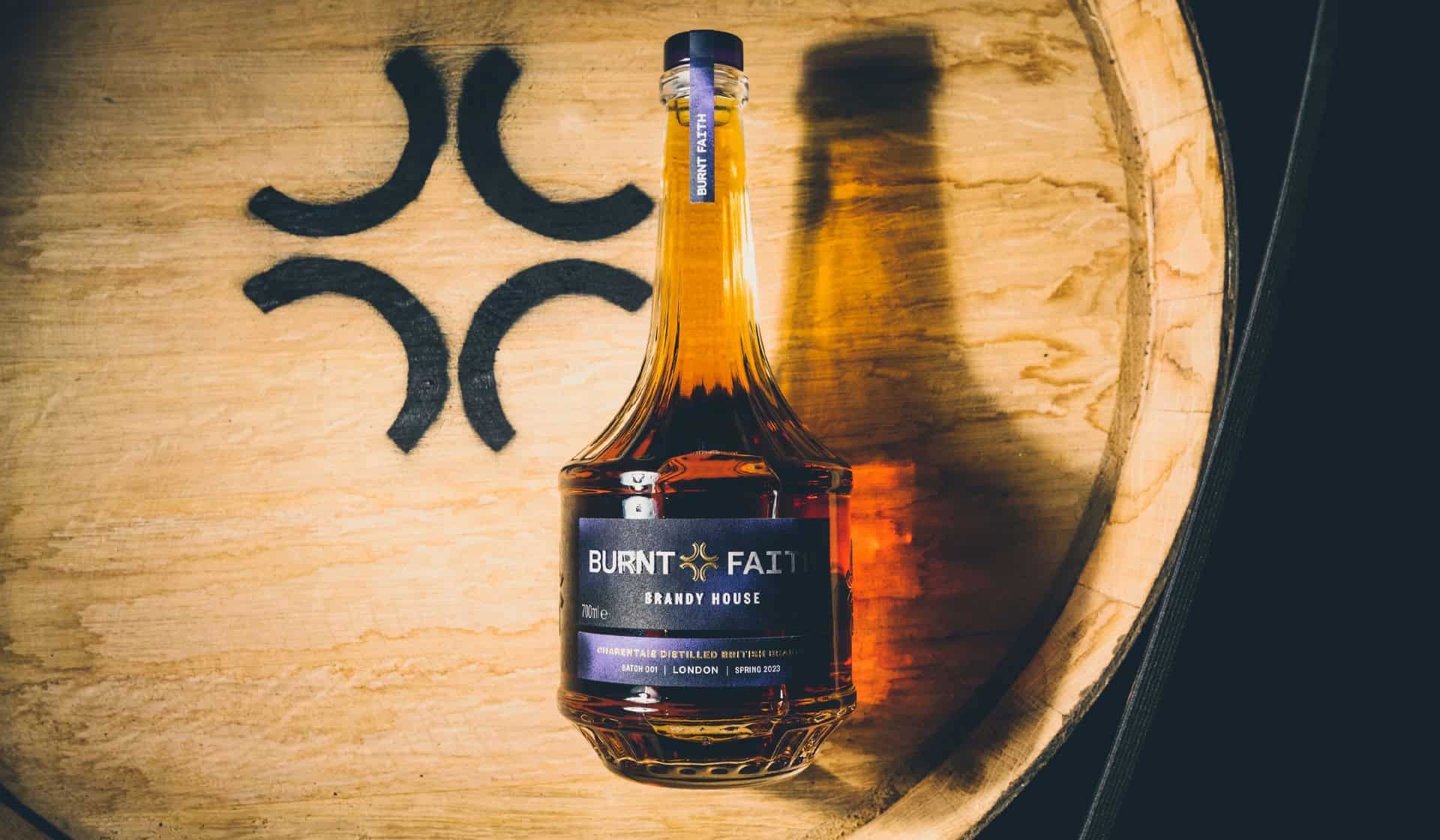
In London, Burnt Faith is making its mark as the UK’s first dedicated brandy distillery. Free from the stringent regulations typical of Cognac production, the distillery aims to unlock brandy’s full potential, which is often constrained by regional laws elsewhere.
The only Charentais still (the traditional method employed in Cognac) in Britain is found here, where they harness grape varieties from around the world, including Chardonnay, Muscat Blanc, Sauvignon Blanc, and Trebbiano.
The distillery employs varied distillation approaches and matures the spirit in an eclectic mix of cask types—such as ex-bourbon, ex-cherry liqueur, ex-Cognac, and ex-Pineau des Charentes barrels.
Recommended: Burnt Faith Batch One
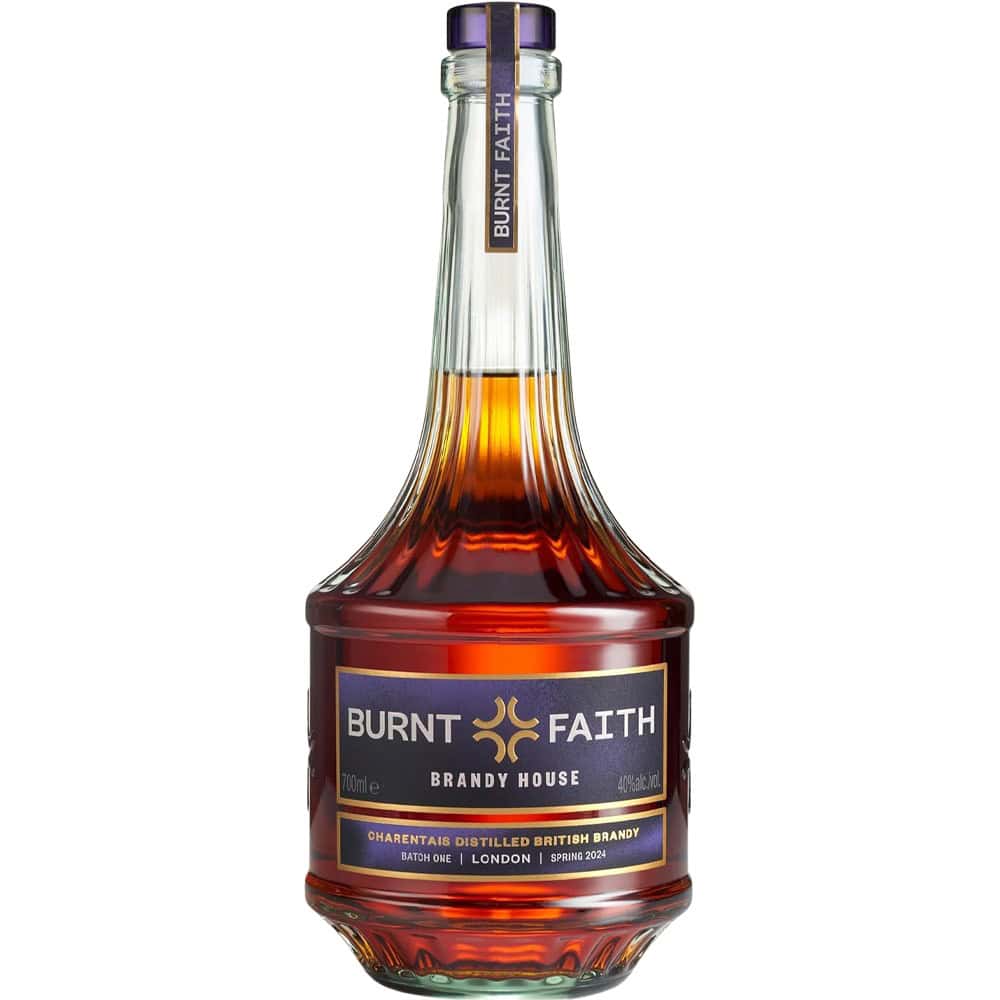
This brandy is distilled, aged, blended, and bottled entirely in the UK. Made from a proprietary four-grape recipe and matured in a distinctive combination of four types of cask, it’s already gaining significant traction, with Batch One appearing in several major supermarkets.
Expect flavors of butterscotch, caramel, and orange marmalade, complemented by subtle hints of cocoa and chocolate-covered cherries. Ideal for sipping neat, over ice, or as part of a cocktail. Speaking of cocktails…
—
Brandy in Contemporary Cocktail Culture
For too long, brandy has been labeled as dated and limited in use. However, bartenders and producers are showcasing its versatility, proving it can be enjoyed neat, on the rocks, or in innovative cocktails.
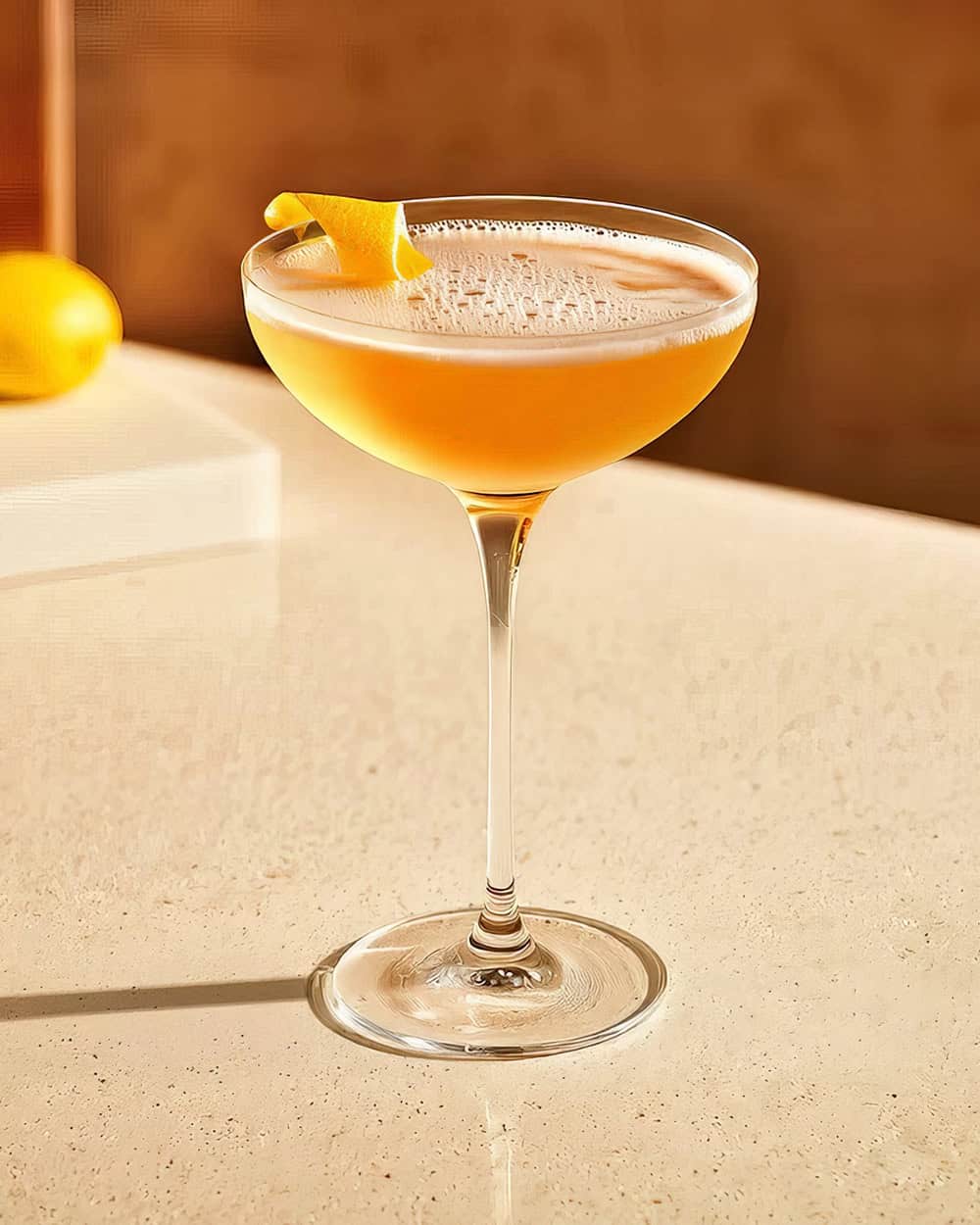
A Classic Brandy Cocktail: Sidecar
Remy Martin
To make a classic Sidecar, combine 40ml Cognac (a V.S. or V.S.O.P. works well), 15ml orange liqueur, 20ml fresh lemon juice, and 10ml simple syrup in a shaker with ice. Shake until your hands feel cold. Strain into a coupe glass and garnish with orange peel for a rich flavor or lemon peel for a refreshing touch.
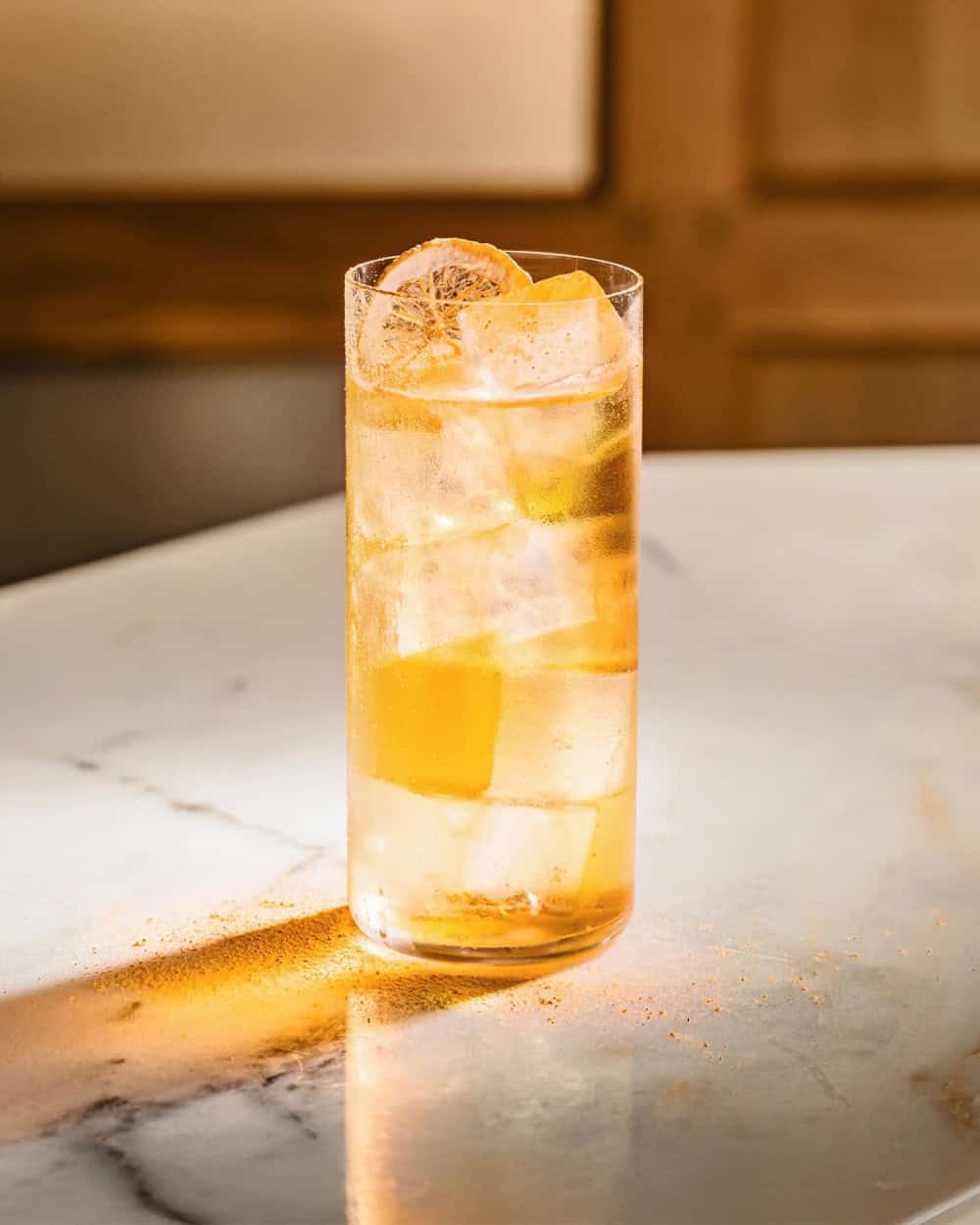
A Modern Take: Sidecar Cooler
Remy Martin
For a refreshing twist, halve the ingredient quantities of the classic recipe, shake, strain into a tall highball glass filled with ice, and top with sparkling or soda water. Garnish with a slice of pink grapefruit for extra brightness.
A Unique Twist: Burnt Negroni
Burnt Faith
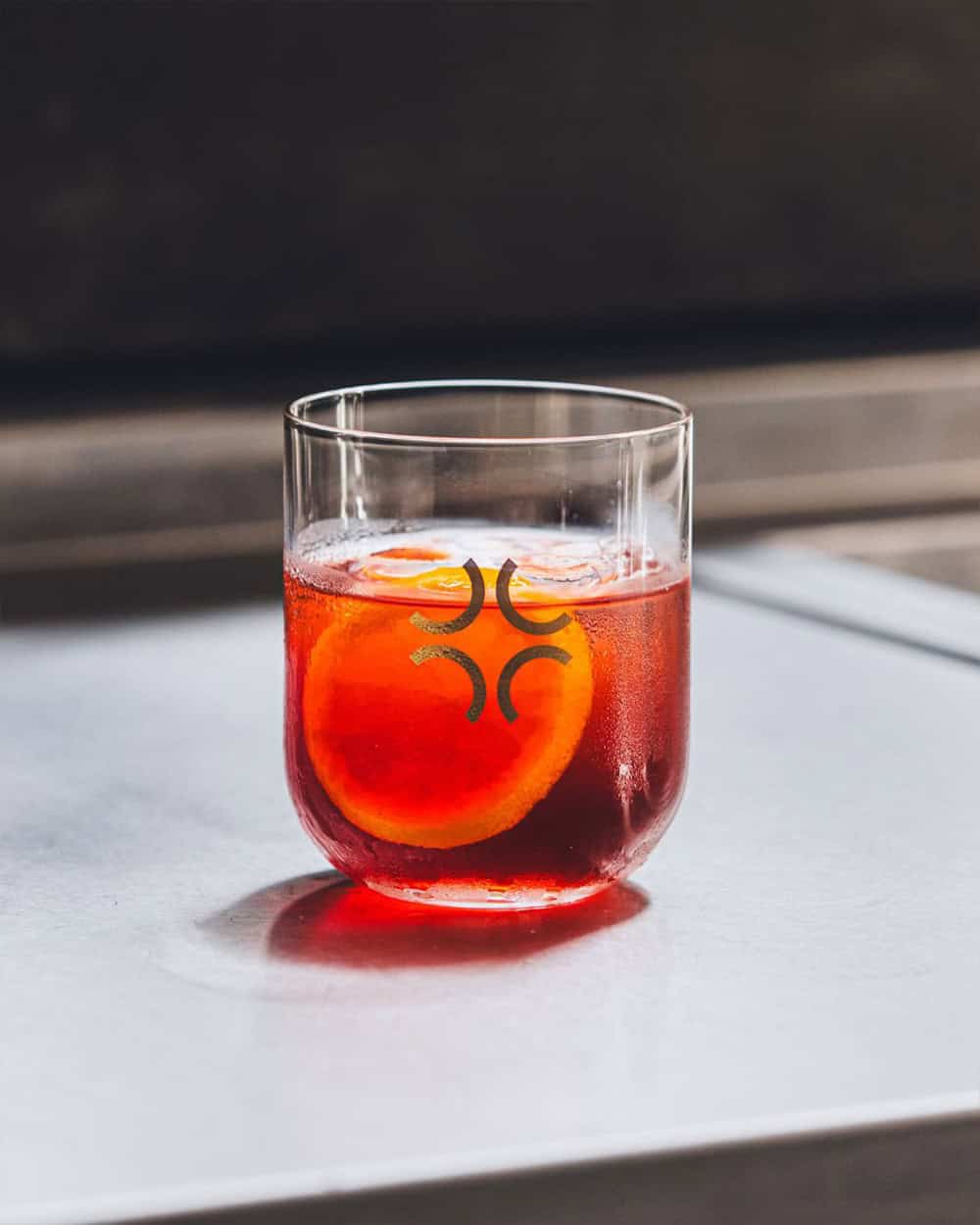
For a fun variation on a negroni, swap out gin for brandy. Combine equal parts (about 25ml each) of Burnt Faith (or any preferred brandy), sweet vermouth, and Campari in a mixing glass filled with ice. Stir, strain into a chilled tumbler filled with fresh ice, and finish with an orange slice for garnish.
—
Brandy is Making a Comeback
Brandy is reclaiming its prominence in the world of modern spirits. Whether it’s a boutique Cognac, a craft distillation from the UK, or a groundbreaking Indian blend, now is the perfect time to explore the rich and diverse offerings within this category.
Some may view brandy as an outdated drink suited solely for the older generation or believe it lacks versatility compared to other spirits. This misconception is rapidly fading. Brandy can shine in both classic and modern cocktails, as demonstrated by innovative brands pushing the envelope.
Increasingly, brandy is asserting itself, vying for attention alongside other spirits, attracting both seasoned enthusiasts and newcomers eager to discover new flavors. It’s a thrilling time for brandy enthusiasts, signaling its return to the forefront of the drinking scene.
With brandy regaining its status, buckle up for an exciting journey ahead.