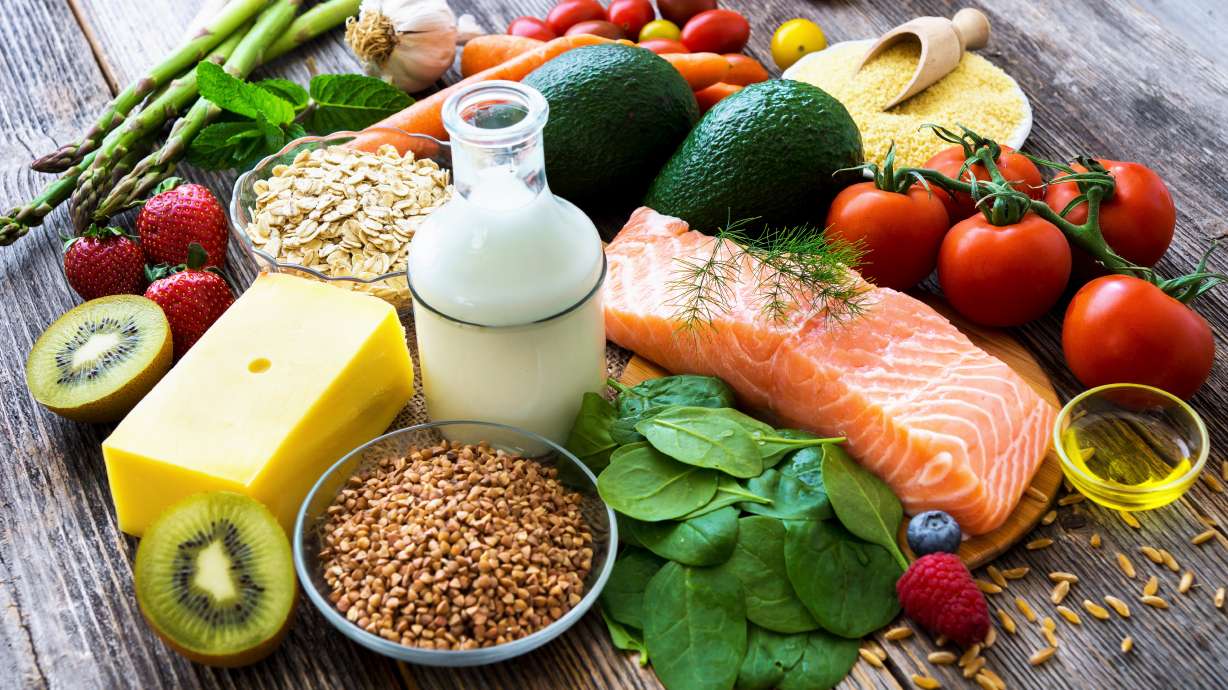
For many years, Americans followed what they believed to be “healthy” nutritional advice; however, the rise in obesity, type 2 diabetes, and metabolic diseases suggested otherwise. In a recent acknowledgment, both the FDA and USDA have come to recognize that the traditional food pyramid was ineffective.
The newly revised federal dietary guidelines represent a significant shift in our approach to nutrition. This reset emphasizes moving away from refined carbohydrates and ultra-processed foods, placing greater importance on protein, healthy fats, whole foods, and metabolic health. This change is not merely superficial—it’s a necessary correction.
Nutrition expert Joel Bikman points out that the previous food pyramid misrepresented how the body manages energy and fat storage. “When dietary guidelines are not in sync with biology and real-world outcomes,” he states, “the results are massive health issues, as we see today.”
The Flaws of the Previous Food Pyramid
Carbohydrates as the Foundation
For a significant period, the food pyramid’s base was comprised of grains and carbohydrates. Bread, cereal, rice, and pasta were seen as essential, while protein and fats were relegated to secondary status. While this approach was intended to provide energy, it led to excessive consumption of foods that elevate blood sugar and insulin levels.
Elevated insulin levels encourage fat storage, increase hunger, and diminish metabolic adaptability. Over time, this trend has contributed to insulin resistance—the common thread linking obesity, diabetes, heart disease, and fatty liver disease.
Bikman emphasizes that carbohydrates are unique in their ability to significantly raise insulin levels. “These were wrongly positioned as the diet’s foundation,” he explains. “This fundamental mismatch accounts for much of our current metabolic health crisis.”
The Stigmatization of Fat
The old pyramid also perpetuated a negative view of dietary fat—especially saturated fat—despite a plethora of scientific evidence suggesting that saturated fats can be beneficial to health. Low-fat foods were promoted, while whole-food fats were discouraged. Sadly, removing fat often meant introducing sugar and refined starches to enhance taste.
This aversion to fat had unexpected side effects. People experienced increased hunger, leading to less satisfying meals, and they turned to ultra-processed foods to fill the void. Meanwhile, natural fats found in eggs, dairy, nuts, and oils—staples of human diets for countless generations—were unjustly ignored.
Bikman notes, “Healthy fats are vital for digestion, hormone production, and appetite control. Excluding them while increasing carbohydrates was a recipe for metabolic disaster.”

Calories Without Context
A major shortcoming of the old dietary system was its singular focus on calories, neglecting hormonal reactions. Two meals with identical calorie counts can affect blood sugar, insulin, and hunger levels quite differently. The previous food pyramid allowed individuals to follow the guidelines while consuming diets that contributed to insulin resistance.
“Calories are important,” says Bikman, “but hormones dictate how your body utilizes those calories.”
Key Improvements in Updated Recommendations
The new dietary guidelines underscore a growing consensus that food quality and its metabolic effects are more crucial than rigid macronutrient ratios.
Elevating Protein’s Role
One notable change is the increased emphasis on protein. Rather than merely meeting minimum requirements, the new recommendations advocate for sufficient protein intake at every meal. Protein not only supports muscle mass and metabolic rate but also helps stabilize blood sugar and prolong satiety. This creates a lasting feeling of fullness, something that carbohydrates often fail to provide.
“Protein stands out as the most metabolically protective macronutrient,” asserts Bikman. “By prioritizing protein, various health markers improve naturally.”
Reassessing Healthy Fats
The updated guidance shifts away from an outright rejection of fat, instead highlighting whole-food fat sources that are substantiated by science. This includes fats from oils, eggs, and dairy, which not only promote satiety but also support energy balance.
This redefinition aligns more closely with human metabolic evolution, reducing reliance on ultra-processed, low-fat products that often contain hidden sugars.
Reducing Sugar and Ultra-Processed Foods
For the first time, the FDA has implemented strict limits on added sugars and refined carbohydrates in foods labeled as “healthy.” Highly processed foods are clearly deprioritized. This is a crucial development since added sugars are significant contributors to insulin spikes and metabolic issues. Cutting back on these improves blood sugar management, appetite control, and long-term health outcomes.
Bikman succinctly states, “To enhance metabolic health at scale, cutting down on sugar is essential.”
Bridging the Gap Between Guidance and Practice
While these new recommendations are a leap forward, understanding what to eat and actually sticking to those choices can be quite different. Busy lifestyles, convenience foods, and decision fatigue often hinder even the most motivated individuals.
This gap between knowledge and action is where HLTH Code becomes relevant.
How HLTH Code Supports the New Food Pyramid
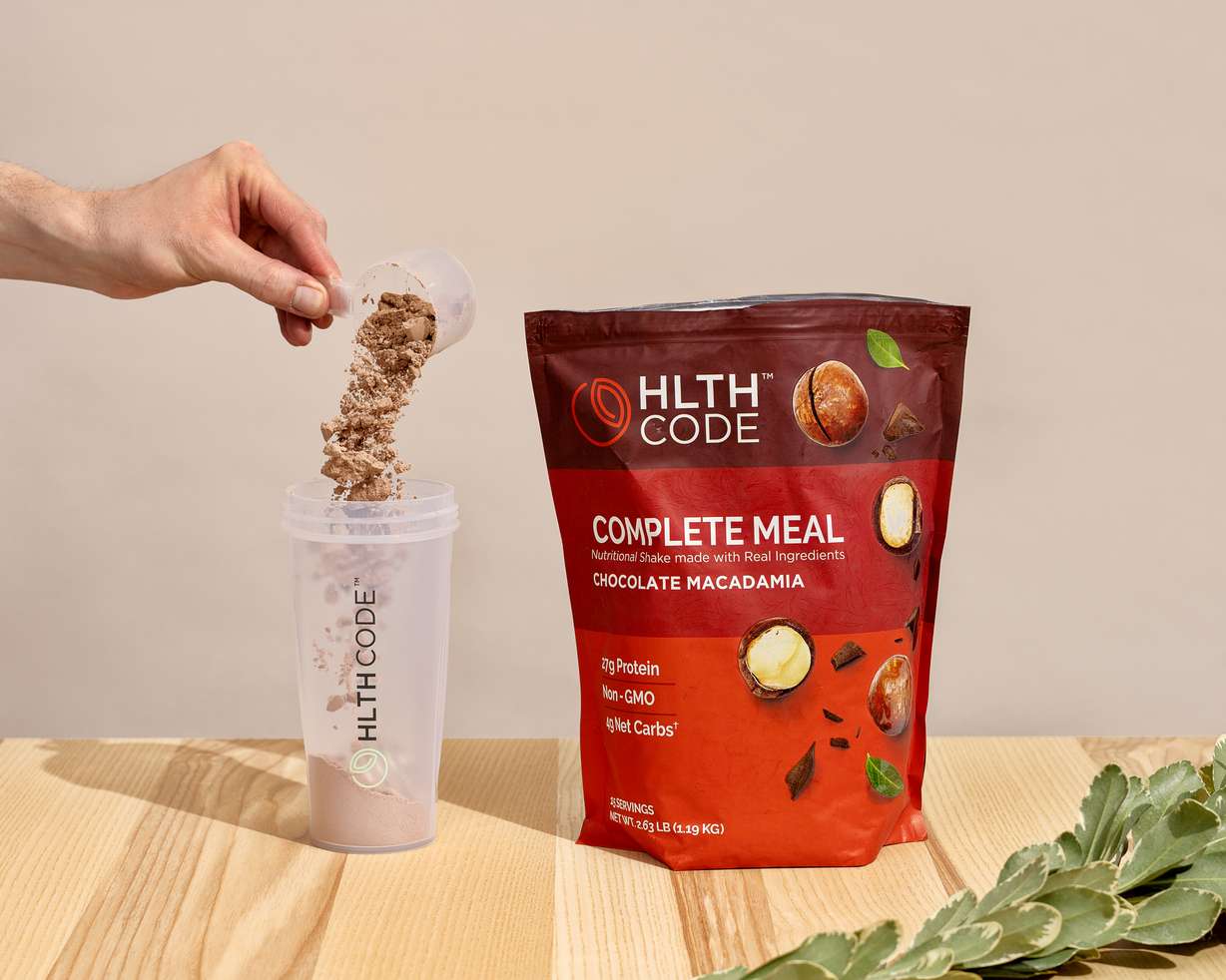
HLTH Code was developed by Bikman and a team of nutritional and metabolic experts, aligning with the principles encapsulated in the revised guidelines: high-quality protein, healthy fats, controlled carbohydrates, and zero added sugar—offered in a convenient and enjoyable format.
Unlike standard protein shakes, HLTH Code serves as a complete meal replacement, delivering balanced and optimized nutrition that fosters blood sugar stability, overall wellness, and satiety.
Bikman explains the goal was to create a product people could depend on consistently: “Most people don’t fail due to lack of care; they fail because nutrition has become overly complex, costly, or inconvenient.”
Designed for Metabolic Health
Each delicious serving of HLTH Code Complete Meal highlights protein as the dietary cornerstone, complemented by healthy fats that enhance protein absorption and promote metabolic and brain health. It also provides probiotics and prebiotic fiber to support gut health, along with essential vitamins and more.
This results in a meal that avoids sharp spikes in glucose, ensuring steady energy levels—a crucial objective outlined in the updated dietary framework.
Simplicity Without Sacrifice
A standout feature of HLTH Code is its ability to simplify the process of healthy eating. Instead of spending time planning, preparing, and tracking every meal, individuals can easily incorporate a nutritionally complete option aligned with modern dietary science.
“For most individuals—from young mothers to athletes and office workers to senior citizens—a HLTH Code shake represents the easiest, most convenient, and healthiest meal they can have,” states Bikman. This simplicity is vital, as consistency—not perfection—fuels long-term health improvements.

A Long-Awaited Correction
If you’ve faced challenges with your weight, energy, or health, it’s important to know that you are not alone. Many have been misled by outdated food guidelines and quick-fix diets. However, a better approach is available, and countless individuals are demonstrating its effectiveness daily. Consider trying HLTH Code risk-free today.
For exclusive savings on your first order, visit getHLTH.com now.
The opinions and conclusions expressed in this article are those of the sponsor and do not necessarily reflect the views of KSL.com. This site does not provide medical advice. Content such as text, graphics, images, and information obtained from this site is for informational purposes only. It is not intended to serve as a replacement for professional medical advice, diagnosis, or treatment. Always consult your physician or qualified health provider with any questions about a medical condition. Never disregard professional medical advice or delay seeking it due to something you have read on this site! The owner of this site does not endorse any specific tests, physicians, products, procedures, opinions, or other information mentioned herein. Reliance on any information provided by the operator, its employees, contractors, or other visitors is solely at your own risk. In the event of a medical emergency, call your doctor or dial 911 immediately.


