July Marks UV Safety Month
July is UV Safety Month, emphasizing the importance of protecting yourself and your family from the sun and ensuring safety during summer vacations. When selecting a vacation destination, research is essential to ensure it is suitable for children.
Researching Your Destination
If traveling internationally, examine crime rates and vaccination requirements. Once you’ve chosen a safe location, consider the following tips to ensure your family’s safety while traveling.
Tips for Safe Car Travel
-
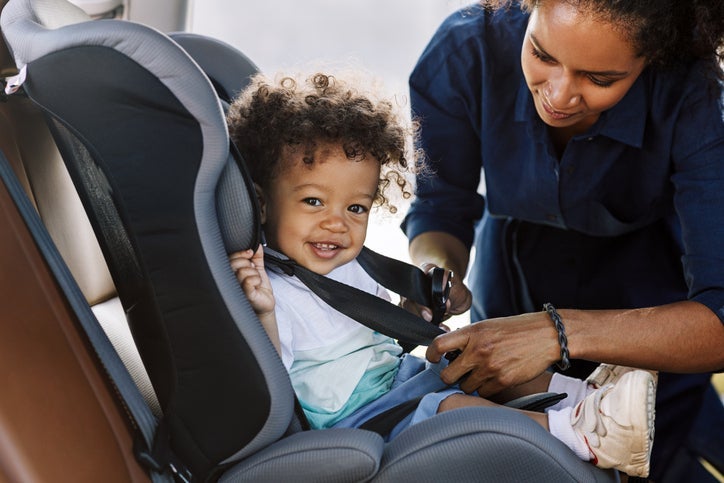
Use Car Seats: Always secure infants and young children in appropriate car seats. Infants should remain in rear-facing seats until they surpass height or weight limits, then transition to a forward-facing seat.
-
Rental Vehicles: If renting a car, check that the seat fits properly, is in good condition, and includes instructions. Children should use booster seats until seat belts fit properly, typically when they reach about 4’9″ tall and between ages 8 to 12.
-
Safety in the Back Seat: Kids under 13 should always sit in the back seat, and rear-facing seats should not be placed in front of airbags.
Tips for Plane Travel
-
Allow Extra Time: Give yourself ample time at the airport, especially with younger children.
-
Dress for Security: Dress kids in layers and easy-to-remove shoes for security screening. Usually, kids 12 and under don’t need to take off their shoes.
-
Use Strollers: Strollers can be taken through security and may be checked for easier navigation through the airport.
-
Prepare Children: Talk to kids about the screening process so they know what to expect.
-
Follow Safety Rules: Remind kids that jokes about threats can cause serious delays. For safety, use an FAA-approved car seat on the plane. Children over 40 pounds may use the seat belt. While booster seats cannot be taken on the plane, they can often be checked.
-
Manage Ear Pain: Help alleviate discomfort during descent using nursing, bottles, gum, or drinks.
International Travel Challenges
Before heading abroad, consult with a doctor about necessary vaccinations or medications for your child. In regions at risk for mosquito-borne diseases, bring mosquito protection.
-
Mitigate Jet Lag: Adjust your child’s sleep schedule 2-3 days before leaving. Once you’ve arrived, encourage outdoor activities to help reset their internal clock.
-
Water Safety: Always stay within arm’s reach of children near water. Pools and beaches may lack lifeguards, and children should wear life jackets on boats.
Planning and researching can make summer travel enjoyable and safe for the whole family.