
In today’s health-conscious world, many individuals are turning to supplements to enhance their well-being. While these products can provide significant benefits, it’s crucial to recognize that some may prove harmful if misused or overconsumed.
Supplements can be particularly beneficial for those who struggle with nutrient deficiencies or require additional vitamins to combat health issues. The prevalence of affordable and safe supplements has led to a surge in their popularity. However, caution is advised, as certain supplements can lead to adverse effects when taken excessively or without need. Below, we explore two such examples.

Having Trouble Sleeping? This Rechargeable Sound Machine Is a Game-Changer

Shutterstock
1. Zinc
Zinc is well-regarded for enhancing immune function, particularly during the cold and flu season. Many believe it can prevent colds or shorten their duration. Despite its benefits, health professionals caution against excessive intake, especially during this vulnerable time of year.
“Zinc is vital for immune response, tissue repair, and neurotransmission,” explains NASM-certified nutrition coach Leilani Rose. “However, consuming more than 40 mg per day can lead to complications. High zinc levels can hinder copper absorption, an essential element for energy production, connective tissue maintenance, and nerve health. A deficiency in copper may result in symptoms like hair loss, fatigue, or cognitive issues. It’s essential to monitor overall zinc intake, especially if you’re taking multiple supplements.”
Shutterstock
2. Ashwagandha
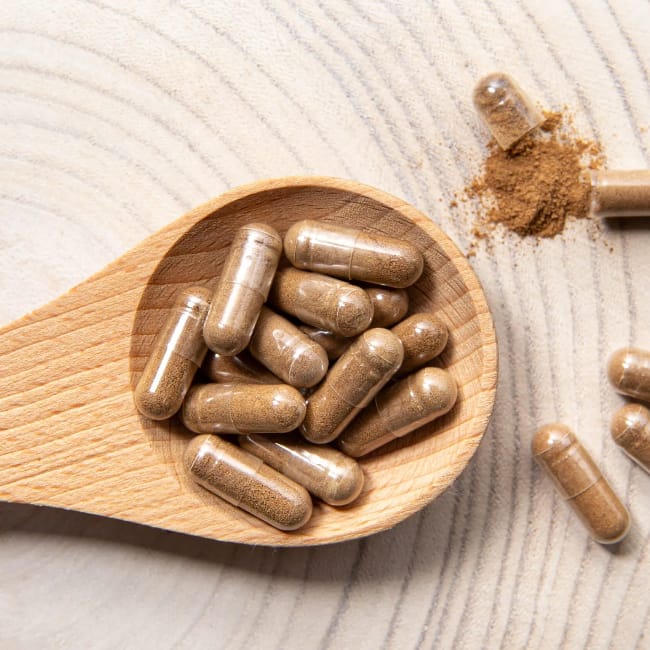
Ashwagandha has gained immense popularity as a remedy for alleviating symptoms of anxiety and depression. However, its use isn’t universally beneficial; adverse effects may arise for some individuals. Consulting a healthcare provider before integrating it into your routine is advisable.
“Ashwagandha is often utilized for stress relief and cortisol management, but it can elevate thyroid hormone levels in some users,” explains functional health practitioner Kristen Blake. “For sensitive individuals, this could exacerbate anxiety, cognitive fog, heart palpitations, or even lead to hair loss associated with thyroid imbalances. Moreover, as an adaptogen that affects neurotransmitters and hormones, it’s crucial to personalize its use instead of taking it indiscriminately.”
In conclusion, while supplements can serve as valuable aids for enhancing health, it’s imperative to approach their use with caution. Understanding the potential risks and consulting professionals can help ensure that your supplement regimen supports your well-being rather than undermines it.