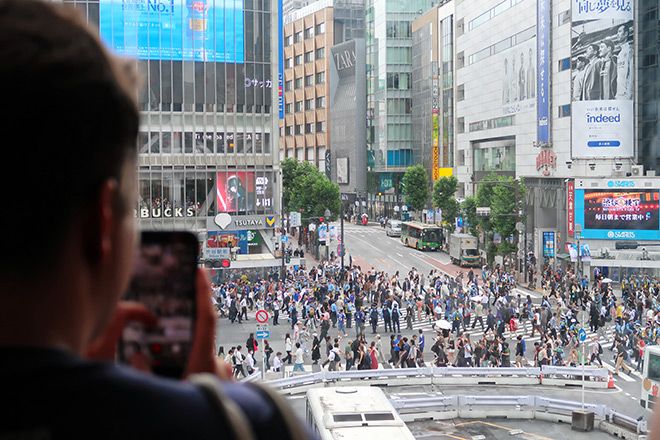
The article discusses the popularity and cultural significance of Shibuya, particularly the famous Shibuya crossing, which has become a global icon for Tokyo. Following Japan’s recent World Cup match, enthusiastic fans celebrated at the crossing, highlighting its status as a key destination for both locals and tourists. Despite a decline in cultural relevance in the late 20th century, Shibuya has experienced a resurgence due to globalization and social media.
Shibuya is the top attraction for tourists in Tokyo, surpassing well-known areas like Ginza and Tokyo Station. The area’s redevelopment, which includes improved pedestrian access and modern skyscrapers, aims to create a new urban landscape while attracting tech companies and startup culture. However, concerns remain about the potential loss of cultural authenticity in pursuit of convenience and safety.
Sociology professor Yoshikazu Nango points out the significance of street art and the ongoing tensions related to urban development and cultural expression. Authorities are increasing surveillance, raising questions about the definition and boundaries of Shibuya’s culture. The article ultimately highlights the dynamic interplay between urban development, cultural identity, and societal change in Shibuya.